Locker Master Key Systems Explained: What Schools & Workplaces Need to Know
February 23, 2026
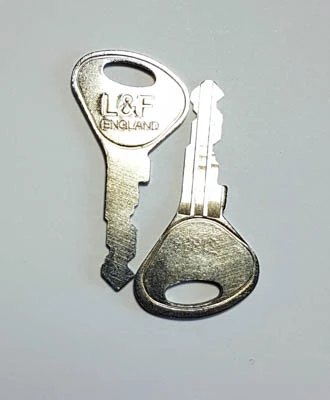
A locker master key system allows authorised staff to open multiple lockers using a single master key, while individual users retain their own unique keys. In schools, workplaces and leisure facilities, this system balances security with operational control.
If you are reviewing or upgrading locker locks, understanding how master key systems function is essential before specifying replacements.

What Is a Locker Master Key System?
In a mastered locker system, each locker has:
- An individual key (unique to that locker)
- Access via a master key (held by authorised personnel)
This configuration is common in:
- Secondary schools
- Colleges and universities
- Staff changing areas
- Corporate offices
- Leisure centres
Why Master Key Systems Matter
Without a master system, staff cannot access lockers if keys are lost or if safeguarding access is required. A master key system ensures:
- Controlled emergency access
- Reduced forced entry incidents
- Improved safeguarding procedures
- Lower lock replacement rates
How Mastered Cam Locks Work
Internally, mastered cam locks contain additional pin configurations that recognise both the individual key and the master key profile.
When ordering replacement locks, it is critical that mastering configuration matches the original system. Installing non-mastered locks into a mastered environment breaks central control.
Review compatible replacement locker locks carefully before ordering to ensure system integrity.
Security Risks of Poor Master Key Control
While master systems provide convenience, they also introduce risk if not managed properly.
- Lost master keys compromise multiple lockers
- Unrecorded duplication increases exposure
- Inadequate storage weakens safeguarding
Facilities managers should treat master keys as controlled security assets.
Best Practice for Master Key Control
- Store master keys in secure cabinets
- Maintain issue log records
- Limit duplication authority
- Audit annually
- Replace compromised systems immediately
Cost Considerations
Mastered locks typically cost slightly more than non-mastered versions. However, long-term savings often outweigh the initial premium.
- Reduced forced entry damage
- Lower emergency locksmith call-outs
- Better safeguarding compliance
When Should You Upgrade to a Master System?
If your facility experiences:
- Frequent lost keys
- Safeguarding access requirements
- High-value personal storage use
Upgrading to a master key configuration may reduce long-term disruption.
Lifecycle Impact
Across 300 lockers, even a small percentage of forced entry incidents compounds cost over five years.
Master key systems reduce destructive access events and preserve locker door integrity.
When reviewing locker lock systems, consider lifecycle control rather than unit price alone.
Common Mistakes When Reordering Mastered Locks
- Failing to confirm original key code series
- Ordering non-mastered replacements
- Mixing incompatible systems
- Ignoring cam length compatibility
Final Thoughts
Locker master key systems provide essential operational control in schools and workplaces. When specified correctly and managed securely, they reduce forced access, improve safeguarding and protect long-term budgets.
If you are planning replacement or expansion, review available locker lock configurations to maintain mastering consistency and system integrity.
Discover more from Blog Total Locker Service
Subscribe to get the latest posts sent to your email.