Locker Buying Guide (UK): How to Choose the Right Lockers for Your Facility
March 12, 2026
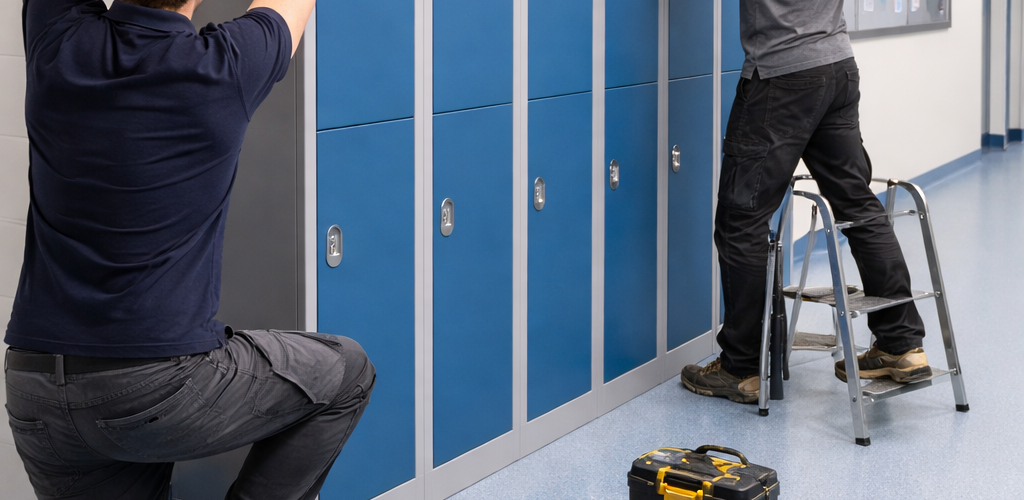
Locker buying guide: Choosing the right lockers is important for schools, workplaces, gyms and leisure facilities. Lockers provide secure storage for personal belongings, equipment and clothing while helping shared spaces remain organised.
This locker buying guide explains the key factors to consider before purchasing lockers in the UK. Understanding locker types, materials, sizes and lock systems will help you select a practical solution for your facility.
For a full overview of locker planning and design, see our complete lockers guide.
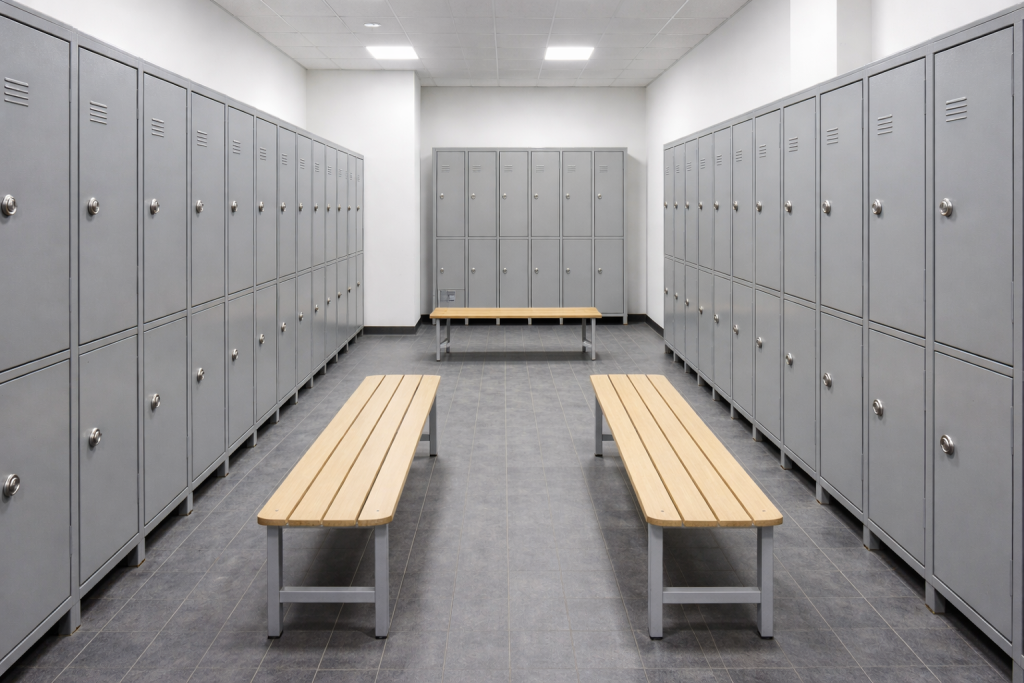
Step 1: Identify Where the Lockers Will Be Used
The environment where lockers will be installed plays a major role in determining the most suitable locker design.
- Schools: lockers are commonly used for books, bags and sports equipment.
- Gyms and leisure centres: lockers are used temporarily for clothing and personal items.
- Workplaces: lockers store uniforms, tools and personal belongings.
- Industrial facilities: lockers may store PPE or work equipment.
Different environments often require different locker materials, sizes and lock systems.
Step 2: Choose the Right Locker Type
Locker configuration determines how many compartments are available and how much space each user has.
| Locker Type | Best For | Typical Environment |
|---|---|---|
| Single Tier Lockers | Coats, uniforms and large items | Workplaces, staff rooms |
| Two Tier Lockers | Bags and clothing | Schools, offices |
| Four Tier Lockers | Personal items | Gyms, leisure facilities |
| Six Tier Lockers | Small personal belongings | Schools, shared spaces |
You can learn more about types of lockers and where each configuration works best.
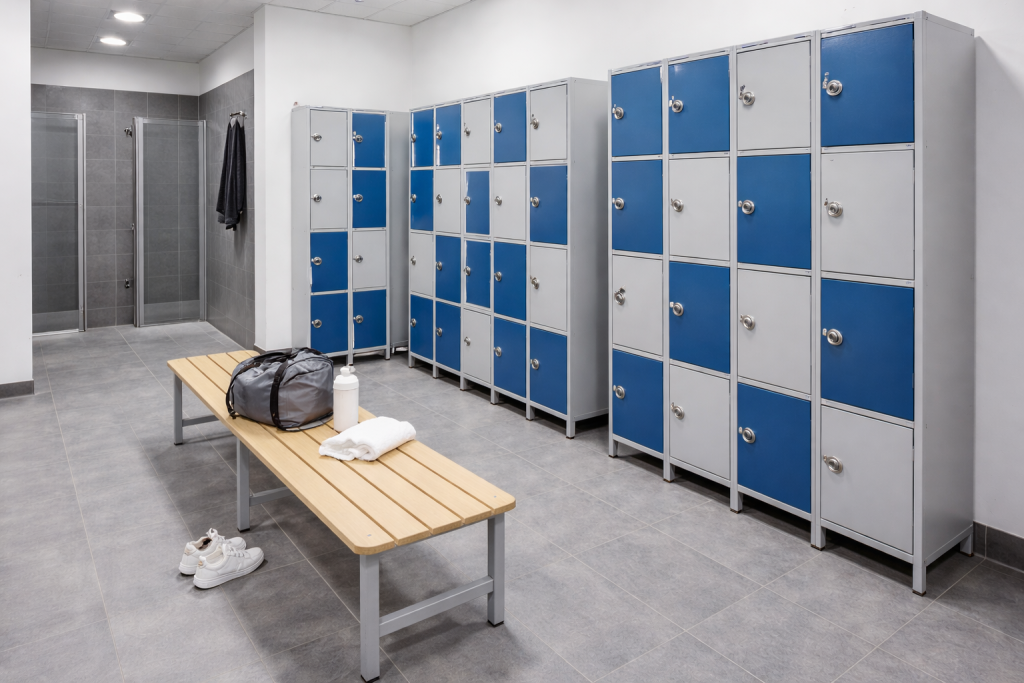
Step 3: Select the Best Locker Material
Locker materials affect durability, maintenance requirements and suitability for different environments.
- Steel lockers: strong and durable for schools and workplaces.
- Laminate lockers: attractive finish for offices and leisure facilities.
- Plastic lockers: moisture resistant and ideal for wet environments.
Read more in our guide to locker materials.
Step 4: Consider Locker Size and Capacity
Locker size should be chosen based on what users need to store and how many lockers are required. Planning locker capacity helps ensure users have adequate storage without overcrowding the room.
- How many users require lockers?
- Are lockers assigned or shared?
- What items will be stored?
- How much floor space is available?
Our articles on locker room layout and locker installation provide more guidance.
Step 5: Choose the Right Locker Locks
The lock system determines how users access lockers and how security is managed.
- Key locks are simple and reliable.
- Combination locks remove the need for keys.
- Coin return locks are useful for shared lockers.
- Digital locks support modern locker management systems.
Learn more about available locker locks.
Step 6: Plan Installation and Layout
Proper locker layout ensures lockers are easy to access while maintaining safe walkways and clear movement through the space.
Facilities should allow sufficient room for users to open locker doors comfortably and move safely around the locker area.
Read our guides to locker installation and locker room layout.
Buying Lockers in the UK
When purchasing lockers, it is important to choose durable products designed for long-term use. Lockers should be strong, easy to maintain and suitable for the environment where they will be installed.
Total Locker Service supplies a wide range of lockers suitable for schools, workplaces, gyms and commercial environments across the UK.
Explore our range of lockers to find the right storage solution for your facility.
For a complete overview of locker planning and design, visit our complete lockers guide.
Discover more from Blog Total Locker Service
Subscribe to get the latest posts sent to your email.