Insurance Rated Safe UK Guide: EN 14450 vs EN 1143 Explained (2026)
February 26, 2026
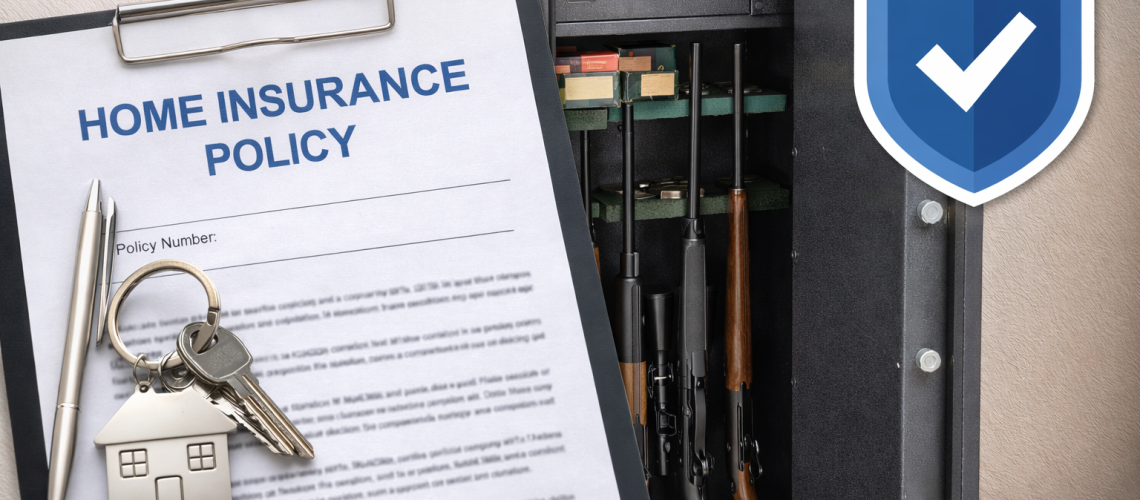
Choosing an insurance rated safe in the UK requires more than selecting a strong steel box. Insurance companies recognise specific European security standards that determine how much value can be stored so understanding the difference between EN 14450 and EN 1143 is critical for compliance, cover validation and risk management.
Therefore: This guide explains certified burglary resistance ratings, cash cover limits and how to select the correct safe for commercial and residential use in 2026.
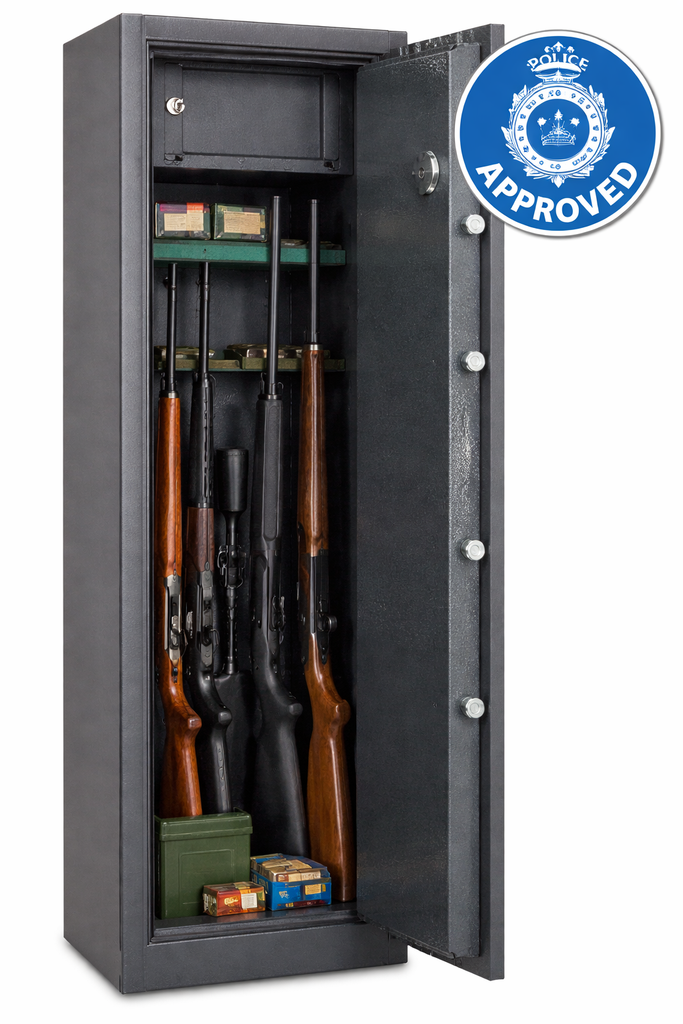
For wider regulatory context, see our UK Secure Storage Compliance Guide 2026.
What Is an Insurance Rated Safe?
What Is an Insurance Rated Safe?
An insurance rated safe is independently tested and certified to a recognised European security standard. The certification determines the maximum recommended cash and valuables rating accepted by insurers.
In the UK, the two most common standards are:
- EN 14450 (Security Level S1 and S2)
- EN 1143-1 (Grade 0 and above)
EN 14450 Explained
EN 14450: Entry-Level Insurance Rated Safes
EN 14450 covers security safes designed for lower to mid-level risk. It includes two classifications:
- S1
- S2
Typical indicative UK insurance ratings:
- S1: Approx. £2,000 cash rating
- S2: Approx. £4,000 cash rating
Actual cover limits vary by insurer and alarm integration.
EN 1143-1 Explained
EN 1143-1: High Security Burglary Resistance
EN 1143-1 is a higher security standard tested against professional attack methods. It provides graded burglary resistance.
- Grade 0
- Grade 1
- Grade 2
- Grade 3 and above
Indicative UK insurance ratings:
- Grade 0: ~£6,000 cash
- Grade 1: ~£10,000 cash
- Grade 2: ~£17,500 cash
- Grade 3: ~£35,000 cash

EN 14450 vs EN 1143: Key Differences
EN 14450 vs EN 1143: What Is the Difference?
- EN 14450 = Light to moderate risk
- EN 1143 = High security professional attack resistance
- EN 1143 safes are significantly heavier
- EN 1143 includes higher cash cover levels
- Construction thickness and composite barriers differ substantially
Cash Rating vs Valuables Rating
Cash Rating vs Valuables Rating
In the UK, valuables are typically rated at ten times the cash rating. For example, a Grade 1 safe with a £10,000 cash rating may allow £100,000 valuables cover. Always confirm with your insurer.
Installation Requirements
Installation Requirements for Insurance Validation
- Secure bolting to solid floor
- Correct anchor specification
- Professional installation recommended
- Alarm integration for higher values
When Is an Insurance Rated Safe Required?
When Do You Need an Insurance Rated Safe?
- Retail premises holding cash
- Jewellery storage
- High-value home storage
- Commercial offices
- Controlled documents
Choosing the Right Insurance Rated Safe UK
How to Choose the Right Insurance Rated Safe UK
- Confirm insurer requirements first
- Assess maximum value stored
- Consider future growth
- Check internal dimensions
- Evaluate weight and floor load limits
Explore our certified Insurance Rated Safes for commercial and residential applications.
Frequently Asked Questions
Frequently Asked Questions
Is an insurance rated safe legally required?
No, but insurers may mandate certified standards depending on risk exposure.
Does EN 1143 automatically guarantee cover?
No. Insurers set final cover limits based on risk profile and alarm systems.
Discover more from Blog Total Locker Service
Subscribe to get the latest posts sent to your email.