How Many Golf Lockers Does a Club Really Need?
March 17, 2026
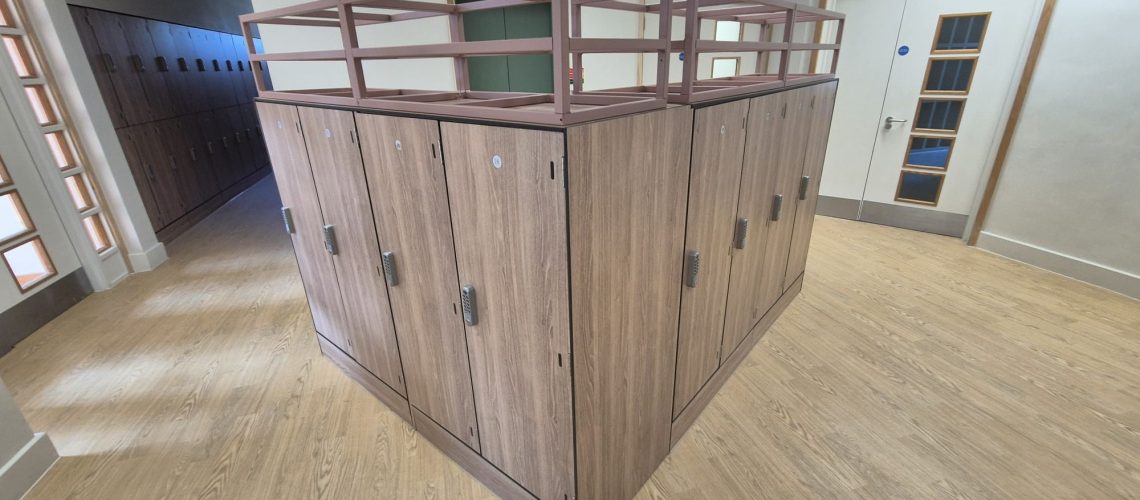
One of the most common questions when planning a golf club locker room is how many lockers the club actually needs. It is an important question because too few lockers can create frustration for members and visitors, while too many can make the room feel cramped, awkward and harder to use. The best answer is not based on guesswork. It comes from understanding how the club operates, who uses the space and what type of changing room experience the facility wants to provide.
For many golf clubs, locker planning is not just about fitting in the highest possible number of compartments. It is about balancing storage capacity with comfort, presentation and practical day-to-day use. A well-planned locker room should feel organised and spacious, not overcrowded.
This guide explains how to work out how many golf lockers a club really needs and what factors should shape that decision.
Why Locker Numbers Matter
Locker numbers affect more than storage capacity. They influence how the changing room feels, how easy it is to move around and how well the space supports the member experience. If a room is overfilled with lockers, it may lose comfort and practicality. If a club installs too few lockers, users may struggle to find storage when they need it most.
The right number should support the way the room is actually used. In a golf club, that usually means thinking about members, visitors, peak times and the overall standard expected in the clubhouse environment.
There Is No Single Number for Every Club
No fixed locker number suits every golf club. A private members’ club with regular long-term locker users will have different needs from a busy visitor venue or a mixed-use leisure site. Room size, membership structure and the type of storage expected all influence the answer.
That is why locker planning should begin with how the club operates rather than with a standard formula. The aim is to provide enough storage for real demand while keeping the room practical and in keeping with the club standard.
Start with Who Will Use the Lockers
The first step is to identify who will use the lockers most often. Some golf clubs mainly need lockers for regular members. Others also need storage for visitors, societies, corporate days or wider leisure use. Understanding the user mix helps prevent both over-provision and under-provision.
Ask simple questions such as:
- Are the lockers mainly for members?
- Do visitors also need regular access to storage?
- Will lockers be allocated or shared?
- Are there peak periods when demand rises sharply?
- Is the locker room part of a wider leisure facility?
The answers will tell you whether the room needs long-term member storage, more flexible day-use storage or a combination of both.
Allocated Lockers vs Day-Use Lockers
A club where members are allocated their own lockers may need a different capacity plan from a club where lockers are used on a shared or temporary basis. Allocated lockers often mean a more stable number of units is needed, especially if locker use forms part of the membership experience. Day-use lockers can sometimes serve more people with fewer compartments, provided turnover is managed well.
This distinction matters because it changes the relationship between membership numbers and locker numbers. A club with permanent locker allocation may need a high proportion of lockers relative to active users. A club with mainly short-term use may not.
Think About Peak Demand, Not Just Total Membership
It can be tempting to base locker numbers on total membership, but that does not always reflect real demand. Many members will not use the changing room at the same time. The more useful measure is peak demand. In other words, how many people are likely to want locker access during the busiest parts of the day or week?
This is especially important in clubs with varying levels of attendance, visiting golfers or event-based activity. Looking at peak usage gives a better guide than using headline membership numbers alone.
Consider the Type of Club and Facility
The type of golf club also influences locker demand. A traditional private members’ club may want a more generous locker provision, especially if the changing room is part of the club identity. A pay and play venue or mixed-use sports site may need a different balance, with more emphasis on flexible visitor use and efficient layout.
Clubs with wider leisure or gym facilities may also find that locker demand comes from several user groups rather than golfers alone. In those cases, it helps to look at the room as part of a broader changing area strategy rather than a golf-only calculation.
Room Size Still Sets the Limit
Even if demand suggests a high number of lockers, the room still needs to work properly. The available space, walkway width, bench positions and door opening clearance all affect how many lockers can realistically be installed. A locker room should not become difficult to use just to squeeze in extra compartments.
This is where many projects go wrong. They focus too much on the total locker count and not enough on how the room will actually feel in use. For golf clubs, comfort and presentation often matter as much as basic capacity.
Bigger Lockers Mean Fewer Units
The number of lockers also depends on the size and style of locker the club wants. Single-tier lockers with a more spacious layout will naturally reduce the total number that fits in the room, but they can also create a better member experience. Multi-tier lockers may increase capacity, though they can change the feel of the room and may be more suited to visitor or mixed-use settings.
If the club wants a more premium changing room with larger lockers, it may be better to accept a lower number of units rather than compromise the overall standard of the space.
Members Often Value Quality Over Maximum Quantity
In many golf clubs, especially member-focused clubs, users often value a changing room that feels comfortable, well planned and in keeping with the club environment. That means the best answer is not always the highest number of lockers. A slightly lower total with better layout, more spacious lockers and a stronger visual finish can deliver a better overall result.
Lockers with a steel carcase and compact grade laminate doors are often chosen for this reason. They help the room look smart while still providing practical, durable storage. The layout and locker count should support that overall experience.
Should You Plan for Visitors Too?
If the club regularly hosts visitors, societies or corporate groups, visitor demand should be factored into the locker plan. Some clubs prefer to separate member and visitor storage, while others design a flexible layout that can serve both. The right choice depends on how often visitors use the changing room and whether the site wants a distinct member area.
Ignoring visitor demand can lead to pressure on the locker room at busy times, especially in clubs with strong visitor trade or event activity.
A Sensible Planning Approach
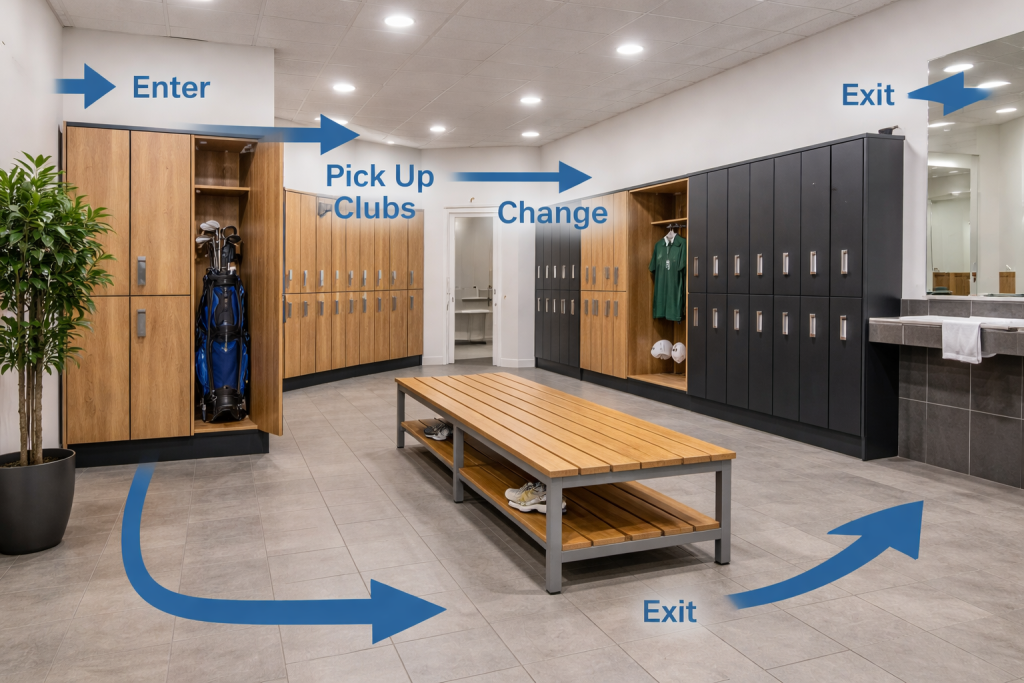
A sensible locker planning approach often looks like this:
- review who uses the room most often
- estimate realistic peak demand
- separate member and visitor needs if necessary
- decide whether lockers are allocated or shared
- choose the right locker size and configuration
- test how many units fit while keeping the room practical
This approach usually gives a better answer than simply asking how many lockers can be fitted into the available walls.
Do Not Ignore Benches, Access and Circulation

A locker room needs more than lockers. Benches, access routes and changing space all affect how many units the room should have. In many clubs, the quality of circulation through the room makes a major difference to how premium and usable the space feels. A room that is full of lockers but difficult to move through will rarely feel successful.
That is why locker count should always be tested against the wider layout, not treated as a separate decision.
Future-Proofing Matters
It is also worth thinking ahead. A club may not need the same number of lockers forever. Membership levels, visitor demand and refurbishment plans can all change over time. If possible, it helps to choose a layout that provides some flexibility, especially in clubs that are growing or adapting their facilities.
This does not mean overfilling the room just in case. It means planning with a realistic view of how the facility may develop.
Questions to Ask Before Deciding on Locker Numbers
Before signing off the layout, ask the following:
- How many people actually need lockers at peak times?
- Are the lockers for members, visitors or both?
- Will users have allocated lockers or shared access?
- Does the room still feel comfortable with the planned number?
- Is there enough space for benches and movement?
- Do the locker sizes match what users need to store?
- Does the final layout suit the club standard?
So, How Many Golf Lockers Does a Club Really Need?
The answer depends on the club, the room and the way the lockers will be used. There is no single number that suits every site. The right total is the one that provides enough storage for real demand while keeping the changing room comfortable, practical and in keeping with the standard of the facility.
For some clubs, that may mean a generous number of allocated member lockers. For others, it may mean a more flexible layout with fewer, better-planned units. The important thing is to base the decision on how the room is actually used, not just on maximum capacity.
Total Locker Service can help you plan the right number of golf lockers for your club, based on room size, user demand and the level of finish you want to achieve.
Frequently Asked Questions About Golf Locker Numbers
How many golf lockers should a club have?
It depends on membership use, visitor demand, room size and whether lockers are allocated or shared. The best number is based on realistic peak demand and a practical room layout.
Should locker numbers match total membership?
Not always. Peak demand is often a more useful guide than total membership because not all members use the changing room at the same time.
Are bigger lockers better for golf clubs?
In many member-focused clubs they can be, because they create a more spacious and premium feel. The trade-off is that fewer lockers may fit in the room.
Should golf clubs provide visitor lockers?
If the club regularly hosts visitors or societies, visitor locker demand should be considered. Some clubs separate visitor and member storage, while others use a flexible shared layout.
Is it better to fit in as many lockers as possible?
Usually not. A room that is too full can feel cramped and difficult to use. In many golf clubs, a better balance of storage, circulation and comfort delivers a stronger result.
Discover more from Blog Total Locker Service
Subscribe to get the latest posts sent to your email.