Gun Safe vs Gun Cabinet: What’s the Difference in the UK?
February 24, 2026
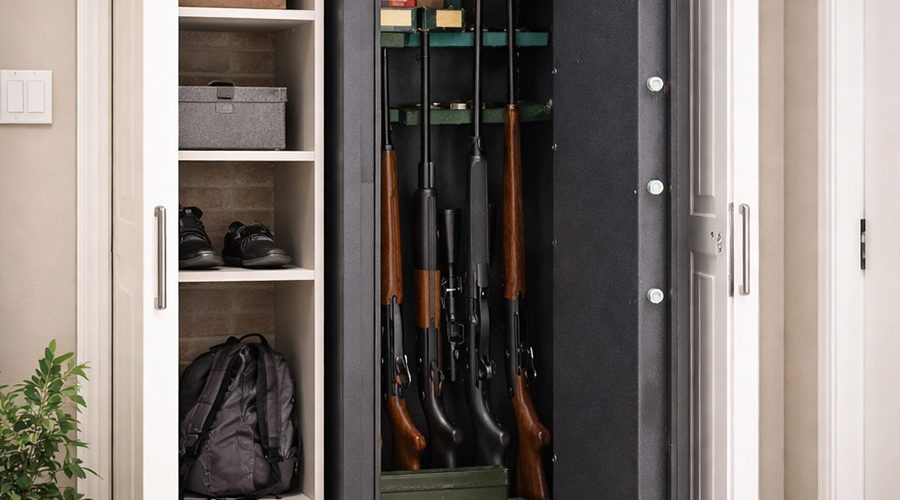
The terms “gun safe” and “gun cabinet” are often used interchangeably in the UK. However, they do not always mean the same thing. Understanding the difference helps ensure you choose compliant and appropriate firearm storage.
This guide explains the key distinctions between gun safes and gun cabinets, how UK licensing officers view them, and which option may suit your circumstances. If you are comparing compliant storage options, explore available gun safes here once you understand the differences.

What Is a Gun Cabinet?
In UK terminology, a gun cabinet is typically a steel storage unit designed specifically for firearms. It is intended to prevent unauthorised access and must be securely fixed to a structural surface.
- Constructed from steel
- Designed for rifle or shotgun storage
- Usually fitted with a mechanical lock
- Requires secure wall fixing
Most domestic firearm storage in the UK uses cabinet-style construction.
What Is a Gun Safe?
The term “gun safe” is broader. In some contexts, it refers to heavier, higher-specification storage units that may include enhanced locking systems or thicker steel construction.
- May include electronic or key locks
- Often heavier construction
- May include internal lockable compartments
- Designed for enhanced protection
However, in UK retail usage, “gun safe” and “gun cabinet” are often used synonymously.
Compliance Is Not About Terminology
UK firearms licensing officers assess storage suitability based on:
- Steel construction
- Secure fixing
- Capacity suitability
- Location discretion
The label on the product matters less than whether it meets practical compliance expectations.
Construction Differences
| Feature | Gun Cabinet | Gun Safe |
|---|---|---|
| Steel Thickness | Standard cabinet grade | Often thicker or reinforced |
| Weight | Moderate | Often heavier |
| Lock Type | Typically mechanical | Mechanical or electronic |
| Internal Compartments | Basic | May include lockable ammo box |
| Price Range | Lower to mid | Mid to higher |
When Is a Cabinet Sufficient?
For many domestic firearm owners, a standard steel cabinet that is properly fixed meets licensing expectations. The key factors are installation quality and suitability for declared firearms.
When Might a Higher-Spec Safe Be Preferable?
- Higher declared firearm value
- Additional security concerns
- Insurance requirements
- Future collection growth
Heavier construction and upgraded locking may provide added reassurance.
Insurance Considerations
Insurers typically focus on secure fixing and adequate construction rather than terminology alone. However, higher-value collections may attract enhanced storage expectations.
Common Misconceptions
- “Heavy means no fixing required” – incorrect
- “All cabinets are identical” – construction varies
- “Electronic locks are mandatory” – not necessarily
- “Terminology determines compliance” – installation matters more
Choosing the Right Option
When selecting between a gun cabinet and a gun safe, consider:
- Your declared firearms
- Installation location
- Insurance expectations
- Long-term ownership plans
Review compliant gun safe options to ensure suitability before purchase.
Final Thoughts
In the UK, the difference between a gun safe and a gun cabinet is often more about construction level than legal classification. Compliance depends on secure fixing, suitable capacity and responsible ownership.
Terminology matters less than proper installation and risk management.
Discover more from Blog Total Locker Service
Subscribe to get the latest posts sent to your email.