Golf Lockers for Members vs Visitors: What Should Be Different?
March 17, 2026
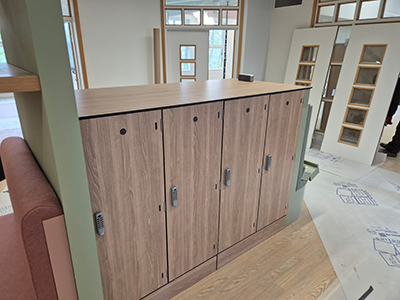
Not every golf locker room needs to serve the same type of user in the same way. In many clubs, members and visitors use the changing room differently, expect different things from the space and may need different types of storage. That is why it often makes sense to think separately about golf lockers for members and golf lockers for visitors rather than treating the whole room as one standard layout.
For some clubs, members want a more settled, premium and consistent locker experience, while visitors need simple short-term storage that is easy to access and easy to manage. Other clubs may need a mixed arrangement that works for both without feeling disjointed. The right answer depends on how the club operates, the balance between member and visitor use and the standard the facility wants to maintain.
This guide explains what should be different between member and visitor golf lockers and how to plan a locker room that suits both types of user.
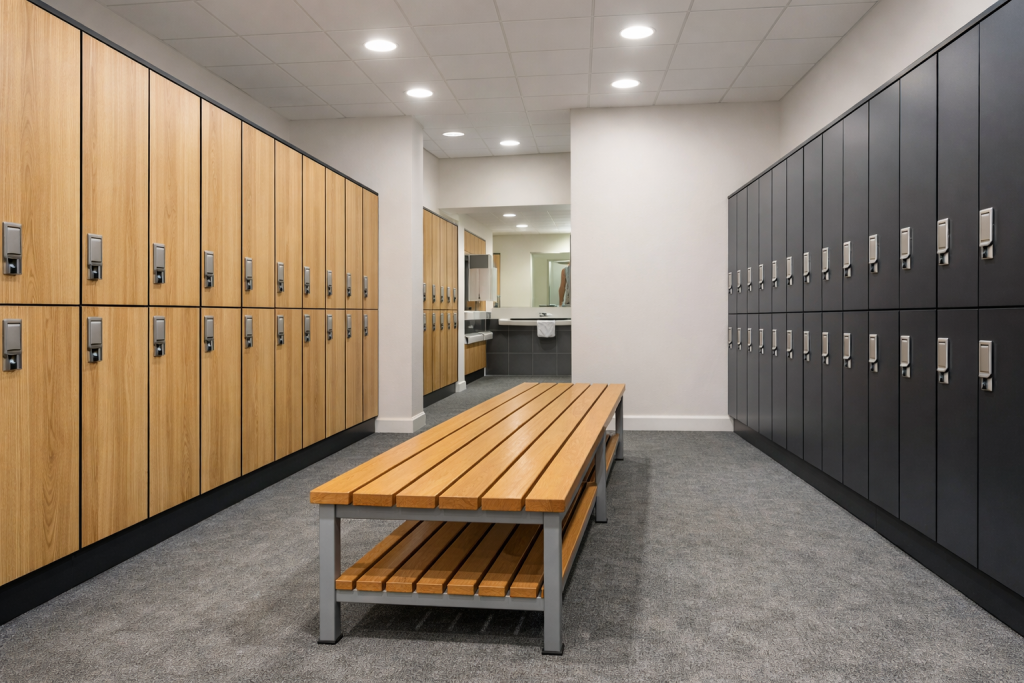
Why Members and Visitors Often Need Different Locker Solutions
Members and visitors do not always use the club in the same way. Members may visit regularly, spend more time in the changing room and expect a stronger sense of ownership or consistency. Visitors may use the space only occasionally and usually need straightforward short-term storage while they are on site.
Because of that, the best locker arrangement for members is not always the best one for visitors. A changing room that works well for regular users may not be ideal for guest turnover, while a purely practical visitor layout may not feel right for a club that wants to offer members a more premium experience.
Start with How the Club Actually Operates
Before deciding whether member and visitor lockers should be different, it helps to look closely at how the club works day to day. Some golf clubs are highly member-focused, with a strong clubhouse culture and regular locker use. Others depend more heavily on visitors, society days or mixed-use leisure activity. Some need to support both equally.
Useful questions include:
- Do members use the changing room regularly?
- How often do visitors need lockers?
- Are visitor peaks linked to events or society days?
- Does the club want separate member and visitor areas?
- Is the locker room part of a premium clubhouse experience?
The answers will shape whether the room needs two distinct approaches or a flexible blended layout.
Member Golf Lockers Often Need a More Permanent Feel
In many clubs, member lockers are more than temporary storage. They may form part of the routine of belonging to the club. Members often expect a locker that feels dependable, well positioned and in keeping with the standard of the changing room. In some clubs, lockers may be allocated to individual members for long-term use. In others, members may not have formal allocation, but they still expect a more refined environment.
Because of this, member golf lockers often benefit from a more premium layout, a more spacious feel and a finish that supports the wider clubhouse environment. Single-tier lockers, larger compartments and higher-quality visible finishes can all make sense in member-focused areas.
Visitor Golf Lockers Often Need to Be Simpler and More Flexible
Visitor lockers usually have a different role. They often need to provide short-term storage that is easy to understand and easy to manage. Visitors do not know the room as well as members, so convenience matters. The layout should be clear, the lockers should be simple to use and the lock system should not create confusion.
Visitor storage may also need a higher turnover, especially in clubs that welcome societies, green fee visitors or corporate groups. That often means lockers should be chosen and arranged with practical day-use in mind rather than a long-term ownership feel.
Should Member and Visitor Lockers Be in Separate Areas?
In some clubs, separating member and visitor locker areas is a good idea. It can help preserve the feel of a member space while allowing the visitor area to be planned around short-term convenience. Separate areas can also help with locker management, traffic flow and room organisation during busy periods.
That said, not every club has the space or the need for full separation. In smaller facilities, a blended layout may work perfectly well, provided the locker plan still reflects the different types of user. The important point is not that separation is always required. It is that the room should be planned intentionally rather than assuming one layout automatically suits everyone.
Locker Size May Need to Be Different
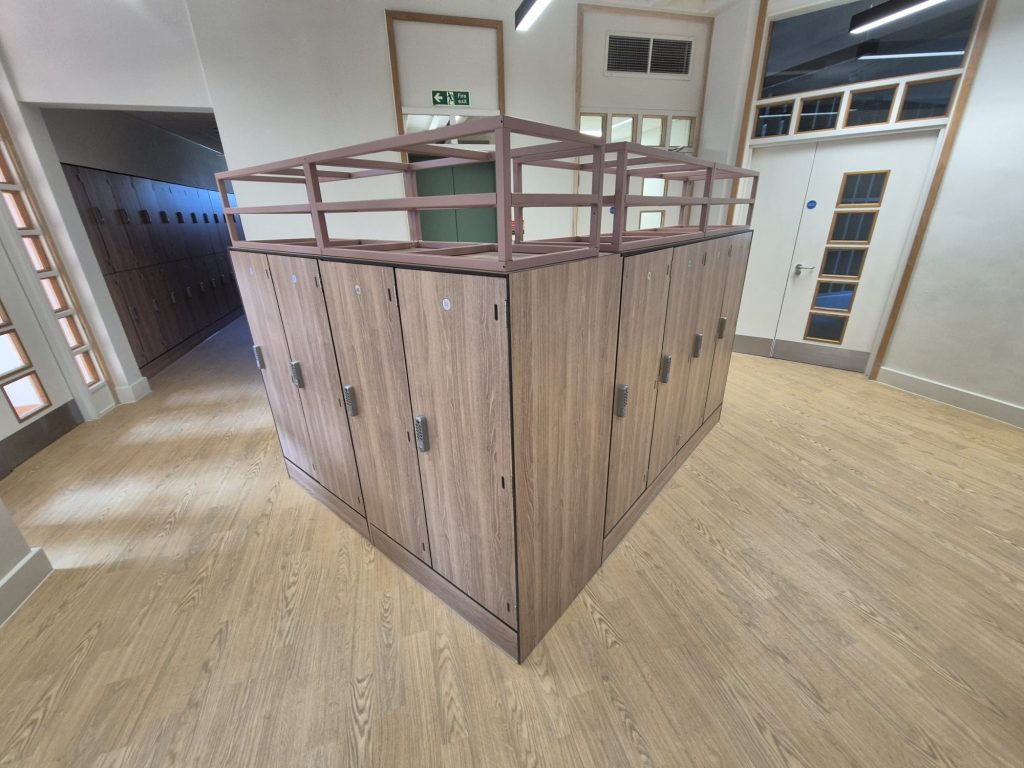
Member lockers are often more likely to justify larger compartments, especially where regular users want a better sense of personal space and convenience. Visitors may be more likely to need straightforward storage for clothing, shoes and personal items during a shorter stay. That does not mean visitor lockers should be too small to be practical. It means locker size should match the type of use.
If the club wants to create a clear distinction, members may benefit from more generous single-tier lockers, while visitors may use more compact or multi-tier options in a separate area. The best answer depends on room size, demand and the level of finish the club wants to provide.
Lock Options May Also Be Different
The right lock for members is not always the right lock for visitors. Member lockers may suit key locks, mechanical combination locks or even digital locks where a more premium and settled solution is preferred. Visitors often need a simpler short-term option that is easy to understand with minimal explanation.
For visitor lockers, hasp locks for padlocks, mechanical combinations or other straightforward day-use systems may be more suitable depending on how the club manages the space. If the changing room is mixed-use, the lock strategy should still reflect the different needs of the two user groups wherever possible.
Appearance Usually Matters More in Member Areas
In golf clubs, appearance is rarely a minor issue. The locker room contributes to the overall standard of the clubhouse, and this often matters most in member areas. A member locker area usually benefits from a cleaner, more refined and more premium feel. Lockers with a steel carcase and compact grade laminate doors are often a strong choice because they combine durability with a finish that looks suited to a club environment.
Visitor areas still need to look good, but they may be designed with slightly more emphasis on practicality and throughput. The level of finish should still be appropriate to the club standard, but the planning priorities may not be exactly the same.
Layout Planning Is Not the Same for Members and Visitors
Member locker areas often benefit from more spacious circulation, better bench placement and a layout that feels less compressed. That supports the sense that the room is part of the wider member experience rather than simply a place to store belongings. Visitors may be more focused on ease of use, clear access and simple navigation through the room.
This means the same room may need different layout logic in different zones. A member section may allow more generous spacing and a calmer feel. A visitor section may focus more on clarity, access and ease of turnover. Both can still be well designed, but the planning priorities are not identical.
Benches and Changing Space May Need Different Priorities
Member areas often benefit from benches and changing space that encourage comfort and longer use. Visitors may still need benches, but the arrangement may focus more on straightforward function rather than a more settled changing-room experience. If the club has enough room, bench placement can reinforce the distinction between a member-focused zone and a visitor-focused one.
Even in a shared room, thinking about how different users occupy the space can improve the layout. It helps avoid situations where one part of the room feels too premium and another feels like an afterthought.
How Premium Should Visitor Lockers Be?
That depends on the club positioning. A premium private club that hosts valued guests may want visitor lockers that still feel very high quality, even if they are designed for shorter-term use. A more mixed-use or cost-conscious facility may take a more practical approach. The key point is that visitor lockers should still match the overall standard of the club. They may be different from member lockers, but they should not feel mismatched or obviously second rate unless the facility itself is built around a simpler model.
Difference does not have to mean downgrade. It can simply mean choosing a specification that suits visitor use more effectively.
Should Members and Visitors Use the Same Lockers?
In some clubs, yes. A shared locker pool can work well where demand patterns are manageable and the club wants maximum flexibility. In others, shared use may create tension between the premium expectations of members and the practical needs of visitors. This is especially true where members expect a consistent changing room experience or where visitor traffic is heavy.
If the club chooses shared locker use, the layout and locker specification still need to support both groups properly. That may mean choosing a balanced design that feels premium enough for members while remaining easy to use for visitors.
Operational Management Matters Too
The difference between member and visitor lockers is not just about the furniture. It is also about how the space is managed. Member lockers may involve longer-term allocation, key control or membership-linked access. Visitor lockers may need easier turnover, clearer instructions and simpler staff support.
That operational difference should shape the locker choice. A locker system that works perfectly for members may create unnecessary friction for visitors, and vice versa. Good planning takes both the physical room and the day-to-day management into account.
A Blended Approach Can Often Work Best
Many clubs do not need a completely separate member locker room and visitor locker room. Instead, they benefit from a blended approach. This could mean a more premium main locker run for members, with a smaller zone of simpler short-term lockers for visitors. It could also mean one room with a unified visual style but different locker sizes or lock types in different sections.
The advantage of a blended approach is that it keeps the room coherent while still recognising that not every user has the same needs. It is often the most practical answer in clubs where space is limited but standards still matter.
Questions to Ask Before Planning Member and Visitor Lockers
Before finalising the locker plan, ask the following:
- How often do members use the locker room compared with visitors?
- Do members expect allocated or long-term lockers?
- Does the club host a lot of visitor traffic, societies or events?
- Would separate areas improve the room?
- Should locker sizes be different for the two user groups?
- Do lock options need to be different?
- Can the room support both comfort and turnover without compromise?
What Should Be Different Between Member and Visitor Golf Lockers?
In many clubs, the main differences should be in locker size, lock type, layout priority and overall feel. Member lockers often need to support regular use, stronger presentation and a more settled sense of ownership. Visitor lockers often need to be simpler, clearer and easier to manage for short-term use. The exact differences depend on the club, but the principle is straightforward: the locker solution should reflect how each group uses the space.
That does not mean the room has to feel divided or inconsistent. The best schemes usually maintain a coherent overall look while making sensible distinctions where they improve the user experience.
Total Locker Service can help you plan golf lockers for members and visitors so the changing room works properly for both, while still matching the standard of your club.
Frequently Asked Questions About Member and Visitor Golf Lockers
Should golf clubs have separate lockers for members and visitors?
In some clubs, yes. Separate areas can improve organisation and help the room suit both regular members and short-term visitors. In smaller clubs, a blended layout may still work well.
Do members need larger golf lockers than visitors?
Often they do, especially where members use the lockers regularly or have a more permanent relationship with the club. Visitor lockers may be more compact if they are mainly for short-term storage.
Should member and visitor lockers use different locks?
They can. Member lockers may suit key, mechanical combination or digital locks, while visitor lockers often benefit from simpler short-term lock options.
Can member and visitor lockers look the same?
Yes. Many clubs keep a consistent visual style across the room while changing the size, layout or lock specification to suit different users.
What is the best way to plan a mixed-use golf locker room?
The best approach is to start with how the room is used, then plan locker size, layout and lock options around the needs of both members and visitors rather than assuming one arrangement will suit all users equally.
Discover more from Blog Total Locker Service
Subscribe to get the latest posts sent to your email.