How to Plan a Golf Club Changing Room Locker Layout
March 17, 2026
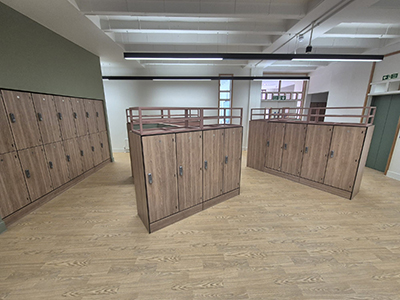
Planning a golf club changing room locker layout is about more than fitting as many lockers as possible into the available space. A good layout needs to balance storage capacity, user comfort, access, appearance and day-to-day practicality. When the room works well, members and visitors notice it straight away. When it does not, the problems become obvious very quickly.
In a golf club, the changing room is part of the wider clubhouse experience. It needs to feel organised, secure and in keeping with the standard of the facility. That means the locker layout should support how people actually move through the room, how they store their belongings and how the space is cleaned and maintained over time.
This guide explains how to plan a golf club changing room locker layout that is practical, efficient and suited to your facility.
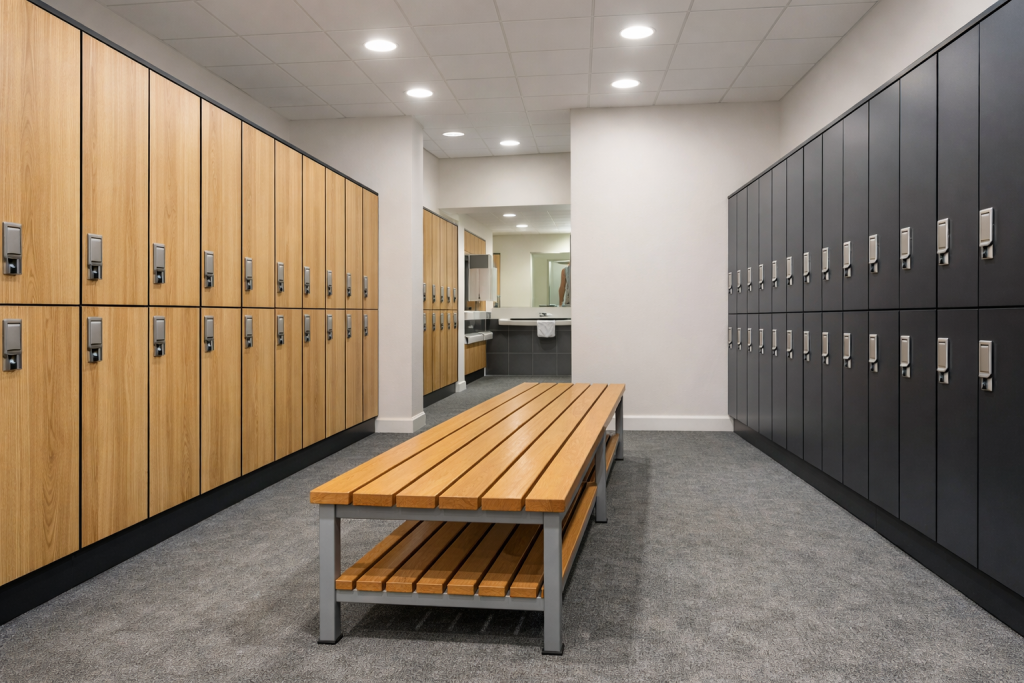
Why Locker Layout Matters in a Golf Club Changing Room
A changing room layout affects far more than storage numbers. It influences how easy the room is to use, how spacious it feels and how well it supports the member experience. Even good lockers can feel awkward if the room layout is poor. Narrow walkways, badly positioned doors and cramped changing areas can all reduce the overall quality of the space.
In golf clubs, presentation also matters. A well-planned locker layout can help create a clean, professional environment that feels comfortable and organised. This is especially important in member clubs, refurbished clubhouses and leisure settings where the standard of finish forms part of the overall impression of the site.
Start with How the Room Will Be Used
Before choosing locker sizes or configurations, it helps to step back and think about how the room is actually used. A member golf club may have regular users who expect consistent access and more generous space. A visitor-focused site may need simpler, shorter-term storage with a stronger focus on turnover. A mixed-use golf and leisure facility may need a layout that works for both.
Ask practical questions at the start:
- Who uses the changing room most often?
- Are the lockers mainly for members, visitors or both?
- Do users need day-use storage or longer-term allocated lockers?
- How busy is the room at peak times?
- What else needs to fit in the space apart from lockers?
The answers to these questions shape the layout far more effectively than starting with locker numbers alone.
Measure the Space Properly
Accurate room measurements are essential. That includes wall lengths, ceiling heights, door positions, window locations, columns, radiators and any other fixed features that affect the usable area. It is also important to note where people enter and leave the room, as this affects the natural flow through the space.
Do not just measure the empty floor area. Think about how much of that space can realistically be used once walkways, door opening space and changing areas are taken into account. A layout that looks efficient on paper can feel cramped in practice if these details are missed.
Think About User Flow
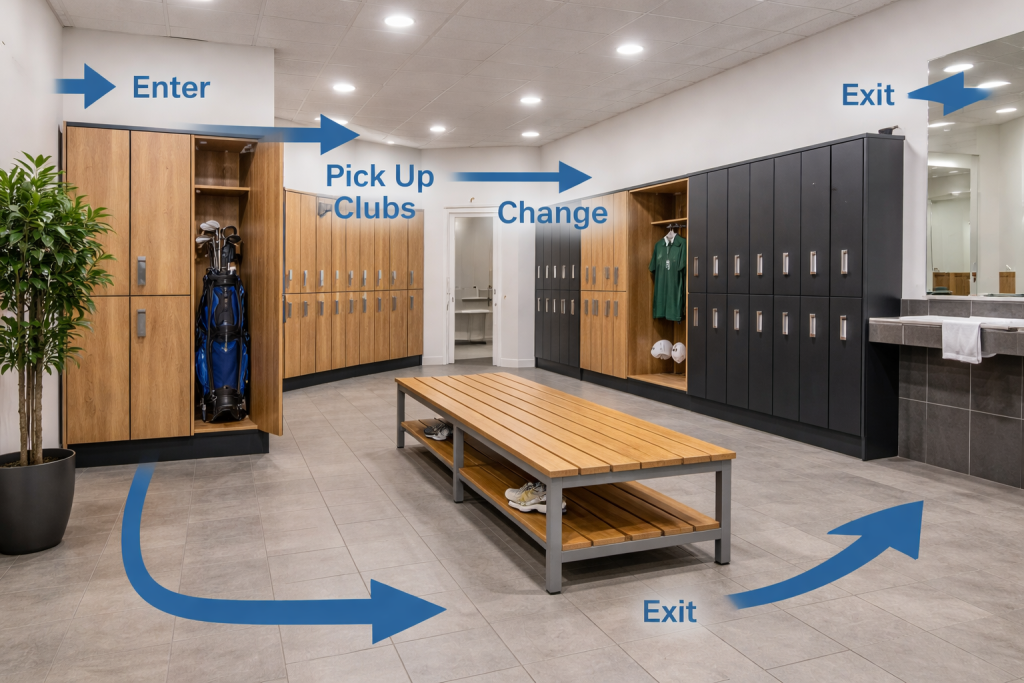
User flow is one of the most important parts of changing room planning. People need to move comfortably through the room, reach their lockers easily and use the space without blocking others. A layout should feel natural rather than forced.
In most golf club changing rooms, users will enter, move towards a bench or locker area, access their belongings, change and leave. The layout should support that sequence. Lockers placed in the wrong position can create pinch points, especially when several people are opening doors or using the same section of the room at once.
Allow Enough Walkway Space
Walkways should be wide enough for users to move comfortably, even when locker doors are open and benches are in use. This is one of the most common areas where layouts go wrong. Trying to fit too many lockers into a room can reduce the practicality of the whole space.
A golf club changing room should not feel like a storage corridor. It should feel like a usable member space. That usually means allowing enough room for movement, changing and access rather than focusing only on maximum locker capacity.
Choose Locker Sizes That Match Real Use
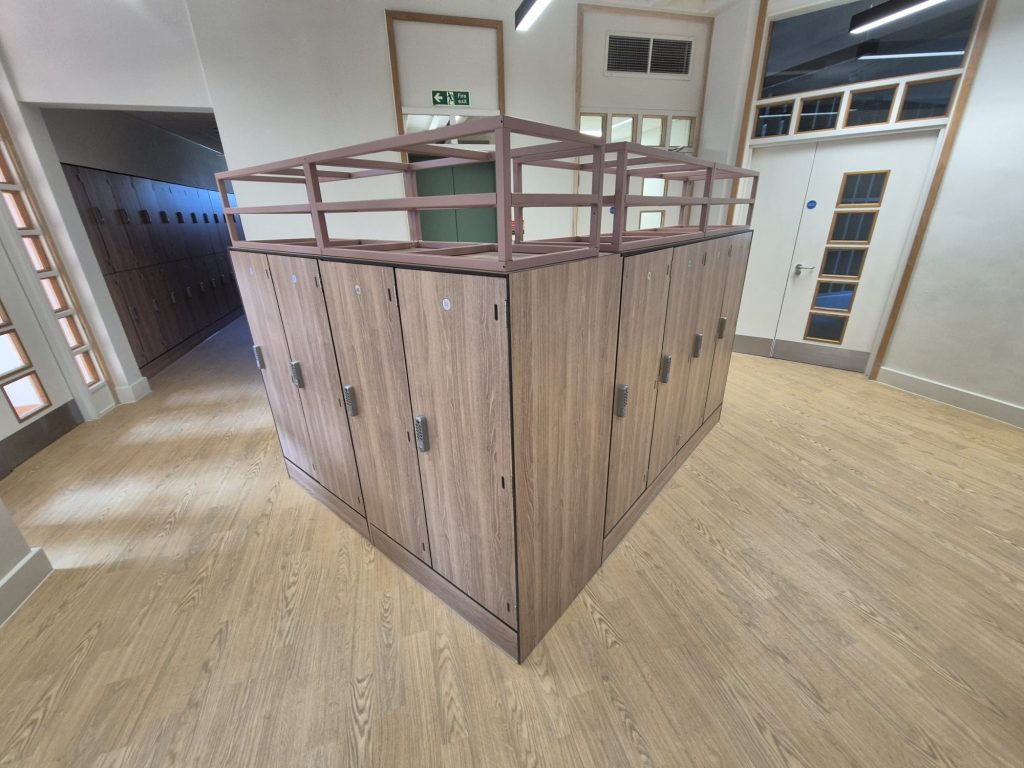
The right locker size depends on what users need to store. Golf club users may want room for clothing, shoes, accessories and personal items. In some settings, a more spacious locker supports a better user experience, especially if members use the same locker regularly. In other environments, smaller or more numerous compartments may be more appropriate.
The key is to match locker size to actual use. If the room serves regular members in a premium setting, fewer larger lockers may be the better option. If the site needs flexible changing room storage for a wider range of users, a different layout may work better.
Single-Tier or Multi-Tier Layout?
Single-tier lockers often suit golf club environments because they give a more spacious feel and can support a more premium changing room layout. They are commonly chosen where members use the lockers regularly and the room standard is an important part of the overall clubhouse experience.
Multi-tier lockers can increase storage capacity within the same footprint. They may be more suitable in visitor areas, mixed-use facilities or rooms where capacity matters more than a premium feel. The best choice depends on how the room is used and what kind of environment the club wants to create.
Position Benches Carefully
Benches are a key part of many golf club changing rooms, but they need to be placed carefully. A bench can improve comfort and usability, yet it also affects circulation space. Poor bench placement can make the room feel blocked, especially if users are seated directly in front of lockers or near narrow access points.
Ideally, benches should support the way people change without interfering with locker access. In many layouts, central benching can work well if there is enough space around it. In smaller rooms, perimeter planning may be more effective.
Consider Door Opening Space
Locker doors need room to open properly. This seems obvious, but it is often overlooked when layouts are planned too tightly. If doors clash with benches, walls, columns or circulation routes, the room quickly becomes awkward to use.
Door opening clearance matters even more when multiple lockers are being used at the same time. A practical layout should allow users to open lockers and access belongings without blocking the whole room.
Appearance Still Matters
Golf clubs often want changing rooms that feel smart and professional, not just functional. The locker layout contributes to that. A clean run of well-positioned lockers can improve the appearance of the room, while an overfilled or uneven layout can make the space feel cluttered.
Lockers with compact grade laminate doors and a steel carcase can work particularly well in golf club settings because they combine durability with a more refined finish. Layout planning should take that visual standard into account so the finished room feels balanced and well considered.
Think About Cleaning and Maintenance
A good locker room layout should be easy to clean and maintain. If lockers are pushed too tightly into awkward corners or if access behind or around fittings is poor, the room can become harder to manage over time. This affects both appearance and hygiene.
When planning the layout, think about how cleaners and maintenance staff will move through the space. Practical access matters just as much as visual neatness.
Plan for Peak-Time Use
A layout that works well for one person may not work well when the room is busy. Think about peak periods when several members or visitors may be using the changing room at the same time. Will people be able to move around easily? Can multiple lockers be opened in the same area? Is there enough room around benches and changing points?
Planning for busy periods helps avoid layouts that feel acceptable in theory but frustrating in daily use.
Do Not Design for Maximum Locker Count Alone
One of the biggest mistakes in locker room planning is chasing the highest possible locker count without considering how usable the room will be. More lockers do not automatically create a better changing room. In many cases, reducing the number slightly can make the space feel much more comfortable, premium and practical.
For golf clubs, that balance often matters more than absolute capacity. A well-designed room with the right number of lockers can create a far better impression than a cramped room that tries to do too much.
Questions to Ask Before Finalising the Layout
Before signing off the layout, ask the following:
- Does the layout match how the room will actually be used?
- Is there enough space for movement at busy times?
- Can locker doors open without causing obstruction?
- Are bench positions helping or blocking the room?
- Does the locker size suit the intended users?
- Is the room easy to clean and maintain?
- Does the final layout feel premium enough for the club standard?
Creating the Right Golf Club Changing Room Locker Layout
The best golf club changing room locker layout is one that balances storage, comfort, access and appearance. It should support the way the room is used, make life easier for members and visitors, and help the changing room feel like a well-planned part of the wider clubhouse.
Whether you need a member locker room, a visitor changing area or a mixed-use facility, the layout should be based on practical daily use rather than simple locker count. Getting the design right at the planning stage can improve both the look and long-term performance of the space.
Total Locker Service can help you plan a golf club changing room locker layout that suits your room, users and overall facility standard.
Frequently Asked Questions About Golf Club Changing Room Locker Layouts
What is the best locker layout for a golf club changing room?
The best layout depends on the room size, user type and overall standard of the club. In many cases, a layout with good circulation space, practical locker access and carefully positioned benches works best.
Should golf clubs choose single-tier or multi-tier lockers?
Single-tier lockers often suit golf clubs where a more premium feel is important, while multi-tier lockers can be useful where the room needs higher storage capacity.
How much space should be left between lockers and benches?
The exact amount depends on the room and the locker dimensions, but there should always be enough space for people to move comfortably and open locker doors without causing obstruction.
Why is layout planning important for locker rooms?
Layout planning helps ensure the room is practical, comfortable and easy to use. It affects storage, circulation, appearance and long-term maintenance.
Do golf club locker rooms need benches?
Many do, because benches improve comfort and usability. The important part is placing them carefully so they support the room without reducing access or creating congestion.
Discover more from Blog Total Locker Service
Subscribe to get the latest posts sent to your email.