Engraved Locker Number Plates: Best Shapes, Fixings and Numbering Formats
April 8, 2026
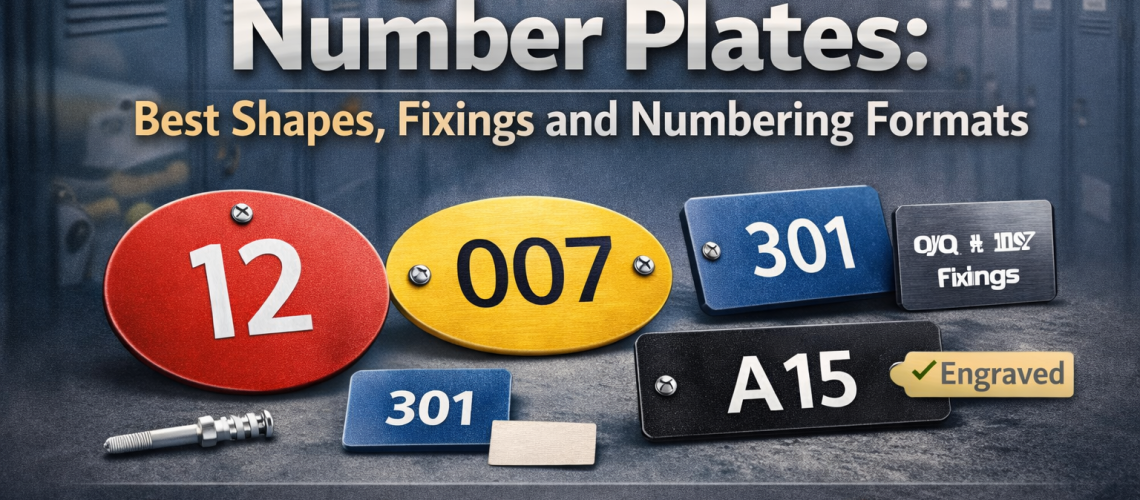
Locker number plates are a small detail, but they have a big effect on how well a locker system works. Clear numbering helps people find the right locker quickly. It also makes allocation easier for staff and reduces confusion in busy spaces such as schools, leisure centres, workplaces and changing rooms.
Problems appear quickly when number plates are poorly chosen. Numbers can become hard to read. Plates may peel away or crack. In some cases, replacements no longer match the original style, leaving the locker bank looking inconsistent. Over time, that can make even a good installation feel poorly managed.
Engraved locker number plates offer a more durable and professional solution. They provide long-term clarity and can be matched to existing systems when replacements are needed. This guide explains the best shapes, fixing methods and numbering formats, along with how to choose the right option for your site.
For broader engraving options, see our engraved products range and our locker accessories page.
Why Locker Number Plates Matter
Locker numbering supports the practical running of a space. Users need to identify their locker quickly, especially in larger installations with multiple banks. Staff rely on clear numbering for allocation, maintenance and reporting issues.
- faster locker allocation
- easier fault reporting
- improved user experience
- cleaner visual organisation
- simpler maintenance and reordering
As installations grow, numbering becomes more important. A small office may only need simple discs. A large school or leisure centre often benefits from a structured system with zoning or colour coding.
Why Choose Engraved Locker Number Plates?
Printed labels can wear out quickly in busy environments. Surfaces may scuff, edges can lift and numbers may fade. Once readability is lost, the plate often needs replacing.
Engraved plates provide a longer-lasting solution. The numbering is cut into the material, which improves durability and keeps the information clear over time.
- better long-term durability
- clear numbering that lasts
- a more professional appearance
- consistent matching for reorders
- a wide choice of colours and shapes
For more on materials, read What Makes Engraved Laminate Products Special?.
Best Shapes for Locker Number Plates
Round Number Plates
Round plates are one of the most common options. They provide a clean, simple look and are easy to read. This makes them suitable for schools, gyms, workplaces and leisure environments.
Oval Number Plates
Oval plates offer a softer visual style while still providing clear numbering. They are often chosen for more design-conscious installations.
Rectangular Number Plates
Rectangular plates provide more space for numbers or alphanumeric formats. They are useful when visibility from a distance is important or where additional information is needed.
Square Number Plates
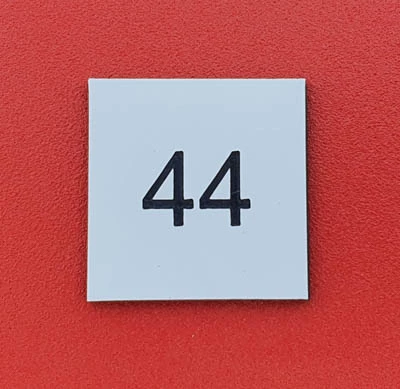
Square plates offer a balanced and practical design. They can work well when matching existing locker systems or achieving a uniform layout.
Bespoke Shapes
Custom shapes are useful when working with specific locker designs or branding requirements. They also help when matching an existing system.
See Custom Laminate Engraving for Locker Systems for more detail.
Choosing the Right Fixing Method
Self-Adhesive Fixing
Adhesive plates are quick to install and provide a clean finish. They work best on smooth surfaces and in environments where heavy impact is unlikely.
Screw Fixing
Screw fixing offers a more secure attachment. It is often chosen for high-use environments where plates may be knocked or tampered with.
Holder or Insert Systems
Some lockers include built-in holders. Plates must be sized correctly to fit these systems. Accuracy is essential when ordering replacements.
Explore compatible options on our locker accessories page.
Best Numbering Formats
Sequential Numbering
Simple numbering such as 1–100 is easy to use and works for most installations.
Numbering with Leading Zeros
Formats like 001–100 create a consistent look and are useful in larger systems.
Alphanumeric Numbering
Combining letters and numbers allows zoning, such as A1–A50 or B1–B50. This helps organise larger locker areas.
Colour-Zoned Numbering
Colour coding can separate locker groups and improve navigation. It is commonly used in schools and leisure centres.
Material Choice
Engraved Laminate
Laminate is one of the most popular materials. It offers durability, good contrast and a wide range of colours.
See Laminate Locker Number Plates and Key Fobs for more detail.
Plastic Materials
Durable plastics are lightweight and versatile. They are suitable for many standard applications.
Metal Plates
Metal plates provide a premium or heavy-duty finish, although they are less common for standard locker banks.
How to Choose the Right Option
- consider the locker type and surface
- assess how busy the environment is
- decide between simple or zoned numbering
- balance appearance with durability
- plan for future replacements
Common Mistakes to Avoid
- numbers that are too small to read
- poor contrast between plate and text
- incorrect fixing method
- mismatched replacement plates
- unclear numbering systems
Where These Are Used
Engraved locker number plates are widely used in schools, gyms, workplaces, hospitals and leisure facilities. In each case, they support organisation, identification and day-to-day usability.
Conclusion
Engraved locker number plates play a key role in keeping locker systems organised and easy to use. The right shape improves usability, the correct fixing method improves durability and a clear numbering format makes the entire layout easier to manage.
For most UK installations, engraved laminate plates provide the best balance of durability, appearance and flexibility. Bespoke options are also available where a specific format or design is required.
Explore our locker accessories or view our engraved products range to find the right option for your project.
“`
Discover more from Blog Total Locker Service
Subscribe to get the latest posts sent to your email.