Blog Total Locker Service

Blog storage solutions

Browsing:

Category: lockers

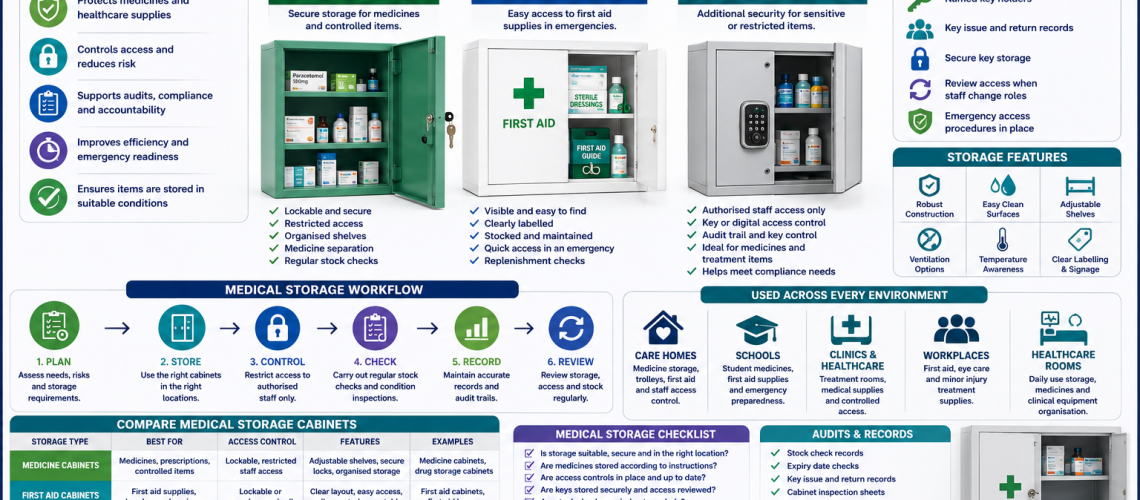
Charging Lockers vs Standard Lockers: What’s the Difference?

Comparison of charging lockers and standard lockers showing secure storage and integrated charging differences in a UK workplace setting

Charging lockers and standard lockers may look similar at first glance, but they are designed for different jobs. A standard locker is built for secure storage of everyday items such as bags, coats, PPE, books, tools or personal belongings. A charging locker is built to store equipment securely while also allowing that equipment to charge inside the locker. That difference changes how the locker is designed, where it is used and which problems it solves.


Tool Charging Lockers UK: Secure Storage for Power Tools and Batteries

Discover tool charging lockers for UK workplaces. Secure storage for power tools, batteries and chargers with organised, integrated charging solutions.

Tool charging lockers help workplaces store cordless power tools, rechargeable batteries and chargers securely while keeping equipment ready for use. In workshops, warehouses, factories, depots and maintenance environments, that solves a practical daily problem. Tools need a proper place to go at the end of a shift. Batteries need charging. Chargers need to stay organised. Expensive kit needs to be protected. Without a structured storage system, tools often end up spread across benches, offices, vans, cupboards and ad hoc charging points that do little for security or control.


Laptop Charging Lockers UK: Secure Storage for Offices and Hybrid Workplaces

Charging lockers for laptops, tablets and power tools in a secure UK workplace storage area

Laptop charging lockers help workplaces store devices securely while keeping them charged and ready for use. In many offices, that solves more than one problem at the same time. It reduces clutter, protects valuable equipment, supports hybrid working and gives staff a clear place to leave laptops between visits to the office.


What Are Charging Lockers? Complete UK Guide for Workplaces and Schools

Charging lockers for laptops, tablets and power tools in a secure UK workplace storage area

Charging lockers have moved from being a specialist storage product to becoming a practical requirement in many UK workplaces, schools and operational environments. Laptops, tablets, handheld devices, radios, scanners, cordless tools and rechargeable batteries all need a secure place to be stored between uses. In many settings, they also need to be charged at the same time. That changes the storage brief completely. A standard locker may keep equipment out of sight, but it does not necessarily support safe charging, organised cable routing, controlled access or efficient day-to-day device management.


Common Locker Room Design Mistakes and How to Avoid Them

Examples of locker room design mistakes including overcrowded lockers, narrow aisles and poor bench placement in a changing room

Locker room design affects more than appearance. A well-planned space supports movement, storage, privacy, cleaning and usability. A poorly planned one creates congestion, frustration and maintenance issues almost immediately.


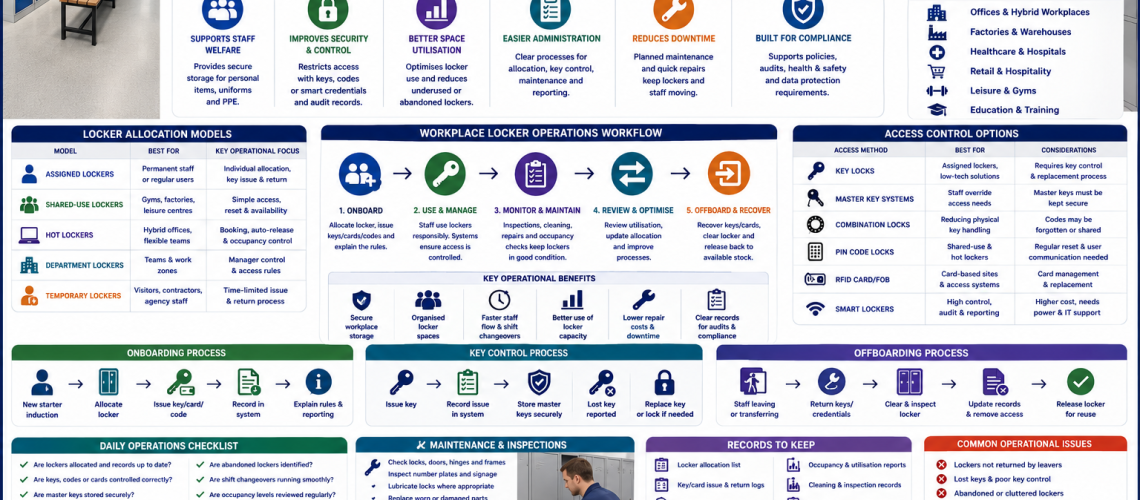
Best Lock Types for Changing Rooms: Security and Access Options

Comparison of locker lock types for changing rooms including key locks, padlocks, mechanical combination locks and digital locker locks

Choosing the right lock for a changing room matters just as much as choosing the right lockers. A well-designed locker room can still fail if the locking system does not suit the users, the environment or the way the site is managed. Security problems often begin there.


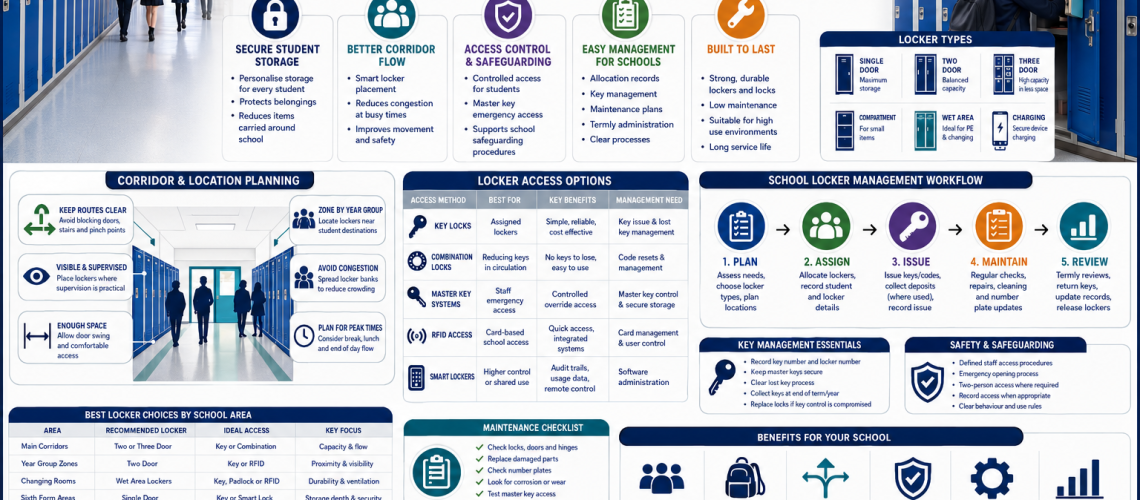
Steel vs Laminate vs Plastic Lockers: Which Is Best for Changing Rooms?

Steel, laminate and plastic lockers compared in a UK changing room showing different materials and finishes side by side

Choosing the right locker material matters more than many buyers expect. In a changing room, lockers are used every day. Doors open and close constantly. Wet kit gets stored away. Floors are cleaned. Benches get moved. People brush past corners and handles. Over time, the wrong material choice creates wear, cleaning issues and unnecessary replacement costs.


Locker Room Layouts: Small, Medium and Large

Examples of locker room layouts showing small, medium and large changing room designs with lockers and benches arranged differently

Locker room layout has a direct effect on usability. A well-planned space supports movement, storage, changing and cleaning. A poorly planned one creates congestion, awkward access and ongoing maintenance issues.


How to Design a Locker Room (Step-by-Step Guide)

Locker room design layout showing lockers, benches and clear walkways in a planned space

Designing a locker room is not only about fitting in as many lockers as possible. A good layout needs to work for the people using it, the belongings they need to store and the way they move through the space every day. When the design is right, the room feels organised, practical and easy to maintain. When it is rushed, even a room with good products can become cramped, cluttered and awkward to use.


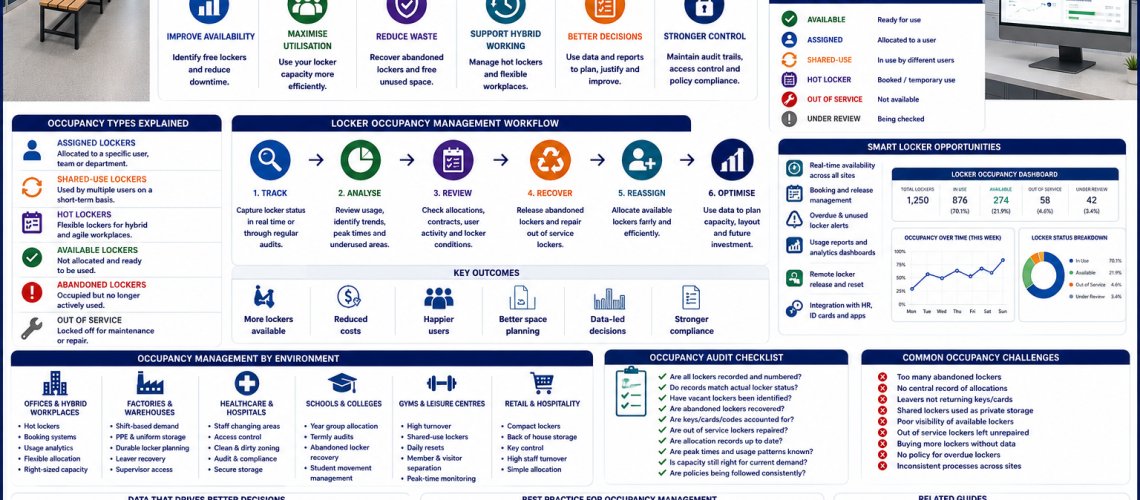
Cleaning and Maintenance Planning for Changing Rooms

Changing room being cleaned with clear access around lockers and benches for maintenance

Cleaning and maintenance planning are essential parts of changing room design, not tasks to think about after installation. A room may look right on day one, but if it is difficult to clean, awkward to inspect or hard to maintain, standards often slip over time. Dirt builds up in corners, moisture lingers around benches, locker doors become marked and damaged, and small issues turn into larger repair problems.