Should Office Lockers Be Bookable or First Come, First Served?
April 7, 2026
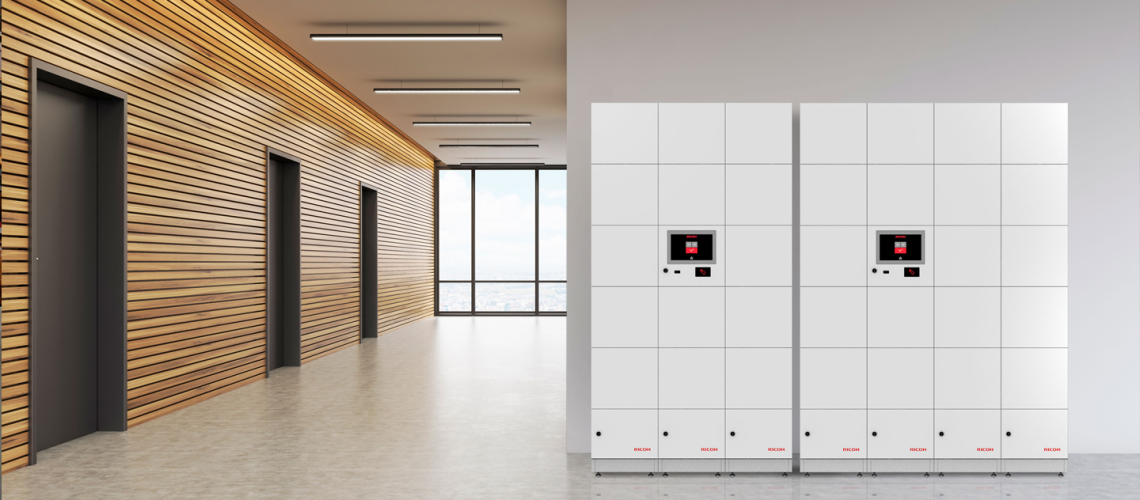
Once an office moves to shared or day-use storage, a practical question usually follows. Should lockers be booked in advance, or should staff simply use any free locker when they arrive? Both systems can work, but they suit different workplaces and different staff routines.
In some hybrid offices, a bookable locker model feels more controlled and predictable. In others, it adds extra friction to something that should stay simple. A first come, first served approach can feel quick and natural, but it only works well when demand is predictable and the capacity is right.
This guide explains when office lockers should be bookable, when a simpler day-use approach is better and how to choose the right model for a hybrid workplace. For the main workplace lockers guide, visit the hub page. If you are comparing shared storage models, see day-use office lockers and assigned vs shared staff lockers. For technology-led storage, visit smart lockers for hybrid workplaces. When you are ready to compare products, see our workplace lockers page for staff lockers and commercial staff storage.
Why this question matters
Shared office lockers only work well when staff feel confident that the system is fair and usable. If employees arrive unsure whether a locker will be available, trust in the setup drops quickly. On the other hand, if the process for using a locker feels too complicated, staff may stop bothering and leave coats, bags and devices at desks instead.
That is why the choice between bookable lockers and first come, first served lockers matters. It is not just an admin detail. It affects how smooth the arrival routine feels, how much friction the office creates and whether the storage model actually supports hybrid working.
The best answer depends on demand, staff habits and how much control the workplace genuinely needs.
What does first come, first served mean in practice?
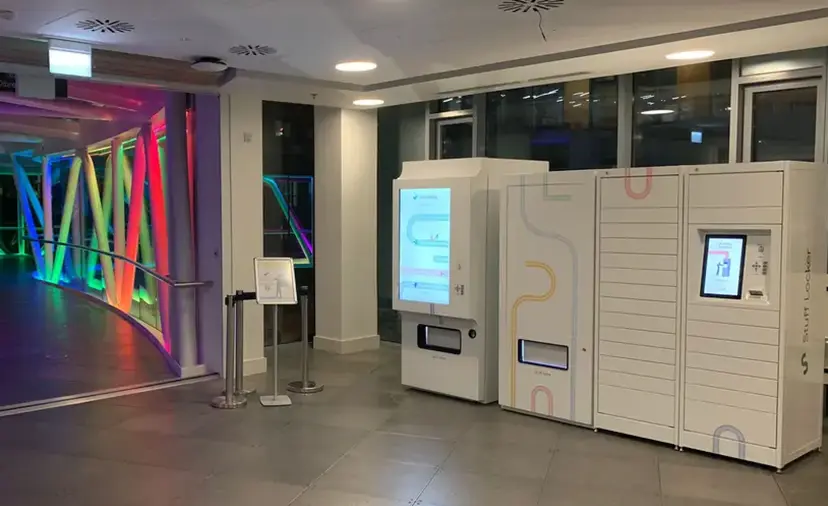
A first come, first served locker system means staff use any available locker when they arrive. The locker is not reserved in advance. It is simply taken for the day and then cleared for the next user once the workday ends.
This is often the simplest way to run shared storage. There is no booking layer, no advance allocation and usually less admin. Staff arrive, choose a free locker and get on with the day.
Where demand is steady and the number of lockers is planned properly, this model can feel fast, natural and low-friction.
What does a bookable locker system mean?
A bookable locker system allows staff to reserve a locker before they arrive or at the point of arrival through a managed process. Depending on the setup, the booking may be linked to a workplace app, a desk-booking system, a smart locker platform or another office management tool.
This gives staff more certainty because they know storage is available before they reach the office. It can also help the business manage higher-demand days, especially if the office already uses booking systems for desks, parking or meeting rooms.
However, the extra control comes with more structure. A bookable system only makes sense if the workplace benefits from that added layer rather than being slowed down by it.
When first come, first served works well
A first come, first served model often works best in offices where attendance patterns are reasonably stable and locker demand does not fluctuate too sharply. It can also suit workplaces that want the shared storage routine to feel easy and informal rather than managed like another booking task.
This approach is often a good fit where:
- there are enough lockers for normal peak demand
- staff mainly need day-use storage for coats, bags and personal items
- the office wants a low-friction arrival routine
- users do not need guaranteed access far in advance
- the business prefers simple shared storage over more managed allocation
In these environments, booking can feel like an unnecessary extra step.
When booking makes more sense
A bookable system becomes more useful when locker demand is harder to predict or when staff expect a stronger guarantee of access. This often happens in busy hybrid offices where attendance spikes on certain days and where storage demand is closely tied to desk-booking behaviour.
Booking can be especially helpful where:
- attendance varies sharply across the week
- certain days regularly create storage pressure
- the office already uses desk or workspace booking systems
- staff want certainty before travelling in
- some users carry more equipment and need reliable access
- the workplace is already using smart or managed locker technology
In those cases, a reserved locker can help the office feel better organised and more predictable.
Bookable lockers are not always better
It can be tempting to assume that bookable storage is automatically the more advanced and therefore better option. That is not always true. In some offices, adding booking creates more process than the problem really requires.
If staff have to reserve a locker, remember the booking, check in correctly and still only use the unit for a bag and coat, the system may start to feel over-engineered. A simpler first come, first served model can often provide a better daily experience when demand is manageable and the layout supports easy use.
The strongest solution is the one that removes friction, not the one with the longest feature list.
First come, first served is not always enough either
A simple shared model can still fail if capacity is tight or if certain days create strong demand peaks. In that situation, staff may arrive to find that the best lockers are already taken or that no lockers are left at all. Once that happens repeatedly, confidence in the shared storage offer can drop fast.
This is why a first come, first served approach only works well when the office has planned the locker bank around real demand. If the workplace wants to offer shared storage but cannot comfortably cover busy periods, some form of managed or reserved use may be the stronger answer.
For the wider capacity question, see how many workplace lockers do you need.
Hybrid offices often benefit from a mixed approach
In many workplaces, the answer is not purely one model or the other. A mixed system can work very well. For example, most lockers may be first come, first served, while a smaller number are reservable for staff who need more dependable access or who carry more equipment.
This type of arrangement can help the office stay flexible without creating an all-or-nothing system. It also reflects the reality that not all staff use storage in the same way. Some employees are happy with whichever locker is free, while others benefit from more certainty.
A mixed model is often one of the most practical answers in hybrid offices with varied teams and uneven attendance patterns.
How desk booking affects the locker decision
If the office already uses desk booking, locker booking may feel like a logical extension. Staff book a desk, reserve a locker and arrive knowing both parts of the day are in place. In some offices, that creates a smoother overall experience.
However, this only works when the systems genuinely align. If staff book desks informally, or if most users do not see the need to reserve storage in advance, linking lockers to the same process can add more complexity than benefit. The fact that desks are bookable does not automatically mean lockers should be too.
Good planning looks at whether storage certainty is actually part of the same problem as desk certainty.
Locker location still plays a role
The choice between booking and first come, first served should also reflect where the lockers sit. If they are on the natural arrival route and easy to access, a simple shared model may work well because staff can see availability and use the system quickly.
If the lockers are in a more defined storage zone or part of a managed hybrid office journey, booking may fit better with the broader structure. In either case, the office should not treat the allocation method as separate from the physical layout.
For more on placement, see where should office lockers go in a reception-to-desk journey and office locker banks for hot-desking areas.
What rules does each model need?
Both models still need clear rules. A first come, first served system should explain how long lockers can be used, when they must be emptied and what happens if belongings are left behind. A bookable model needs those rules too, along with a clear process for reservations, no-shows and unused booked lockers.
The more clearly those expectations are communicated, the more reliable the system becomes. Good locker management is usually less about strictness and more about clarity.
For the broader policy side, visit staff locker policies for UK workplaces.
Common mistakes in choosing the model
- adding booking because it sounds modern rather than because demand requires it
- using first come, first served when locker pressure is clearly too high
- failing to align locker use with desk-booking behaviour
- creating rules that are vague or hard to follow
- ignoring the difference between light users and staff who need more dependable storage
- treating the allocation system as separate from locker location and capacity
Most of these problems come from choosing the system before understanding the office routine properly.
How to choose the right approach
The best starting point is to look at actual demand and actual behaviour. Are staff happy to use whatever locker is free? Do they need confidence before travelling in? Are busy days creating storage competition? Is the office already organised around booking systems for desks and other resources?
If locker demand is steady and the office wants a simple shared routine, first come, first served is often the better answer. If staff need stronger certainty or demand is less predictable, booking may add real value. In many offices, a mixed model gives the best balance.
Good planning starts with how staff use storage, then chooses the simplest system that still supports that pattern well.
Conclusion
Office lockers can work well as bookable storage or as first come, first served storage, but the better model depends on how the workplace actually runs. A simple shared system often suits offices with steady demand and a low-friction culture. Booking can make more sense where staff need stronger certainty or where hybrid attendance creates sharper pressure on some days.
The strongest answer usually comes from balancing demand, staff expectations and the wider office routine. For the wider cluster, return to the workplace lockers guide. Shared storage is covered in day-use office lockers. Product-led next steps can be found on our commercial staff storage page.
Frequently asked questions
Should office lockers be bookable?
Sometimes. Booking works best where staff need stronger certainty or where locker demand is difficult to predict on busy days.
Is first come, first served better for shared lockers?
Often yes, especially when the office wants a simple routine and there are enough lockers for peak demand.
Can an office use both models?
Yes. A mixed approach can work very well, with most lockers shared freely and a smaller number managed or reserved for specific needs.
Does desk booking mean locker booking is needed too?
Not always. It only makes sense if storage certainty is part of the same practical issue as desk allocation.
What is the biggest mistake in this choice?
A common mistake is choosing a booking system because it sounds efficient without checking whether a simpler shared model would work better for the actual office pattern.
“`
Discover more from Blog Total Locker Service
Subscribe to get the latest posts sent to your email.