Medical Cabinet Key Management in Care Homes: Policies, Risks and Best Practice
March 25, 2026
Medical cabinet security is not only about the cabinet itself. In many care homes, the weak point is not the steel body, the hinges or the lock mechanism. It is the way keys, codes and access rights are handled day to day. A good cabinet can still become a poor storage system if too many keys are in circulation, if nobody is clear who should hold them, or if access arrangements are not reviewed when staff change.
That is why key management should be treated as part of medicines governance rather than as a minor maintenance issue. The cabinet, the lock, the key policy, the access log and the daily routine all work together. If one part is weak, the whole system becomes less reliable. In a care home, that can lead to delays, uncertainty, poor accountability and, in the worst cases, medicines-related incidents.
This guide explains how care homes can manage medical cabinet keys properly, what common risks to watch for, and how to build a practical access system that supports both security and daily workflow. For the wider picture, see our comprehensive guide to medical cabinets. You may also want to read Best Lock Types for Medical Cabinets in Care Homes and Clinics and How to Carry Out a Medicines Storage Risk Assessment in a Care Home.
Why Key Management Matters
In theory, a locked cabinet provides secure medicines storage. In practice, the cabinet is only as secure as the access system behind it. If staff borrow keys informally, if duplicate keys are not recorded, or if nobody knows who had access at a certain time, the cabinet may still be locked but control has started to drift.
In care homes, that drift often happens slowly. A spare key is cut for convenience. A second person starts using a key that was originally issued to someone else. A temporary arrangement becomes permanent. A key goes missing but nobody is sure when. By the time the issue is noticed, the access system may already be weaker than the provider intended.
Good key management prevents that. It supports medicines security, but it also improves clarity for staff. People know who is authorised, where keys should be kept, what to do at handover, and what to do if a key is lost or a cabinet cannot be opened. That reduces confusion and helps keep the medicines process professional and consistent.
Key Management Is Part of Medicines Governance
It is easy to treat cabinet keys as a facilities issue. In reality, they sit within medicines governance. Access to medicines should reflect the care home’s medicines policy, local risk assessments and the level of responsibility different staff hold. Key control therefore needs to align with the same principles as the wider medicines system.
This means the home should be clear about who can hold keys, which cupboards they can access, whether master access is used, how keys are issued and returned, and what happens when staffing changes. It also means there should be a clear link between the physical access system and the written process. A key policy that staff do not actually follow is no better than having no policy at all.
Where electronic access is used instead of traditional keys, the same principle applies. The technology changes, but the governance question does not. Access rights still need to be allocated, reviewed, removed when no longer needed and monitored as part of a wider medicines security system.
The Main Risks of Poor Key Control
Weak key management does not always lead to immediate incidents, but it increases risk across the whole medicines process. Some of the most common problems include:
- Too many physical keys in circulation.
- No accurate record of who holds which key.
- Keys being shared between staff without authorisation.
- Keys left in locks, drawers or unsecured staff areas.
- Lost keys reported late or not reported at all.
- No clear process for temporary, agency or bank staff access.
- Master keys offering wider access than is actually necessary.
- Access continuing after a member of staff leaves or changes role.
- No review of access rights after incidents or service changes.
- Delays in medicines rounds because the person with the key is unavailable.
Each of these problems can affect security, but they can also affect efficiency. A poor system is not only unsafe. It is often frustrating for staff and disruptive for residents.
Who Should Have Access to Medical Cabinet Keys?
Access should be based on role, responsibility and operational need. Not everybody working in a care home needs access to every medicines cupboard. In fact, one of the simplest ways to improve control is to reduce access to the smallest practical group.
In many homes, this means authorised access is limited to trained staff with medicines responsibilities. That group may include registered nurses in nursing homes, trained senior care staff in residential settings, managers and selected deputies. The exact structure will depend on the service model, but the principle is the same: access should not be wider than it needs to be.
This also means access levels may differ across the building. A central medicines cupboard may be restricted to a small number of authorised staff, while a self-administration cupboard in a resident’s room may be accessible to the resident under an agreed care plan and risk assessment. A good key management system recognises these differences instead of treating every cabinet in the same way.
Why Shared Keys Create Problems
One of the most common weak points in care-home medicines storage is informal key sharing. It often begins for practical reasons. Someone is on break. A medicines round needs to continue. A shift handover is busy. A cabinet needs to be opened quickly. The intention may be harmless, but repeated informal sharing removes clear accountability.
When several people use the same key without a defined process, it becomes harder to know who had access, when access happened and whether the key was kept secure throughout the shift. This is especially problematic if an incident later needs to be reviewed. Even where nothing has gone wrong, poor accountability can weaken staff confidence in the system.
That does not mean shared access can never happen. In many homes, it has to. The difference is whether it is managed properly. If several staff need cabinet access, the system should reflect that openly through controlled allocation, not through quiet workarounds.
Building a Clear Key Register
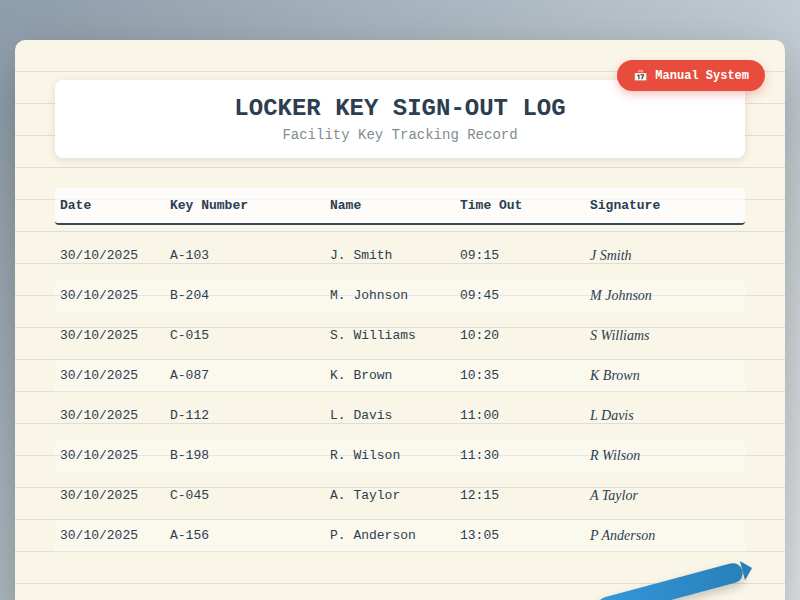
Every care home using physical medical cabinet keys should have a clear key register. This does not need to be overcomplicated, but it does need to be accurate and maintained. At a minimum, the register should show:
- Which keys exist for each cabinet or lock suite.
- Which keys are in routine use and which are held as spares.
- Who each issued key is allocated to.
- When the key was issued.
- When it was returned, if applicable.
- Whether the key opens a single cabinet, a keyed-alike group or a master suite.
- Any incidents, losses or lock changes linked to that key.
A proper register turns key control from assumption into evidence. It also makes it much easier to audit the system, review access and respond quickly if a key goes missing. Without a register, providers are often relying on memory, which is rarely enough in a regulated care setting.
How Spare Keys Should Be Handled
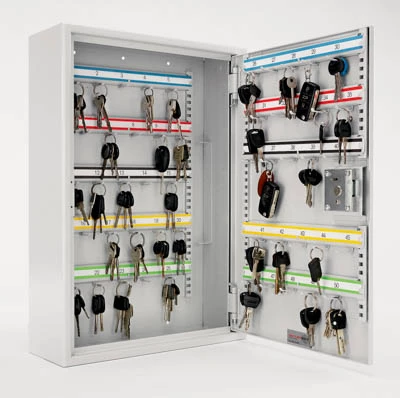
Spare keys are necessary, but they need just as much control as routine issue keys. If a spare key is kept in an unsecured office drawer or a place known to too many people, it may undo the whole point of controlling the main key.
Spare keys should be stored in a defined secure location with restricted access. The home should be clear about who can authorise their use, when they should be used and how that use is recorded. Some providers also review whether a spare is genuinely required for each cabinet, especially where larger keyed suites or master-key arrangements already exist.
The key point is that a spare key is not an informal backup for general convenience. It is part of the controlled access system and should be managed accordingly.
Master Keys: Useful but Higher Risk
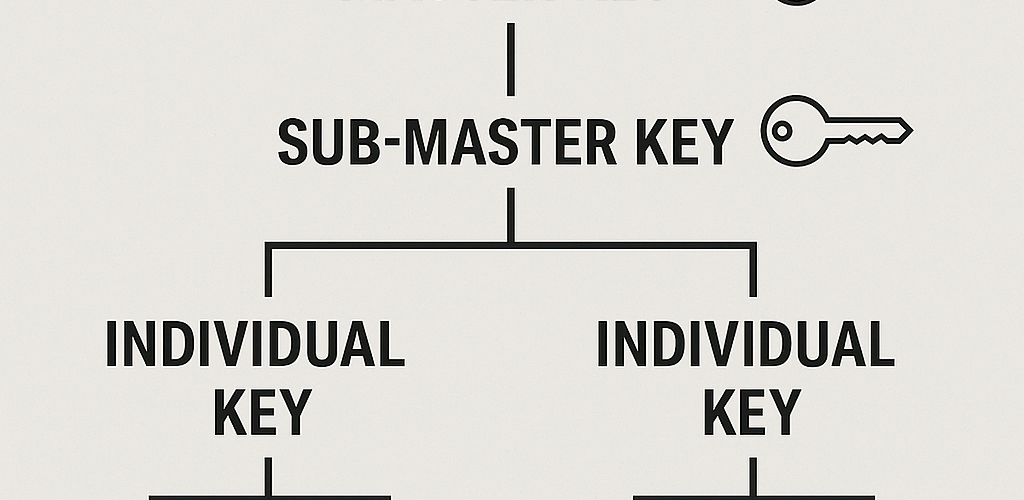
Master keys can make operations easier, especially in larger homes with several medicines cupboards. They can reduce the burden of carrying multiple keys and allow senior authorised staff to access several cabinets when needed. That can be useful for managers, clinical leads or designated supervisors.
However, master keys also create a wider risk. If a single lost or misused key opens several medicines cupboards, the impact is far greater than with a key that opens only one cabinet. That is why master access should be restricted to those who genuinely need it and should be monitored more closely than routine single-cabinet keys.
In many settings, master keys work best when used sparingly. They can be highly practical, but only if the provider treats them as a higher-control asset rather than as the easiest way to simplify everything.
Shift Handover and Key Handover
One of the points where key control often slips is shift handover. Staff are busy, medicines rounds may still be underway and there can be pressure to move quickly. If key transfer is not part of a clear routine, it can become casual and inconsistent.
A better approach is to make key handover part of the normal shift process. That may include confirming who is taking responsibility for the key, checking that the key is physically transferred, recording the handover where required and making sure staff know whether any access issues arose during the previous shift.
Even where the home uses electronic access instead of physical keys, the same thinking applies. Responsibility for access arrangements during the shift still needs to be clear. Good handover reduces the chance of delays, confusion or assumptions that somebody else is handling the issue.
What to Do if a Key Is Lost
Every care home should have a documented process for lost or missing cabinet keys. This should not be left to improvisation. A lost key may represent a low immediate risk in one situation and a much higher risk in another, depending on what the cabinet contains, where it is located and whether the key can be linked to a specific cupboard.
The process should cover immediate reporting, who must be told, what interim security steps are needed, whether medicines storage is still safe to use, and when lock replacement or rekeying is required. It should also cover documentation and review afterwards. A missing key is not only a security event. It is also information about whether the access system is working properly.
Where loss reporting is quick and the response is clear, providers can usually contain the issue well. The bigger problem comes when staff are uncertain what to do, delay reporting or assume the key will simply turn up later.
Temporary Staff, Agency Staff and Access Control
Temporary staffing can put extra pressure on key management. Agency and bank staff may need access for operational reasons, but they may be less familiar with the home’s processes. That makes it especially important to avoid informal shortcuts.
The home should decide in advance how temporary access will be handled. This may include limiting access to named authorised staff only, using supervised access where appropriate, issuing temporary keys through a formal sign-out process, or relying on managed electronic credentials that can be activated and removed more cleanly.
The important point is consistency. Temporary staffing should not mean temporary standards. If anything, it is the situation where clear access rules matter most.
Electronic Access Still Needs Management
Some homes use electronic key systems, keypad locks, card access or other managed access methods instead of traditional cabinet keys. These systems can reduce some of the usual problems around lost keys and uncontrolled duplication, but they do not remove the need for governance.
Codes still need to be changed. Cards still need to be issued and cancelled. Access levels still need to match roles. Audit logs still need to be reviewed if they are available. Emergency access still needs to be planned. In other words, electronic access is often easier to manage, but it still has to be managed.
Many providers find electronic systems especially helpful where staffing is larger, shift patterns are more complex or access accountability matters more. Even so, the strongest results come when the technology sits inside a clear written process rather than replacing one.
Key Management for Self-Administration Cupboards
Self-administration changes the access question. In these cases, the aim is not only to keep medicines secure from unauthorised access. It is also to make sure the resident can access their medicines in the way identified in their care plan and risk assessment.
That means key management for room-based cupboards may be different from key management for staff-only central medicines cabinets. In some cases, the resident may hold the key. In others, a staff-supported arrangement may be safer. The right answer depends on the individual assessment, the medicine type, the room layout and whether other people could gain access.
The important thing is that this arrangement should be intentional and documented. It should not be left vague. The home should be clear about who has access, how support is provided and what review points would trigger a change to the system.
What a Good Key Management Policy Should Include
A good policy should be practical enough for staff to follow and specific enough to support accountability. It should not be a generic statement that keys should be kept secure. It should explain how that will happen in the actual service.
- Which cabinets or cupboards are covered by the policy.
- Who may be issued with keys or access rights.
- How keys are recorded, issued and returned.
- Where spare keys are stored.
- How shift handover is managed.
- How temporary or agency access is handled.
- What happens if a key is lost, damaged or not returned.
- How often access rights and the key register are reviewed.
- How master keys are controlled, if they exist.
- How electronic codes, cards or credentials are changed and removed.
- How incidents linked to access are escalated and investigated.
The strongest policies also make clear who owns the process. Without named responsibility, even a well-written policy can gradually become outdated.
Common Key Management Mistakes to Avoid
Most key-related failures come from routine habits rather than dramatic events. A few avoidable mistakes account for many of the problems seen in practice.
- Keeping unrecorded spare keys.
- Allowing keys to be borrowed informally.
- Failing to remove access when staff leave.
- Using master keys too widely.
- Leaving keys in medicines cupboards during rounds.
- Assuming small homes do not need a formal key register.
- Treating self-administration cupboard access the same as staff-only cabinet access.
- Failing to review the system after an incident or near miss.
- Relying on keypad codes but never changing them.
- Using electronic access without any process for checking who still needs it.
None of these mistakes is complicated, which is exactly why they matter. Small weaknesses repeated every day create larger system failure over time.
How Often Should Key Access Be Reviewed?
Key management should be reviewed regularly rather than only when something goes wrong. For many homes, a sensible approach is to check the key register and access arrangements as part of routine medicines governance reviews. Extra review should also take place after staffing changes, incidents, refurbishment, lock replacement or changes in the medicines storage model.
Reviews do not need to be complicated. The aim is to confirm that the access list is still correct, the register is accurate, spare keys are where they should be, electronic credentials still match actual roles and any changes from previous audits have been completed.
This is one of the easiest ways to stop access systems from becoming messy. A short, regular review usually prevents the bigger clean-up that becomes necessary when nobody has checked the system for months.
Choosing Cabinet Systems That Support Better Key Control
Procurement decisions can make key management either easier or harder. For example, a cabinet supplied as part of a clear keyed suite may be easier to manage than a mixed collection of unrelated locks added over time. Likewise, an electronic access system with straightforward credential control may reduce problems that often arise with large numbers of physical keys.
This does not mean every home needs advanced electronic locking. It means the storage product should match the level of access control the provider can realistically manage. A simpler system that is well run is usually safer than a more advanced one that nobody properly administers.
When specifying new medical cabinets, it helps to think beyond size and finish. Ask how the access system will work in real life, who will hold authority, how changes will be handled and how the arrangement will be audited later.
Final Thoughts
Medical cabinet key management is one of those areas where simple discipline makes a big difference. A secure cabinet, a suitable lock and a well-written policy are all important, but they only deliver real protection when the home controls access consistently in day-to-day practice.
The best systems are usually not the most complicated. They are the ones that clearly define who has access, how that access is recorded, how handover works, what happens if something goes wrong and when the arrangement is reviewed. In a care home, that helps protect medicines, supports staff confidence and keeps the storage system aligned with wider medicines governance.
If you are reviewing cabinet access across your site, it is worth looking at the locks, the key register, the medicines policy and the cabinet layout together rather than as separate issues. For product options, visit our Medical Cabinet Security page or return to our comprehensive guide to medical cabinets for wider planning advice.
Discover more from Blog Total Locker Service
Subscribe to get the latest posts sent to your email.