Best Lock Options for Golf Lockers in Clubs and Leisure Facilities
March 17, 2026
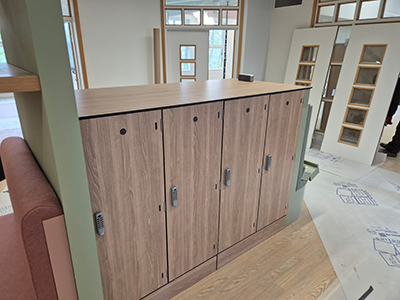
Choosing the right lock is an important part of specifying golf lockers. The locker itself needs to be strong, practical and suited to the environment, but the lock plays a major part in how secure, convenient and easy to manage the storage area will be. A poor lock choice can create frustration for users and extra work for staff, even if the lockers themselves are well made.
Golf clubs and leisure facilities do not all operate in the same way. Some need lockers for regular members. Others need storage for visitors, guests or mixed-use changing rooms. That is why there is no single lock that suits every site. The best option depends on who uses the lockers, how access is managed and how much day-to-day control the facility wants.
This guide explains the main lock options for golf lockers and helps you decide which type is right for your club, changing room or leisure facility.
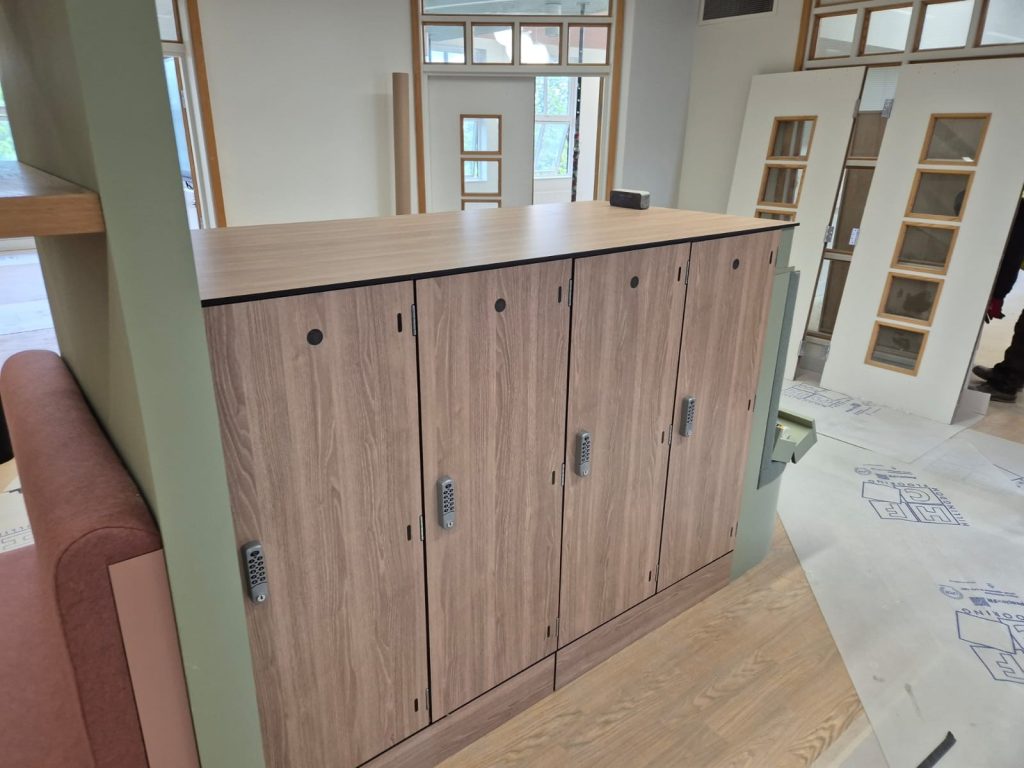
Why Lock Choice Matters for Golf Lockers
Golf lockers are often used to store clothing, shoes, valuables and personal items while members or visitors are on the course or using clubhouse facilities. Users want to know that their belongings are secure, but they also want the locker to be simple to use. The lock should provide the right balance of security, convenience and practicality.
For the club or leisure operator, lock choice also affects administration, maintenance and replacement costs. Some locks are easy to manage but may involve keys going missing. Others reduce the need for physical keys but may require more planning, support or user instructions. Choosing the right type from the start can save time and cost later.
What Makes a Good Lock for Golf Lockers?
A good golf locker lock should match the way the lockers are actually used. It should be reliable, easy for the user to understand and suitable for the level of security needed. It should also work well with the locker design and the setting, whether that is a member golf club, a visitor facility or a wider sports and leisure venue.
When comparing lock options, it helps to think about:
- who will use the lockers
- whether use is long-term or day use
- how often lockers change hands
- how much staff involvement is practical
- what happens if access is lost
- how important appearance and ease of use are
Key Locks for Golf Lockers
Key locks are one of the most familiar locker locking options. They are simple to understand and easy for most users to operate. In a golf club where members may have an allocated locker, a key lock can be a straightforward and practical choice.
Key locks can work well where access is more stable and users keep the same locker over time. They can also suit smaller changing areas where staff can manage lost keys or replacements without too much difficulty.
The main drawback is that keys can be lost, damaged or not returned. That can create cost and administration. Even so, for some clubs, key locks remain a sensible and dependable option.
Best for
- member lockers
- smaller golf clubs
- long-term locker allocation
- sites that want a familiar and simple lock option
Hasp Locks for Padlocks
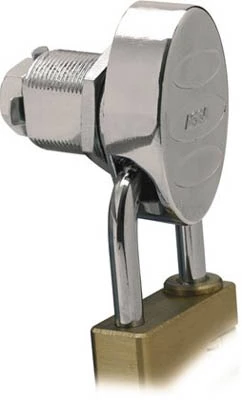
Hasp locks allow users to fit their own padlock. This can be a flexible and cost-effective solution, especially where the facility wants to avoid managing a large number of keys or built-in lock mechanisms. It also allows users to bring their own preferred padlock if the site permits that approach.
For some golf clubs or visitor facilities, this can be a practical choice. It shifts more responsibility to the user, which can reduce administrative work for staff. The trade-off is that the overall look may feel less refined, and the quality of security depends partly on the padlock the user chooses.
In premium clubhouse settings, hasp locks may not always be the preferred option from a presentation point of view, but they can still be useful in the right environment.
Best for
- cost-conscious projects
- visitor lockers
- mixed-use facilities
- sites that want less lock management
Mechanical Combination Locks
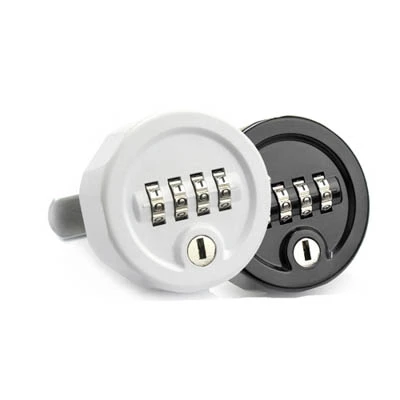
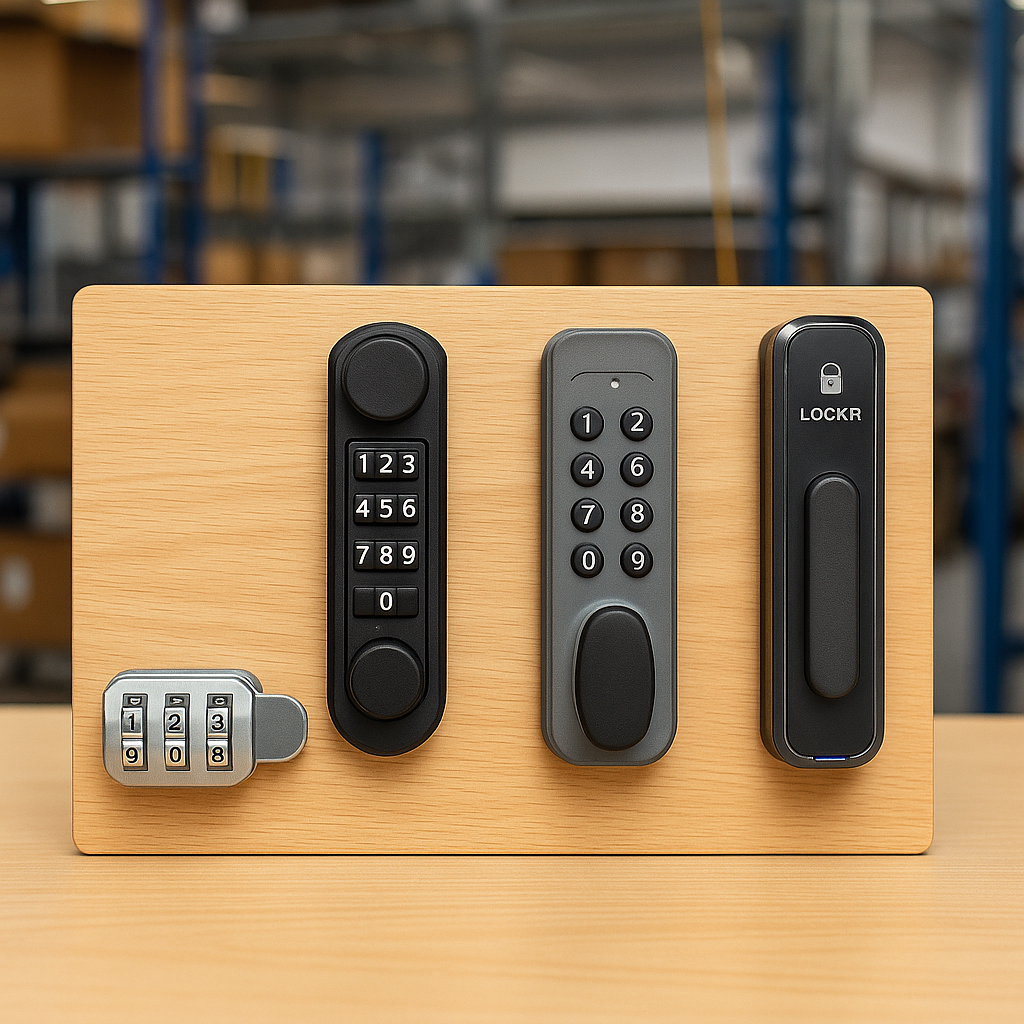
Mechanical combination locks remove the need for physical keys. Users enter a code to lock and unlock the compartment, which can make them a convenient option in changing rooms where ease of use and reduced key handling are important.
These locks can be a strong choice for golf lockers where clubs want a tidy, self-contained solution without depending on users carrying keys. They can also suit environments where lockers are used by different people over time, depending on the lock style and how it is set up.
Mechanical combination locks often give a neater appearance than padlocks and can feel more premium in the finished locker room. The main consideration is that users need to understand how to set or use the code correctly, so clear instructions can help.
Best for
- clubs that want a cleaner look
- sites that want to avoid key management
- member or shared-use lockers
- golf clubs with a more premium changing room standard
Digital Locker Locks
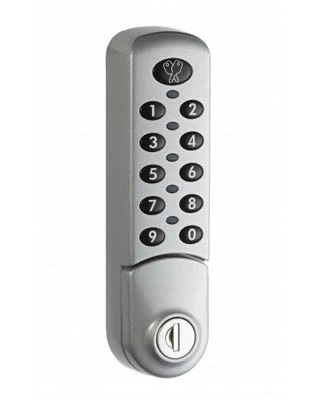
Digital locker locks offer a more modern way to manage access. Depending on the system, they may use a keypad, PIN code, RFID credential or another electronic method. For some clubs and leisure facilities, digital locks provide a convenient and professional solution that supports a higher-end user experience.
Digital locks can be particularly useful where the facility wants a more advanced or managed system. They may suit premium golf clubs, refurbished clubhouse changing rooms or leisure environments where technology is already part of access control.
The main consideration is that digital systems can be more complex than mechanical options. They may involve batteries, programming or maintenance planning. That does not make them the wrong choice. It simply means the club should choose them for the right reasons and with a clear understanding of how they will be managed.
Best for
- premium golf clubs
- refurbished clubhouse projects
- sites wanting a modern user experience
- facilities with managed access systems
Coin Return and Coin Retain Locks
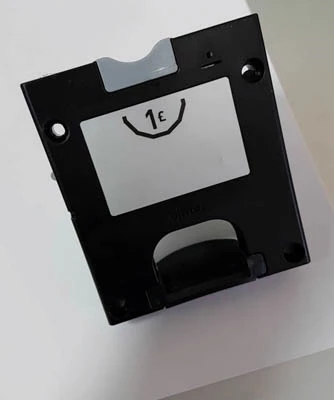
Coin-operated locks are more commonly associated with leisure centres, swimming pools and short-term visitor environments, but they can still be relevant in some mixed-use golf and leisure settings. They encourage the locker to be vacated after use and can be useful where temporary storage is the main purpose.
For a traditional member golf club, coin locks may be less common. For a wider sports or leisure venue with golf facilities, however, they may still be worth considering in visitor areas or shared-use spaces.
Best for
- visitor changing rooms
- temporary day-use lockers
- mixed-use leisure settings
- facilities that want lockers returned to availability after use
Which Lock Option Is Best for Member Golf Lockers?
For member lockers in a golf club, the best lock is often one that supports regular, predictable use. Key locks and mechanical combination locks are both strong options in many of these settings. Key locks are simple and familiar, while mechanical combination locks can provide a tidier and more convenient alternative without needing physical keys.
If the club wants a more premium and modern finish, digital locks may also be worth considering. The right answer depends on how the lockers are allocated and how much ongoing management the club is comfortable with.
Which Lock Option Is Best for Visitor Lockers?
Visitor lockers usually need a lock that is simple to understand and easy to manage for short-term use. Hasp locks for padlocks, mechanical combination locks and coin-operated locks can all work well depending on the type of facility and the expected turnover.
If visitors use the lockers only occasionally, a simple and robust solution is often best. The facility should think about how quickly new users can understand the system and what staff support may be needed if there is a problem.
Balancing Security and Convenience
The most secure option is not always the best overall choice if it creates inconvenience or confusion. In the same way, the simplest option is not always the right one if it does not provide the level of security the site expects. The best golf locker lock is usually the one that balances both factors properly.
A member golf club may place greater value on appearance, ease of use and a consistent experience. A public sports venue may place greater value on simplicity and turnover. A mixed-use site may need a compromise that works across different types of user. These operational differences matter just as much as the lock itself.
Appearance Still Matters
In golf club environments, the lock does not just affect security. It also affects the overall look of the changing room. Built-in locks such as mechanical combinations or digital locks can often create a more integrated and professional appearance than external padlocks. This can be especially important in premium clubhouse settings where presentation forms part of the member experience.
That does not mean padlocks are wrong. It simply means the lock choice should reflect the standard and style of the room as well as the practical needs of users.
Maintenance and Management Considerations
Before choosing a lock type, it is worth thinking beyond the day of installation. Consider what happens if a key is lost, a code is forgotten, a battery needs replacing or a lock needs resetting. The right choice is one the facility can manage confidently over time.
Some clubs prefer the simplicity of a mechanical system. Others are comfortable with more advanced locking methods if the result is a better user experience. The important point is to choose a solution that suits the staff, the users and the operating model of the site.
Questions to Ask Before Choosing a Golf Locker Lock
Before making a final decision, ask the following:
- Are the lockers for members, visitors or both?
- Will users keep the same locker or use any available locker?
- How important is a premium appearance?
- How much lock management is practical for staff?
- What happens when access is lost?
- Does the facility want a simple or more advanced system?
- How often will the lockers be used?
Choosing the Best Lock Option for Your Facility
The best lock option for golf lockers depends on the type of club, the way the lockers are used and the standard of experience the facility wants to provide. Key locks remain a practical choice for many member clubs. Mechanical combination locks offer convenience and a cleaner appearance. Digital locks can suit premium or modern installations. Hasp locks and coin-operated options may be more appropriate in visitor or mixed-use settings.
There is no single answer for every site. The right choice is the one that fits the users, the room and the way the facility is managed day to day.
Total Locker Service can help you compare golf locker lock options and choose a secure, practical solution for your club, changing room or leisure facility.
Frequently Asked Questions About Golf Locker Locks
What is the best lock for golf lockers?
The best lock depends on how the lockers are used. For member lockers, key locks and mechanical combination locks are often strong choices. For visitor lockers, hasp locks, combination locks or coin-operated locks may be more suitable.
Are digital locks good for golf clubs?
Yes, digital locks can be a strong option for golf clubs that want a more modern and premium user experience, especially in refurbished or higher-end clubhouse environments.
Are key locks still a good option for lockers?
Yes, key locks are still a practical and familiar solution, particularly where members use the same lockers over time and the club can manage key replacement when needed.
What lock is best for visitor golf lockers?
Visitor lockers often work best with simple short-term solutions such as hasp locks for padlocks, mechanical combination locks or coin-operated locks, depending on the facility.
Do locker locks affect the look of the changing room?
Yes, they do. Built-in mechanical or digital locks can create a neater and more integrated appearance than external padlocks, which can matter in golf club and clubhouse settings.
Discover more from Blog Total Locker Service
Subscribe to get the latest posts sent to your email.