Food Industry Lockers UK | Staff Changing & Hygiene Guide
September 15, 2026
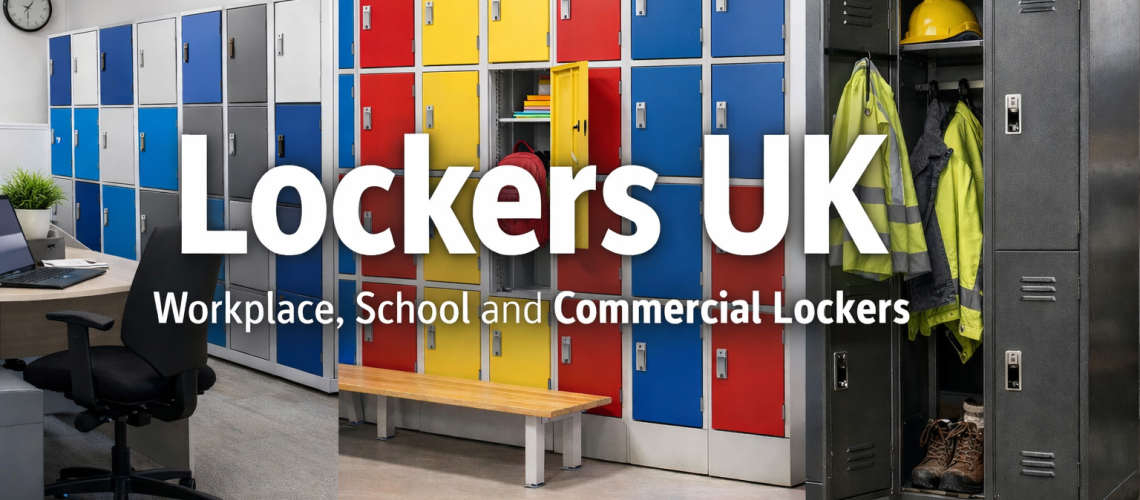
Food industry lockers need to do more than provide secure staff storage. In food production, processing, packing, bakery, meat, dairy, chilled-food and other hygiene-sensitive workplaces, the locker system forms part of a wider staff-changing process that can include personal clothing, clean uniforms, used workwear, footwear, PPE, laundry collection and controlled movement into production areas.
A standard employee locker may be suitable for personal belongings in some food businesses. Other sites need divided clean and dirty lockers, garment lockers, controlled uniform issue, used-workwear collection or separate locker banks for different hygiene zones. The correct arrangement depends on what the site produces, how staff move through the building and the hygiene controls established by the food business.
This guide explains how to plan food industry lockers in the UK, including staff changing rooms, workwear storage, clean and dirty separation, PPE, locker materials, shift changes, laundry systems, cleaning access and practical locker-room zoning.
For the wider workplace storage canister, start with our Workplace Lockers UK guide. For products, browse our workplace lockers and clean and dirty lockers.
Quick Answer: What Lockers Are Best for the Food Industry?
The best locker for a food-industry workplace depends on what needs to be separated and how clothing moves through the site.
- Standard staff lockers can store personal bags, coats and clothing where no specialist clothing separation is required.
- Garment lockers provide hanging space for uniforms, coats and workwear.
- Clean and dirty divided lockers provide two separate internal areas where clean clothing and used workwear need to be organised separately.
- Laundry and garment lockers can support controlled clean-uniform issue and used-garment return.
- Separate locker banks may be preferable where hygiene procedures require stronger physical or procedural separation than one divided locker can provide.
- Moisture-resistant locker materials may be appropriate where changing areas are persistently humid or subject to frequent wet cleaning.
The locker is only one part of the system. Staff flow, laundry procedures, cleaning, hand hygiene, protective clothing rules, production zoning and the site’s own food-safety controls must all work together.
Why Food Industry Lockers Are Different
In an ordinary office, the main locker requirement may be secure storage for a coat, bag, phone and personal belongings. Food-production environments can be more complex because staff may need to change from outdoor clothing into controlled workwear before entering production.
Depending on the operation, staff may need storage for:
- personal clothing;
- coats and outdoor garments;
- bags and personal belongings;
- clean uniforms;
- used or soiled workwear;
- protective coats, overalls or aprons;
- hair coverings and other hygiene clothing;
- safety footwear;
- production footwear;
- gloves and PPE;
- clean garments waiting to be issued;
- workwear awaiting collection for laundering.
Trying to manage all of these items in one undivided compartment can make the changing process harder to control. The locker layout should therefore follow the site’s clothing and hygiene process rather than treating the changing room as an isolated furniture project.
Food Hygiene, Protective Clothing and Changing Facilities
UK food-business guidance requires food premises to support good hygiene practices and requires adequate changing facilities where they are necessary. Staff handling food must also wear suitable, clean protective clothing where required.
This does not create one universal statutory locker specification for every food factory. The appropriate changing and clothing controls depend on the operation, the hazards, the food being handled and the site’s food-safety system.
For that reason, statements such as “HACCP compliant locker” or “food compliant locker” should be treated carefully. A locker may have features that make it suitable for a hygiene-sensitive changing area, but the locker itself does not make the facility compliant.
The business still needs suitable procedures for matters such as:
- personal hygiene;
- protective clothing;
- clean and used garment handling;
- laundering;
- cross-contamination control;
- allergen controls where relevant;
- handwashing;
- visitor and contractor access;
- cleaning and disinfection;
- staff training;
- and movement between hygiene zones.
The role of the locker installation is to support those procedures with practical storage and a logical changing-room layout.
The Changing Room Is Part of the Hygiene Workflow
The most useful way to plan food-production lockers is to follow the employee journey from arrival to production.
A simple workflow might look like:
- Staff enter the changing area in outdoor clothing.
- Personal belongings and outdoor garments are stored.
- Employees change into the required clean workwear.
- Production footwear or additional PPE is collected where required.
- Handwashing or other hygiene steps take place at the designated point.
- Staff enter the production area through the intended route.
- At the end of the shift, used workwear is removed.
- Garments are placed in the designated storage, laundry or collection system.
- Personal clothing is retrieved.
- Staff leave without carrying used production garments unnecessarily through clean clothing areas.
More controlled facilities may use several changing stages, physical barriers, footwear changes or separate low-care and high-care systems. The important point is that the lockers should follow the required flow rather than forcing staff to cross repeatedly between clean and used clothing areas.
For the wider principles of workplace zoning, see our Locker Room Zoning Guide UK.
Clean and Dirty Separation
“Clean and dirty” is widely used in workplace locker terminology, but the exact meaning should be defined by the individual food business.
For one site, “clean” may mean freshly laundered uniforms and “dirty” may mean worn workwear awaiting laundering. At another site, the main objective may be separating personal outdoor clothing from production clothing. A higher-control operation may need additional separation between clothing used in different production zones.
The locker supplier therefore needs to understand what is actually being separated.
| Separation requirement | Possible locker approach | Planning point |
|---|---|---|
| Personal clothing / work uniform | Divided or separate garment storage | Keep outdoor garments away from controlled workwear where required |
| Clean / worn workwear | Clean and dirty divided locker | Define how used garments leave the locker and enter laundry flow |
| Clean uniform issue / used return | Garment dispenser and collection lockers | Plan replenishment and laundry collection |
| Low-care / higher-care clothing | Separate banks or changing zones | Follow the site’s hygiene zoning and staff-flow procedure |
| Personal effects / PPE | Separate compartments or designated storage | Avoid overloading one compartment with incompatible items |
Clean and Dirty Divided Lockers
A clean and dirty locker uses an internal divider to create separate storage areas within one full-height locker. This can be a practical solution where each member of staff needs hanging space for two groups of clothing but the available changing-room footprint does not justify two complete lockers per employee.
Typical uses include separating:
- personal clothing from workwear;
- clean garments from used garments;
- uniforms from coats and outdoor clothing;
- different categories of staff clothing defined by the site’s procedure.
A permanent divider provides better organisation than placing everything together in one open compartment. However, it is still one locker body opened by one user, so it should not be assumed to provide the same degree of control as completely separate clothing banks or physically separated changing zones.
The decision should follow the food business’s hygiene assessment and clothing procedure.
When Separate Locker Banks May Be Better
Some food-industry changing systems work better with completely separate storage rather than one divided locker.
For example, a site may issue freshly laundered uniforms from one controlled area while personal clothing remains in another. Used workwear may be returned to a dedicated laundry collection point rather than put back into an employee’s personal locker.
This approach can make garment flow easier to understand:
- personal clothing remains in the personal changing zone;
- clean workwear enters through a controlled issue process;
- staff wear the garment only within its intended area;
- used garments leave through a defined laundry-return process.
The correct arrangement depends on site risk, laundering arrangements, staff numbers and available space. A locker should be selected to fit the process, not used to replace one.
Garment Lockers for Food Production
Garment lockers provide full or substantial hanging space for uniforms, coats, overalls and other workwear. They can be useful where employees need more clothing volume than a small multi-tier compartment provides.
Before choosing a garment locker, check:
- garment length;
- whether clothes need to hang rather than be folded;
- whether footwear is stored in the same locker;
- whether personal clothing and workwear must be separated;
- whether garments are issued daily or remain assigned to the employee;
- whether used clothing returns to the locker or goes directly to laundry collection.
Where separation is required, a standard garment locker may be less suitable than a divided locker or separate clean and used garment system.
Laundry and Garment Dispenser Lockers
Food-production sites with centrally managed workwear can also use garment dispenser and laundry lockers.
These systems support a different process from a conventional personal locker.
A garment dispenser can provide controlled access to clean workwear. Individual compartments can be replenished with garments for specific staff, shifts or departments. A garment collection unit can then provide a defined point for used clothing to be returned before laundering.
This can be useful where the business wants greater control over:
- uniform issue;
- garment availability;
- clean-clothing distribution;
- laundry collection;
- staff allocation;
- lost workwear;
- and the movement of used garments.
The collection frequency and garment volume should be considered when deciding compartment numbers and collector capacity. A system that works at the start of a shift can fail quickly if used garments accumulate faster than they are removed.
Workwear and Uniform Management
Food-industry locker planning should follow the complete life of the uniform rather than focus only on the period when it is being worn.
Ask:
- Who supplies clean garments?
- Where are they stored before issue?
- Does each member of staff receive a fixed number of garments?
- Are uniforms personally allocated or shared by size?
- Where does a worker collect a replacement garment during a shift?
- What happens to used clothing?
- Who collects it?
- How often is laundry removed?
- Can clean and returned garments accidentally cross paths?
- Are damaged garments quarantined or returned separately?
These questions often determine whether individual lockers, divided lockers or a managed garment system is the better option.
Our PPE and Uniform Lockers for Workplaces guide covers the wider workwear-storage decision.
PPE Storage in Food Industry Changing Rooms
Food-production employees may use PPE in addition to hygiene clothing. Depending on the role, this can include gloves, aprons, protective footwear, hearing protection, thermal clothing, high-visibility garments or task-specific protective equipment.
The storage requirement should be assessed separately from ordinary personal belongings.
- Is the PPE clean when stored?
- Is it reusable?
- Does it need drying?
- Is it issued to an individual or shared?
- Can it safely be stored with other clothing?
- Does bulky PPE require greater locker width or depth?
- Does footwear need a separate compartment or rack?
- Does used equipment have a different collection route?
Do not assume a small staff locker will accommodate bulky workwear simply because the user’s personal belongings fit inside it.
Raw and Ready-to-Eat Areas
Food businesses handling both raw and ready-to-eat foods may have additional cross-contamination controls. The Food Standards Agency has specific guidance for controlling cross-contamination, including protective clothing where contamination could be transferred between activities.
The locker room should support the site’s chosen controls. Depending on the operation, that may mean separate garments, separate staff groups, designated changing areas or procedures for replacing contaminated clothing before entering another production activity.
Do not assume that an internal locker divider is sufficient for a high-care or raw/ready-to-eat segregation requirement. The appropriate solution should be defined by the food business’s risk assessment, HACCP-based procedures and technical team.
Allergen-Controlled Production
Clothing can also form part of an allergen cross-contact pathway. Where a food business has clothing-change requirements between allergen zones or production activities, the changing and locker system should reinforce those procedures.
Possible considerations include:
- separate protective garments for defined production areas;
- clear identification or colour coding;
- controlled storage of clean replacement garments;
- defined return routes for used garments;
- avoiding accidental transfer of clothing between zones;
- providing enough spare garments for required changes.
The allergen-control procedure should determine the storage system rather than expecting the locker supplier to define the site’s food-safety controls.
Visitors, Contractors and Temporary Staff
Permanent employees are not the only people who may need changing facilities. Food businesses can also receive contractors, engineers, agency workers, auditors, drivers and visitors.
Where these users enter controlled production areas, consider how they receive and return any required clothing and where personal belongings are stored.
- Provide sufficient temporary storage.
- Avoid using permanent staff lockers as an improvised visitor system.
- Define how clean visitor clothing is issued.
- Provide a clear return route for used garments.
- Keep visitor movement consistent with site hygiene procedures.
Food Factory Changing Room Layout
The strongest food-factory changing rooms are designed around movement rather than simply filling available wall space with lockers.
A changing room may need distinct areas for:
- arrival;
- personal belongings;
- personal clothing;
- clean uniform issue;
- changing;
- footwear changes;
- PPE;
- handwashing or hygiene barriers;
- production entry;
- used garment return;
- and exit.
Where possible, arrange these elements in the same order as the staff procedure. This reduces unnecessary backtracking and makes the required routine easier to understand.
For the broader room-design process, read our Workplace Changing Rooms guide.
Clean and Dirty Zoning
Zoning can be more important than the precise locker model. A poorly positioned specialist locker can still produce a confused changing process.
For example, if employees must walk through the clean uniform area while carrying used garments back to a laundry collector, the flow may undermine the intended separation.
A better layout may establish:
- an arrival and personal-storage zone;
- a changing zone;
- a clean workwear issue zone;
- a controlled route towards production;
- a defined return route;
- a used-workwear collection point.
Sites with stronger hygiene barriers may require more complete physical separation. The room layout should therefore be agreed with the people responsible for food safety, production and facilities management before lockers are ordered.
Benches in Food Industry Changing Rooms
Changing-room benches provide useful seating for footwear and clothing changes, but their position can significantly affect hygiene flow and circulation.
- Do not place benches across the main movement route.
- Keep locker doors free to open.
- Allow enough space for staff to sit and stand.
- Avoid creating inaccessible cleaning gaps.
- Choose materials suited to the cleaning regime and environment.
- Consider whether a bench forms part of a hygiene barrier or separates stages of changing.
- Keep bags and footwear from spreading into circulation routes.
For general changing-room seating options, view our changing room benches.
Locker Materials for Food Production Sites
Locker material should be chosen for the environment in which the locker is installed. A staff changing room outside the production area may have very different conditions from a humid wash-down area.
Important questions include:
- How often will the locker exterior be cleaned?
- What cleaning method is used?
- Is the room normally dry?
- Is there persistent humidity or condensation?
- Are wet garments stored?
- Is there a risk of corrosion?
- Does the site require easy access beneath lockers for floor cleaning?
- Are sloping tops or other dust-reducing features required by the site’s standard?
Steel lockers are widely used in dry staff changing environments and provide a durable commercial storage solution. Where moisture exposure is substantially higher, the material and finish should be checked carefully against the actual conditions.
Where the room is persistently humid or wet, see our Wet Area Lockers UK guide.
Easy Cleaning Matters More Than Marketing Labels
A locker described as hygienic is of limited value if the completed installation leaves inaccessible areas that cannot be cleaned effectively.
Consider the whole installation:
- Can cleaning staff reach the floor?
- Can debris accumulate behind locker banks?
- Are the tops accessible or designed to reduce storage and dust accumulation?
- Can doors, handles and locks be wiped easily?
- Are stands, plinths or legs appropriate for the site’s cleaning process?
- Can locker-run ends be reached?
- Can damaged doors or locks be replaced without dismantling the room?
The right installation is one that can remain manageable after years of daily use, not merely one that looks clean on installation day.
Ventilation, Damp Workwear and Odour
Ventilation becomes important where staff store damp garments, footwear or PPE. Putting wet clothing into an enclosed compartment and leaving it between shifts can create persistent moisture and odour.
Consider whether the workwear should actually be stored wet, whether it should be sent directly to laundry or drying, and whether the selected locker provides appropriate airflow.
Our Locker Ventilation and Airflow Guide explains the storage side of this issue in more detail.
Staff Numbers and Shift Changes
Food factories often operate around shifts, making peak occupancy more important than total employee numbers.
A site may employ 300 people but never have 300 employees changing simultaneously. Alternatively, two shifts may overlap and temporarily place a very high demand on lockers, benches and hygiene facilities.
Before deciding the locker quantity, establish:
- total employee numbers;
- staff numbers per shift;
- shift overlap;
- temporary and agency labour;
- visitors and contractors;
- whether lockers are permanently assigned;
- whether any storage can be shared safely;
- how many users change simultaneously;
- future staffing changes.
Do not reduce locker numbers simply because staff work different shifts if the site’s hygiene or personal-storage procedure requires individually assigned compartments.
Locker Size and Compartment Planning
Food-industry lockers should be sized around the actual clothing and equipment being stored.
| Storage need | Possible locker type | Planning consideration |
|---|---|---|
| Personal bags and small items | Standard or multi-tier staff locker | Check typical bag size before increasing door count |
| Hanging uniforms | Garment locker | Allow usable garment length |
| Personal clothing plus workwear | Divided clean/dirty locker | Check width and hanging capacity on each side |
| Bulky PPE or thermal clothing | Large staff or PPE locker | Depth and width may be more important than height |
| Clean uniform issue | Garment dispenser | Match compartments to garment packs and replenishment frequency |
| Used uniform collection | Laundry collector | Allow enough volume between collections |
Over-specifying the number of compartments can produce lockers that are technically space-efficient but unusable for the workwear employees actually carry.
Locker Locks and Access Control
The locking system should reflect how the food site operates. Personal staff storage and controlled garment issue may have very different access requirements.
- Key locks provide straightforward assigned access but require key management.
- Padlock fittings can allow users or the site to control individual padlocks.
- Mechanical combination locks remove normal key issue but require code-management and override procedures.
- Electronic keypad or RFID locks can support managed access where the additional administration is justified.
Consider who needs management access when a worker is absent, leaves the company or forgets a code. The site should have a controlled process rather than relying on destructive access whenever a locker cannot be opened.
Compare options on our locker locks page.
Locker Numbering and Staff Allocation
Clear locker numbering becomes particularly useful on large food-production sites with several shifts, departments or changing zones.
A consistent numbering system helps with:
- staff allocation;
- key records;
- fault reporting;
- maintenance;
- locker audits;
- reallocation when employees leave;
- identifying lockers in different hygiene zones.
Numbering should be agreed before the lockers are issued to staff rather than added piecemeal later.
Cleaning and Locker Maintenance
Food-industry changing rooms need a defined cleaning and inspection routine. The precise programme should follow the site’s own hygiene system and the locker manufacturer’s care instructions.
Routine checks can include:
- locker interiors;
- door surfaces;
- handles and touch points;
- locker tops;
- areas underneath units;
- door hinges;
- locks and latches;
- number plates and labels;
- damaged coatings or surfaces;
- debris trapped around locker-run ends.
Damaged components should be repaired rather than allowing sharp edges, poorly closing doors or failed locks to remain part of the changing environment.
Food Industry Locker Layout Example 1: Simple Staff Changing Room
A smaller food business may have one main staff changing room with a relatively simple clothing procedure.
The layout might use:
- assigned divided lockers for each employee;
- one side for personal clothing;
- one side for workwear as defined by the site;
- bench seating in the changing zone;
- a handwashing point before production entry;
- a separate container or collection point for garments being sent to laundry.
This can work well where the hygiene procedure does not require separate clothing rooms or a centrally managed garment issue system.
Food Industry Locker Layout Example 2: Managed Uniform System
A larger factory may prefer to keep clean uniforms out of individual personal lockers entirely.
The employee flow could be:
- Store personal clothing in an assigned staff locker.
- Move into the changing zone.
- Collect a clean uniform from a controlled garment dispenser or issue point.
- Put on the required footwear and PPE.
- Complete the required hygiene steps.
- Enter production.
- At the end of the shift, remove the used uniform.
- Deposit it directly into a garment collector or laundry system.
- Return to personal clothing.
This creates a clear distinction between personal storage and managed workwear.
Food Industry Locker Layout Example 3: Multiple Hygiene Zones
A more complex food-processing site may operate several production zones with different clothing requirements.
In this situation, simply giving every member of staff a divided locker may not provide the required operational control. The site may instead need:
- separate changing stages;
- dedicated clothing for different zones;
- controlled issue points;
- footwear changes;
- physical barriers;
- separate laundry routes;
- clear signage and colour coding.
The locker design should be developed around the site’s food-safety plan rather than applying a generic “food locker” specification to every area.
Common Food Industry Locker Mistakes
- Buying ordinary lockers before defining the clothing process. This can leave clean and used garments sharing space unnecessarily.
- Assuming a clean and dirty locker creates compliance. The locker supports the procedure; it does not replace it.
- Using compartments that are too small. Workwear, footwear and PPE can require considerably more volume than office belongings.
- Ignoring laundry flow. Clean uniform issue and used-garment return should be planned together.
- Allowing personal items into inappropriate production storage. Personal storage should follow the site’s own rules.
- Creating crossing traffic between clean and used clothing. The physical layout should reinforce the intended process.
- Ignoring temporary workers and visitors. Agency staff and contractors may create substantial peak demand.
- Planning for average occupancy. Shift changes can create intense short-term congestion.
- Adding benches afterwards. Seating can reduce aisle space and block locker doors.
- Choosing materials without considering cleaning and humidity.
- Leaving inaccessible cleaning gaps.
- Ignoring ventilation where damp workwear is stored.
- Using a complicated lock system without a management process.
- Failing to number and record assigned lockers.
- Treating all food-production areas as identical. Bakery, meat processing, dairy, ready-to-eat and packing operations can have very different clothing and hygiene controls.
Food Industry Locker Specification Checklist
- How many permanent employees use the changing facility?
- How many agency or temporary workers may be present?
- What is the peak shift-change occupancy?
- Are lockers individually assigned?
- What personal belongings need storing?
- What workwear needs storing?
- Does clothing need hanging space?
- Does personal clothing need separating from workwear?
- Does clean workwear need separating from worn workwear?
- Will clean uniforms be issued centrally?
- Where will used uniforms be returned?
- How often will laundry be collected?
- Is PPE stored in the same changing area?
- Does footwear need separate storage?
- Are there different production hygiene zones?
- Do staff need to change garments between zones?
- Are allergen controls relevant to protective clothing?
- What provision is needed for visitors and contractors?
- Is the locker room dry, humid or wet?
- What cleaning method will be used?
- Can cleaners reach underneath and around the lockers?
- Is ventilation adequate for stored clothing?
- What lock type will staff use?
- How will lost keys or forgotten codes be managed?
- How will lockers be numbered?
- Can replacement locks, doors and parts be fitted later?
- Does the layout follow the intended staff hygiene route?
Choosing Food Industry Lockers by Requirement
| Requirement | Locker solution to consider | Useful TLS page |
|---|---|---|
| General staff belongings | Staff lockers | Staff Lockers |
| Full workplace storage range | Workplace lockers | Workplace Lockers |
| Clean / used clothing separation | Divided locker | Clean & Dirty Lockers |
| Hanging uniforms | Garment locker | Garment Lockers |
| Clean uniform distribution | Garment dispenser | Laundry & Garment Lockers |
| Used uniform collection | Garment collection locker | Laundry & Garment Lockers |
| General commercial locker options | Commercial locker range | Commercial Lockers |
| Replacement or alternative locking | Locker locks | Locker Locks |
Food Industry Lockers and the Wider Industrial Canister
Food production sits within the wider industrial locker category but has additional hygiene and clothing-management considerations.
For more general factory, warehouse and heavy-use locker requirements, see our Industrial Lockers UK guide. For workplace locker planning across offices, factories and changing rooms, use the Workplace Lockers UK guide.
Useful supporting guides include:
- Locker Room Zoning Guide UK
- Workplace Changing Rooms: Staff Welfare and PPE Layouts
- PPE and Uniform Lockers for Workplaces
- Locker Ventilation and Airflow Guide
- Locker Accessibility and DDA Planning UK
Food Industry Lockers UK FAQs
What lockers are suitable for the food industry?
Suitable food-industry lockers can include standard staff lockers, garment lockers, clean and dirty divided lockers and garment dispenser or collection lockers. The correct type depends on the site’s clothing, hygiene, laundry and staff-changing procedures rather than the industry name alone.
What is a clean and dirty locker?
A clean and dirty locker contains a permanent internal divider that creates separate storage sections. It can help staff keep two groups of clothing apart, such as personal clothing and workwear or clean garments and used workwear, depending on the site’s procedure.
Are clean and dirty lockers required in food factories?
There is no single universal rule requiring the same divided locker in every food factory. Food businesses need suitable hygiene, protective-clothing and changing arrangements for their operation. The appropriate locker system depends on the site’s hazards, clothing procedures and hygiene controls.
Do food workers need changing facilities?
UK government food-business guidance states that adequate facilities must be provided for workers to change clothes where necessary. The facility should be planned around the clothing and hygiene requirements of the particular food operation.
Can personal clothes and food-production workwear go in the same locker?
That depends on the site’s hygiene procedure and risk assessment. Where clothing needs to remain separate, use divided storage, separate lockers or separate changing zones as appropriate rather than mixing garments in one undivided compartment.
What is the difference between a clean and dirty locker and a garment locker?
A garment locker provides hanging storage for uniforms, coats or workwear. A clean and dirty locker divides the storage space into separate internal sections so two clothing groups can be organised independently.
What are laundry lockers used for in food production?
Laundry and garment lockers can support controlled uniform management. Garment dispensers can be used to issue clean workwear, while collection lockers provide a defined return point for used clothing before laundering.
Should food factory lockers be ventilated?
Ventilation can be useful where clothing or footwear may retain moisture, but the correct approach depends on what is stored and the site’s clothing process. Wet or contaminated garments may need to be sent directly to laundry or drying rather than stored in a personal locker.
How many lockers does a food factory need?
Locker quantity depends on employee numbers, shift patterns, whether lockers are individually assigned, temporary workers, visitors and the site’s hygiene procedure. Peak shift-change occupancy should also be considered when planning the changing room.
Are steel lockers suitable for food production staff changing rooms?
Steel lockers can be suitable for many dry internal staff changing rooms. Where lockers are exposed to persistent humidity, aggressive cleaning or regular water contact, the material and finish should be checked against the actual environmental conditions.
Can one locker system be used for high-care and low-care areas?
The site’s hygiene and food-safety procedures should determine the storage arrangement. Operations with different hygiene zones may require separate clothing, locker banks, changing stages or garment-management systems rather than one generic locker arrangement.
Do lockers make a food factory HACCP compliant?
No. A locker can support a site’s hygiene and clothing-management procedures, but it does not create HACCP compliance by itself. The food business must establish and operate the appropriate food-safety controls for its processes, hazards, personnel and premises.
Plan Food Industry Lockers Around the Process
The strongest food-industry locker installations begin with the staff-changing and clothing process rather than a catalogue page. Establish what employees wear when they arrive, what clothing is required in production, where clean garments originate, where used garments go and which items need to remain separate.
From there, the locker specification becomes much clearer. A smaller site may need individually assigned clean and dirty lockers. Another may use separate personal lockers with centrally managed uniform issue. A larger food factory may require several changing stages and different storage systems for different hygiene zones.
Whichever arrangement is used, plan the lockers together with benches, staff movement, cleaning, PPE, laundry, shift occupancy and future maintenance. The objective is a changing room that supports the site’s hygiene procedures every working day rather than simply providing the maximum possible number of locker doors.
Total Locker Service supplies workplace lockers, clean and dirty lockers, garment lockers, laundry and garment lockers, locker locks and changing-room equipment for food production, manufacturing, industrial and commercial workplaces throughout the UK.
Discover more from Blog Total Locker Service
Subscribe to get the latest posts sent to your email.