How to Keep Locker Areas Clean, Tidy and Easy to Maintain
April 11, 2026
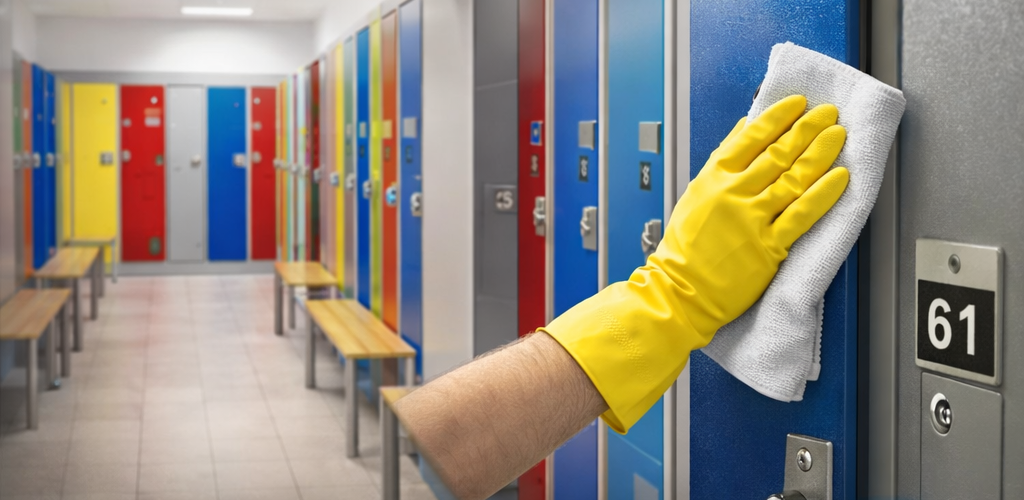
Regular locker cleaning helps maintain hygiene, appearance and the long-term condition of locker installations in schools, workplaces, gyms, leisure centres, factories, warehouses and changing rooms.
Lockers are touched frequently and may contain coats, footwear, workwear, sports clothing, towels, PPE, bags and personal belongings. Without a sensible cleaning routine, dust, dirt, moisture, abandoned items and odours can gradually build up inside and around the installation.
This guide explains how to keep locker areas clean, hygienic and easy to maintain, including locker interiors, doors, handles, locks, floors, benches, ventilation, wet environments, shared-use lockers and routine inspections.
For replacement locks, hinges, doors and other components, see our Locker Parts, Repairs & Servicing UK guide. For current products, browse our commercial locker range.
Quick Locker Cleaning Checklist
- Remove rubbish and abandoned belongings.
- Wipe locker doors and exposed surfaces.
- Clean handles, locks and high-touch areas.
- Clean locker interiors when they are empty.
- Check ventilation slots and perforations.
- Clean floors around and beneath accessible locker areas.
- Include benches, hooks and nearby fittings.
- Check for moisture, odours or standing water.
- Look for damaged locks, hinges and doors while cleaning.
- Report developing faults before they become larger repairs.
The easiest locker area to keep clean is one that was designed with cleaning access, suitable materials and realistic user behaviour in mind from the beginning.
Why Locker Hygiene Matters
Locker areas are often busy shared environments. Doors, handles and locks may be touched many times each day, while the compartments themselves can hold clothing, footwear and equipment for long periods.
A good cleaning routine can help:
- maintain a cleaner and more professional appearance;
- reduce the build-up of dirt and stale odours;
- support hygiene in shared facilities;
- make damage easier to identify;
- reduce avoidable deterioration;
- improve user confidence;
- and make locker areas easier to manage.
Cleaning Frequency
There is no single cleaning interval suitable for every locker installation. Frequency should reflect how heavily the lockers are used, what is stored inside them and the surrounding environment.
| Environment | Typical consideration |
|---|---|
| Office | Routine surface cleaning and periodic internal cleaning |
| School | High daily use, abandoned items and end-of-term clean-outs |
| Gym | Frequent handling, sports kit, moisture and high turnover |
| Swimming pool | Water, humidity and frequent cleaning |
| Factory | Dirt, workwear, PPE and concentrated shift use |
| Healthcare | Regular staff turnover and strong hygiene expectations |
High-use shared lockers normally need more frequent attention than lightly used assigned lockers.
Cleaning Locker Exteriors
Locker doors and end panels collect fingerprints, dust, scuffs and general dirt during normal use.
- Use cleaning products suitable for the actual locker material and finish.
- Wipe around handles and locks carefully.
- Remove marks before they become difficult to clean.
- Avoid unnecessarily abrasive products.
- Do not allow excess liquid to enter electronic locks or mechanical lock openings.
- Check number plates and labels while cleaning.
Always follow the locker manufacturer’s cleaning guidance where specific products or finishes require particular treatment.
Cleaning Inside Lockers
Locker interiors can accumulate dust, paper, food packaging, forgotten clothing and other debris, particularly where users keep the same compartment for long periods.
- Confirm that the locker can be emptied in accordance with the site’s normal procedures.
- Remove loose rubbish and abandoned items.
- Wipe internal surfaces using a suitable cleaning product.
- Clean shelves, hooks and internal fittings.
- Check ventilation openings.
- Inspect the lock, hinges and door.
- Allow the compartment to dry appropriately before returning it to use.
Schools may find holidays or end-of-term periods useful for larger locker clear-outs. Workplaces may use scheduled maintenance periods or staff-leaver procedures.
High-Touch Areas
The most frequently handled parts of a locker may need greater cleaning attention than the cabinet body.
- handles;
- keyways;
- combination dials;
- keypads;
- RFID reader areas;
- door edges;
- pull handles;
- and frequently touched locker numbers or labels.
Cleaning Different Locker Materials
| Material | Cleaning consideration |
|---|---|
| Powder-coated steel | Avoid damaging the painted finish with inappropriate abrasive products |
| Laminate | Use cleaning products suitable for the surface and edge construction |
| Plastic | Generally easy to wipe clean, but use products compatible with the material |
| Wire mesh | Clean the mesh, frame and surrounding floor where dirt can accumulate |
The correct cleaning method depends on the specific manufacturer’s material and finish, so product guidance should take priority over generic cleaning advice.
Managing Locker Odours
Locker odours are commonly associated with worn clothing, footwear, towels, damp workwear and belongings left inside for extended periods.
To reduce persistent odours:
- clean interiors regularly;
- remove abandoned items;
- encourage users not to leave wet clothing indefinitely;
- keep ventilation openings clear;
- maintain adequate room ventilation;
- select suitable locker materials for the environment;
- and investigate persistent moisture problems.
For the dedicated subject, see our Locker Ventilation UK guide.
Locker Ventilation and Cleaning
Ventilation and cleaning support each other. Cleaning removes dirt and contamination, while airflow can help reduce the stagnant conditions that allow dampness and odours to linger.
- Keep ventilation slots clear.
- Remove dust from perforated doors.
- Avoid covering vents with labels.
- Do not pack compartments so tightly that air movement is completely obstructed.
- Check room-level ventilation where humidity remains high.
Wet and Humid Locker Areas
Swimming pools, gyms, showers and wet changing rooms require particular attention because water and humidity are normal parts of the environment.
- Do not allow standing water to remain around locker bases.
- Keep drainage routes clear.
- Clean and dry surfaces appropriately.
- Check locks and hinges for signs of corrosion or deterioration.
- Use locker materials intended for the environment.
- Maintain suitable room ventilation.
- Include benches and floors within the same cleaning routine.
For the wider layout, see our Wet & Dry Changing Room Design UK guide.
Cleaning Locker Floors and Surrounding Areas
A locker bank can be clean while the surrounding space remains dirty. Dust and rubbish commonly accumulate:
- beneath benches;
- along locker run ends;
- around feet and plinths;
- in corners;
- against walls;
- and beneath projecting locker doors.
Cleaning access should therefore be considered during the original locker-room layout. Extremely tight gaps can become permanent dirt traps.
Changing Room Benches and Hygiene
Benches form part of the same user environment and should not be excluded from the cleaning plan.
- clean seating surfaces;
- wipe hooks and rails;
- clean beneath benches;
- check shoe trays and shelves;
- remove abandoned belongings;
- and inspect bench frames and fixings.
Browse our changing room bench seating or see our Changing Room Benches UK guide.
Shared-Use Locker Cleaning
Shared lockers may be used by several different people over a relatively short period. They benefit from clear rules about when belongings must be removed and how lockers return to clean, available status.
- Define when lockers should be emptied.
- Provide a procedure for abandoned belongings.
- Clean interiors periodically.
- Check that public-use locks reset correctly.
- Keep locker numbers easy to read.
- Monitor persistent odours or contamination.
Assigned Locker Cleaning
Assigned lockers may contain belongings for months or years, so internal cleaning can easily be overlooked.
Consider periodic opportunities for users to:
- remove unwanted items;
- clean the compartment;
- report lock or hinge problems;
- replace damaged labels;
- and confirm the locker is still required.
Cleaning School Lockers
School locker areas experience concentrated periods of use and can quickly accumulate bags, paper, sports kit and forgotten belongings.
- Maintain clear locker numbers.
- Schedule periodic clean-outs.
- Remove abandoned items under the school’s normal policy.
- Check damaged doors and locks.
- Clean high-touch surfaces.
- Keep ventilation openings clear.
- Include surrounding corridors and floors.
Cleaning Workplace Lockers
Workplace lockers can contain personal clothing, footwear, uniforms and PPE. The cleaning plan should reflect whether lockers are permanently assigned, shift-based or shared.
- Clarify who is responsible for emptying lockers.
- Include staff-leaver clean-outs.
- Keep locker numbering and allocation records accurate.
- Check workwear lockers for moisture and odours.
- Inspect locks and hinges during routine cleaning.
Cleaning Gym and Leisure Lockers
Gyms and leisure centres normally combine high user turnover with sports clothing, footwear and towels.
- Clean high-touch surfaces regularly.
- Monitor locker interiors.
- Keep public-use locks functioning reliably.
- Remove abandoned belongings.
- Maintain ventilation.
- Check wet-area products for deterioration.
- Include benches and floors in the same cleaning programme.
Cleaning Industrial and PPE Lockers
Factories, warehouses and industrial facilities can expose lockers to dirt, dust, boots, workwear and PPE.
These sites may need:
- more frequent floor cleaning;
- routine removal of dirt around locker bases;
- inspection of heavy-use locks;
- checks for damaged hinges;
- clean/dirty clothing separation;
- and suitable handling of wet or contaminated workwear.
Use Cleaning to Identify Developing Locker Faults
Routine cleaning provides a useful opportunity to spot small problems before they become disruptive failures.
- stiff locks;
- loose lock bodies;
- damaged keys;
- missing number plates;
- loose hinges;
- doors rubbing on frames;
- bent cams;
- damaged handles;
- corrosion;
- cracked laminate or plastic;
- and electronic locks showing low-battery warnings.
Cleaning staff do not necessarily need to repair these faults, but a simple reporting system can prevent them being ignored.
When Cleaning Becomes Repair or Servicing
Cleaning and routine inspection should remain separate from technical repair work.
Escalate the problem when you find:
- failed locks;
- broken hinges;
- distorted doors;
- damaged frames;
- failed coin mechanisms;
- electronic-lock faults;
- significant corrosion;
- or damaged locker components.
For those issues, use our Locker Parts, Repairs & Servicing UK guide.
Locker Numbering and Labels
Clear locker identification makes cleaning, inspections and repairs easier because staff can accurately report the affected compartment.
- Replace missing numbers.
- Remove obsolete labels.
- Keep name inserts current.
- Check engraved plates remain readable.
- Use consistent numbering across locker banks.
User Rules Can Reduce Cleaning Problems
Simple expectations can prevent locker areas becoming unnecessarily difficult to maintain.
- Keep bags inside lockers rather than in aisles.
- Do not leave loose clothing on benches.
- Remove food waste.
- Report spills or water problems.
- Remove wet kit where required.
- Report damaged locks or doors.
- Empty shared lockers at the end of use.
Common Locker Cleaning Mistakes
- Cleaning only the visible door fronts.
- Ignoring locker interiors.
- Using inappropriate chemicals.
- Allowing ventilation openings to become blocked.
- Ignoring moisture problems.
- Leaving rubbish beneath benches.
- Failing to clean floors around locker bases.
- Waiting until the area already looks neglected.
- Ignoring small lock or hinge problems noticed during cleaning.
- Treating wet and dry changing rooms identically.
- Allowing abandoned belongings to accumulate.
- Using cleaning as a substitute for technical repair.
Locker Cleaning and Maintenance Checklist
- Locker doors clean?
- Handles and locks clean?
- Locker interiors checked?
- Abandoned items removed appropriately?
- Ventilation openings clear?
- Floors accessible and clean?
- Bench surfaces clean?
- No standing water?
- No persistent odours?
- Locker numbers readable?
- Locks operating correctly?
- Hinges secure?
- Doors aligned?
- No significant corrosion or damage?
- Technical faults reported for repair?
Related Locker Care Guides
- Locker Parts, Repairs & Servicing UK – technical repair and replacement components.
- Locker Ventilation UK – airflow, moisture and odour.
- Locker Lifespan UK – lifecycle and long-term ownership.
- Wet & Dry Changing Room Design UK – moisture, drainage and wet-area planning.
- Changing Room Benches UK – seating materials and cleaning considerations.
- Locker Parts – replacement components.
Locker Cleaning FAQs
How often should lockers be cleaned?
Cleaning frequency depends on the environment, level of use and stored items. High-turnover gyms, schools and wet changing areas generally require more frequent attention than lightly used office lockers.
How should the inside of a locker be cleaned?
Empty the compartment in accordance with site procedures, remove loose debris and wipe internal surfaces with a cleaning product suitable for the locker material. Clean shelves and fittings and allow the compartment to dry appropriately before reuse.
How do you stop lockers smelling?
Regular interior cleaning, removal of abandoned belongings, good ventilation, appropriate room airflow and sensible handling of damp clothing and footwear can all help reduce locker odours.
Can locker ventilation replace cleaning?
No. Ventilation can help reduce stagnant air and trapped moisture, but lockers still require suitable cleaning and routine inspection.
Should shared lockers be cleaned more often?
Shared lockers can require more frequent cleaning because different people use the same compartments. The appropriate interval depends on user turnover, environment and site hygiene procedures.
Should locker locks be checked during cleaning?
Yes. Routine cleaning is a useful opportunity to identify stiff locks, loose lock bodies, damaged hinges, misaligned doors and other developing faults so they can be reported for repair.
Are wet-area lockers cleaned differently?
Wet areas require additional attention to moisture, drainage, humidity, corrosion and drying. The locker materials and cleaning products should also be suitable for the environment.
Keep Locker Areas Clean, Dry and Easy to Inspect
Good locker care is mainly the result of regular small actions rather than occasional major cleaning. Keep surfaces and floors clean, remove abandoned belongings, manage moisture, maintain ventilation and use routine cleaning as an opportunity to spot developing faults.
Where cleaning identifies damaged locks, hinges, doors or other components, move the issue into a proper repair or servicing process rather than allowing the fault to remain in use.
For replacement parts and technical servicing, see our Locker Parts, Repairs & Servicing UK guide, or call 01284 749211 or email sales@totallocker.co.uk.
Discover more from Blog Total Locker Service
Subscribe to get the latest posts sent to your email.