Blog Total Locker Service

Blog storage solutions

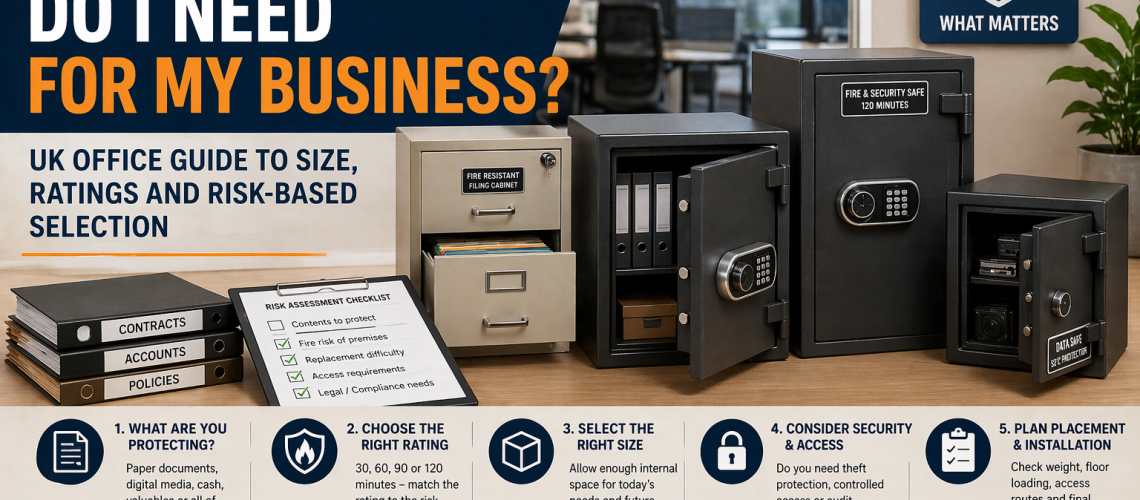
What Fire Safe Do I Need for My Business? UK Office Guide to Size, Ratings and Risk-Based Selection

Fire safe selection guide showing different safe sizes, fire ratings (30–120 minutes), and business storage needs including documents, data media, and valuables in an office setting.

Choosing the right fire safe for your business depends on what you need to protect, how much space you need, how often staff need access and whether the contents require fire protection, theft protection or data media protection.
Data Safes vs Fire Safes UK: Media Temperature Limits and Digital Storage Protection Guide

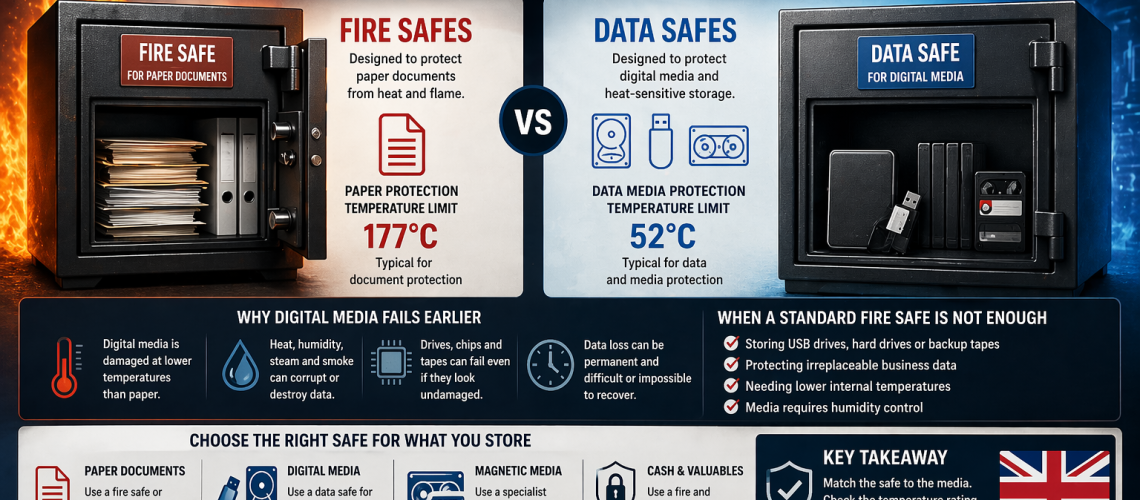
Data safe vs fire safe comparison showing paper documents, USB drives, hard drives and media safe temperature limits.

Data safes and fire safes are not always the same thing. A standard fire safe may protect paper documents during a fire, but digital media can fail at much lower temperatures. If you store USB drives, hard drives, backup tapes or other media, you need to check whether the safe is rated for data protection, not just document protection.


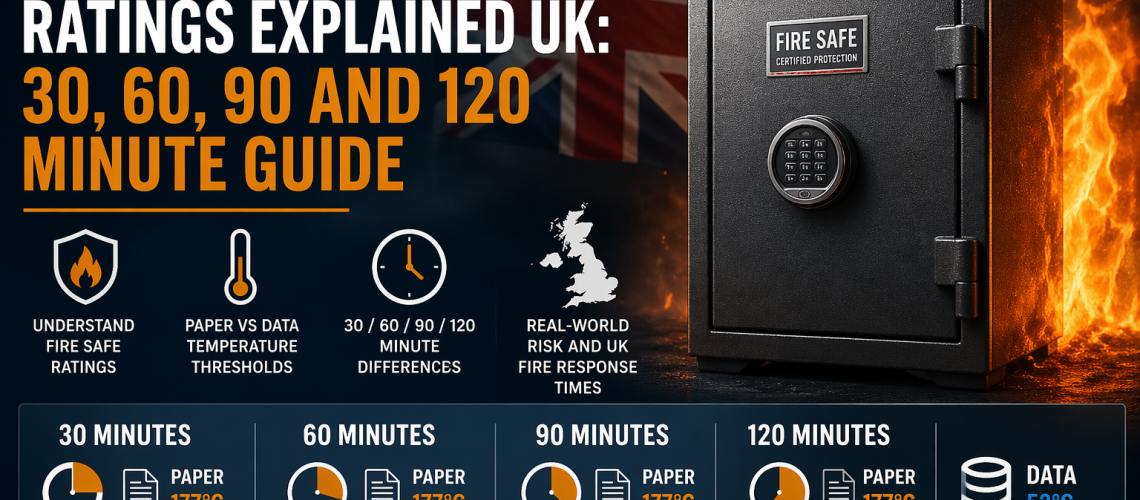
Fire Safe Ratings Explained UK: 30, 60, 90 and 120 Minute Guide

Infographic of UK fire safe ratings showing 30–120 minute protection, paper at 177°C and data at 52°C, with a fireproof safe against flames.

Fire safe ratings show how long a safe or cabinet is designed to protect its contents during a fire. For UK businesses, the right rating depends on what you store, where the safe is installed and whether you need protection for paper documents, digital media, cash or valuables.


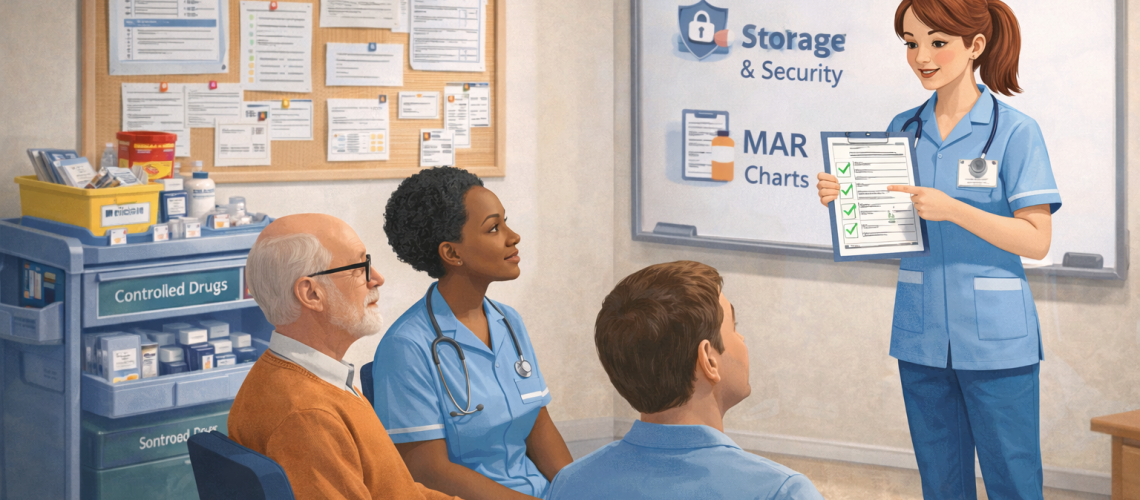
How to Assess Competency in Care Home Medicines Administration

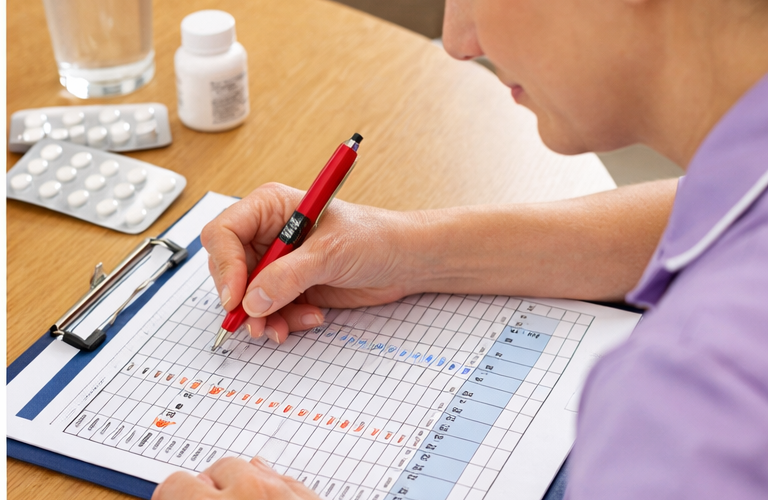
Care home staff training session on safe medicines handling with MAR charts, medicines storage and administration procedures

Medicines administration in a care home should never depend on assumption. A staff member may seem confident, move quickly and know the routine well, yet still make repeated errors in storage, administration or record keeping. Competency assessment helps care homes test whether staff can handle medicines safely in real practice, not just whether they have attended training.

This matters because medicines administration involves more than handing over tablets. Staff nee


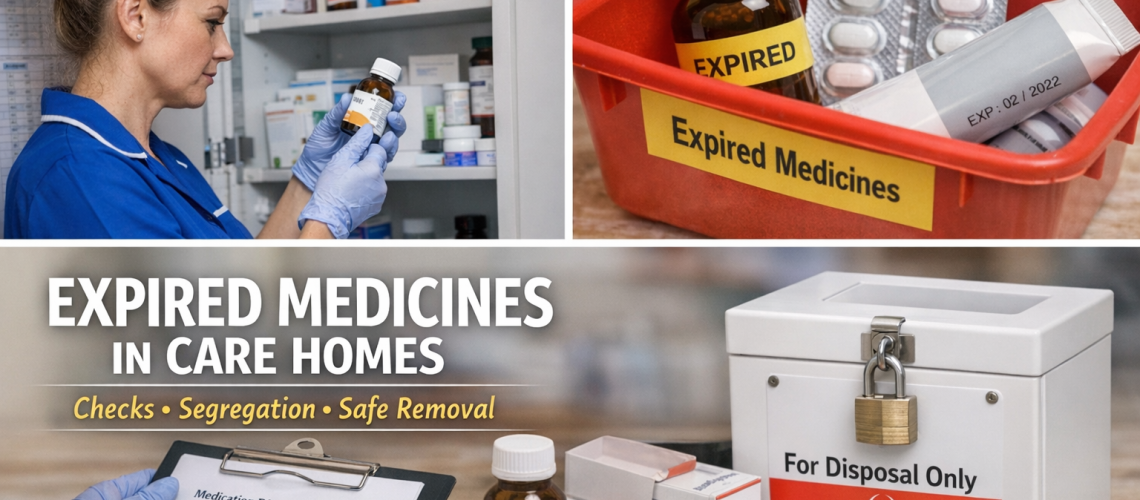
Expired Medicines in Care Homes: Checks, Segregation and Safe Removal

Expired medicines in a care homes

Expired medicines can create risk even when they remain sealed, labelled and apparently untouched. In a care home, it is not enough to assume that an item is safe simply because it is still sitting in the medicines cupboard or fridge. Once a medicine passes its expiry date, or reaches its in-use limit after opening where that applies, it should no longer remain mixed in with active stock.


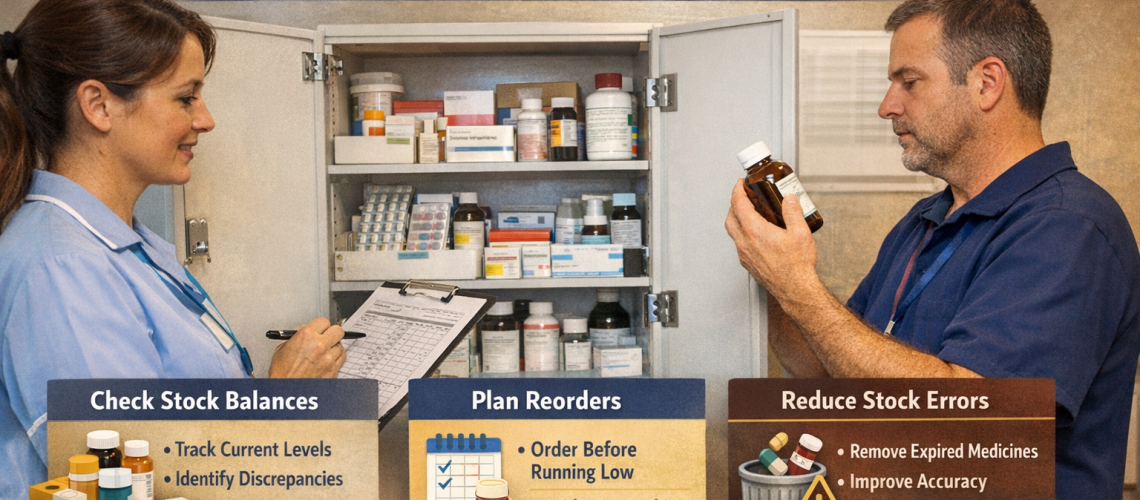
Stock Control for Care Home Medicines: Balances, Reordering and Reducing Errors

Stock control of drugs in a care home

Stock control is one of the quiet systems that keeps medicines management stable in a care home. When it works properly, staff know what stock is held, what is running low, what has been used, what needs reordering and what no longer belongs in active storage. When it works badly, homes can run into missed doses, duplicated orders, expired stock, unnecessary waste and avoidable confusion between shifts.


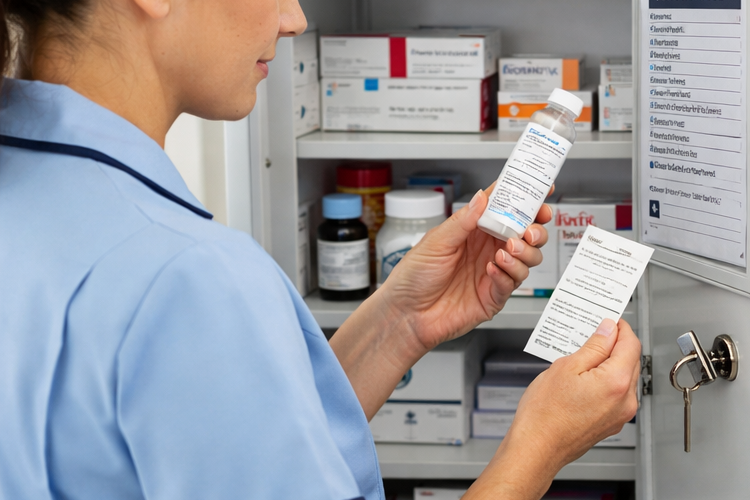
Medication Fridges in Care Homes: Safe Storage, Temperature Control and Access Management

Temperature controlled drug storage

It may be tempting to use a standard kitchen-style fridge, especially in a smaller setting, but medicine storage requires tighter control than food storage. A medication fridge should support more consistent temperature monitoring and reduce the risk of accidental misuse.


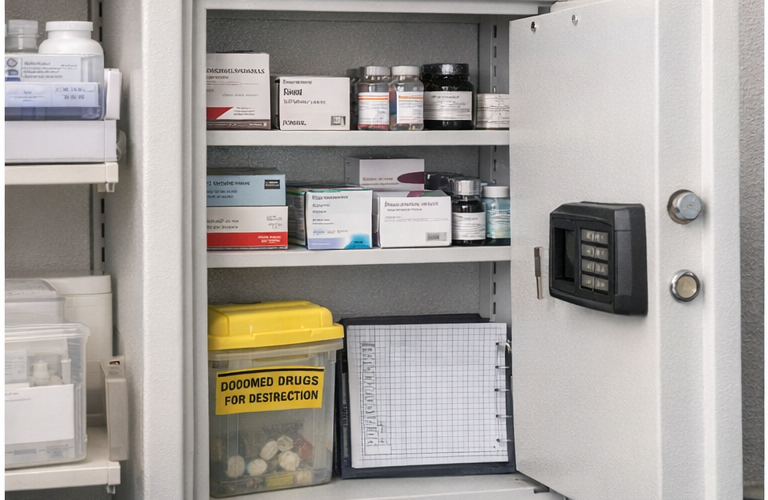
Controlled Drugs in Care Homes: Storage, Record Keeping and Key Control

Locked controlled drugs cabinet in a care home medicines room

Controlled drugs need a higher level of control than most other medicines. In a care home, that means more than simply locking a cupboard. Staff need a clear system for storage, access, recording, stock checks, discrepancies and disposal. When those processes are weak, the risk is not only theft or diversion. It is also missed doses, inaccurate balances, poor handovers and avoidable harm to residents.


PRN Medicines in Care Homes: Protocols, Recording and Safe Storage

Care worker recording PRN medication on a MAR chart in a care home Internal link opportunities

PRN medicines are medicines given when required rather than at fixed times. In care homes, they are commonly used for pain relief, constipation, nausea, anxiety, skin conditions and other symptoms that do not always need regular treatment. While PRN medicines can improve comfort and quality of life, they also need careful control. If instructions are vague, records are incomplete or storage is poorly organised, the risk of error rises quickly.


Fire Safe Buying Guide UK: How to Choose the Right Protection (2026)

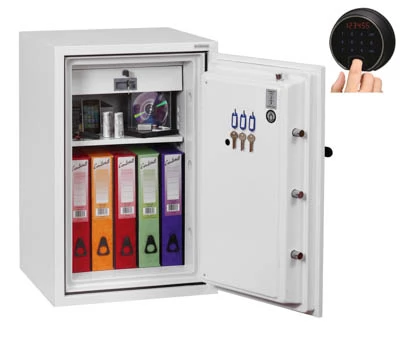
Fire safe

Choosing the right fire safe in the UK requires understanding fire resistance ratings, certification standards, installation requirements and insurance expectations. Not all safes provide the same level of protection, and selecting the wrong specification can leave documents, cash or valuables exposed.