Coin Lockers Installed Edinburgh National Galleries
January 1, 2020
Total Locker Service worked with the National Galleries in Edinburgh to improve visitor baggage storage by replacing an attendant-controlled system with self-service coin-operated lockers. The project had to make better use of the existing space, accommodate different types of bags and clothing, and blend with the appearance of the galleries.
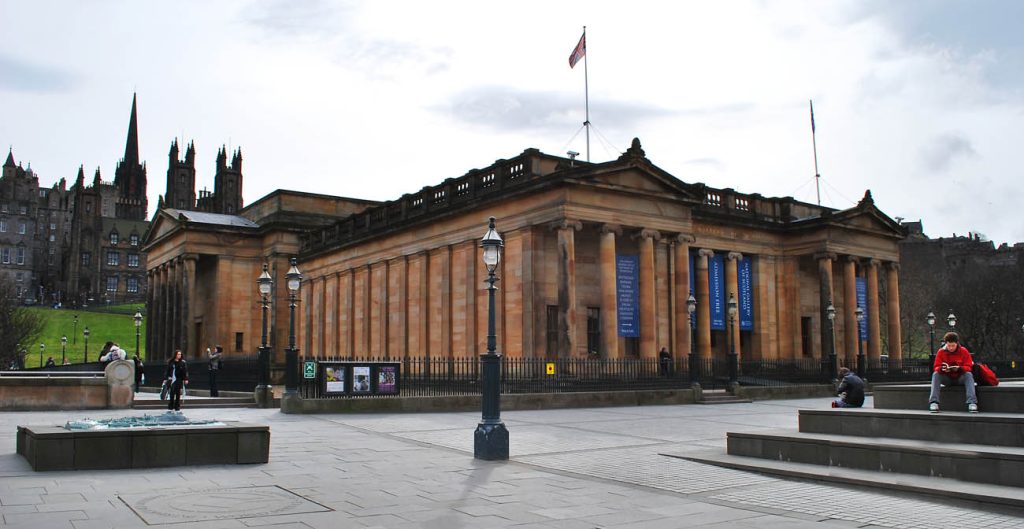
The visitor storage problem
The galleries wanted to improve customer convenience while retaining control of operating costs. Their existing luggage and bag storage system was managed by attendants in two separate areas.
The objective was to move to a visitor-controlled locker system that would be simple to use, fit within the existing storage areas and remain appropriate for a public gallery environment.
- Visitors needed storage for handbags, rucksacks, small cases, umbrellas and raincoats.
- The new lockers had to fit around existing architectural and storage features.
- Different compartment sizes were required.
- The locking system needed to be straightforward for visitors.
- The finished installation needed to look appropriate within the gallery.
- Disruption during installation had to be kept to a minimum.
Site survey and existing storage
Because the project involved adapting two existing storage areas, Total Locker Service arranged a site visit to understand the available space and how the galleries wanted the areas to operate.
In the main baggage area, a number of substantial existing coat-storage units were already in place. These included umbrella racks and were considered worth retaining. The challenge was therefore to integrate the new lockers into the existing units rather than remove them.
During the survey, we found that the umbrella racks could be removed and that most of the storage units were a consistent size. This created the opportunity to manufacture and position lockers so they fitted inside the existing furniture.
The second area was more straightforward. Most of the previous storage units could be removed, although one remaining unit needed to be visually matched by the new installation.
Visitor locker requirements
The gallery team wanted a self-service locker system using a £1 coin-operated lock, together with a mixture of locker sizes so visitors could store different types of belongings.
The project therefore needed to balance three things: capacity, ease of use and appearance.
Proposed locker solution
For the main baggage area, we proposed reinforced metal lockers with £1 coin-return locks. The locker dimensions were selected to fit within the existing storage units, allowing the galleries to retain their original furniture while converting the space to self-service storage.
A mixture of compartment configurations was used, from single-door through to multi-door lockers. This allowed the available space to be used efficiently while providing different compartment sizes for coats, bags and smaller personal items.
The aim was for the lockers to look integrated into the original storage system rather than appear as an unrelated addition.
Laminate door lockers for the second area
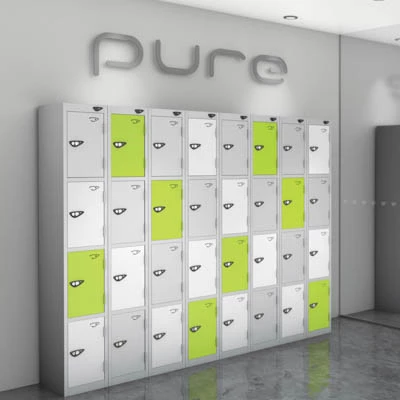
The second storage area required a more presentation-focused solution, so we proposed lockers with laminate doors.
The lockers were mounted on a laminate-faced plinth with a matching top infill panel. The overall installation height was designed to align with the remaining original storage unit so the new and existing furniture sat comfortably together.
These lockers were also fitted with £1 coin-return locks, giving visitors the same basic operating method in both areas.
Installation in two phases
After the proposal had been refined and approved, the locker installation was completed in two phases to reduce disruption to the galleries.
This phased approach allowed the storage areas to be upgraded while keeping the impact on normal gallery operations as low as practical.
From attendant-controlled to self-service lockers
| Existing arrangement | New arrangement |
|---|---|
| Attendant-controlled baggage storage | Visitor-controlled coin lockers |
| Existing cupboards and coat-storage units | Lockers integrated into retained furniture where practical |
| Limited standardised storage | Mixed compartment sizes for bags, coats and smaller items |
| Two different storage areas | Solutions tailored to each area |
| Need to maintain the gallery environment | Metal lockers in one area and laminate-door lockers in the more visible area |
Long-term locker use and conversion
The lockers remained in service for a number of years. The locking arrangement was later reviewed again, with conversion work planned to change the lockers from coin-return to coin-collect operation.
To minimise disruption, this type of conversion work can be scheduled outside normal public opening periods where required.
Further Edinburgh gallery locker projects
Following the initial installation, Total Locker Service supplied additional locker systems to other gallery sites in Edinburgh, with each specification selected around the building, users and operating requirement.
- Royal Scottish Academy: reinforced metal lockers with £1 coin-return locks.
- Dean Gallery: mild-steel staff lockers together with laminate-door leisure lockers for visitor use.
- Modern Art Gallery: mild-steel lockers for staff and laminate-door coin-operated lockers for visitors.
What this project demonstrates
The Edinburgh gallery project is a good example of why public visitor storage should be planned around the existing building rather than selecting lockers in isolation.
- Existing furniture can sometimes be retained and adapted around new lockers.
- A mixture of compartment sizes can improve storage flexibility.
- Different areas of the same building may need different locker finishes.
- Coin-operated locks can support self-service visitor storage.
- Plinths, infill panels and matching heights can help new lockers integrate with existing interiors.
- Phased installation can reduce disruption in public buildings.
Planning public visitor lockers
Visitor locker projects for galleries, museums, leisure facilities and other public buildings need to consider more than locker capacity alone.
- What will visitors need to store?
- How many users may need storage at the same time?
- Should the lockers be free-use, coin-return, coin-collect or another access type?
- Can existing storage furniture be retained?
- Are several compartment sizes required?
- Does the locker finish need to match the building interior?
- How will installation affect normal public access?
- How will the locks be serviced and maintained over time?
For broader access-method selection, see our Leisure Locker Access Systems UK guide. For commercial locker options, browse our locker range.
Edinburgh National Gallery Locker Project FAQs
Why did the galleries move to self-service lockers?
The galleries wanted to improve visitor convenience and reduce dependence on an attendant-controlled baggage-storage system while making better use of the existing space.
What type of locks were used?
The original visitor locker installation used £1 coin-return locks so visitors could operate the lockers themselves.
Were the existing cupboards removed?
Not in the main baggage area. The existing storage units were retained where practical, and lockers were sized to fit within them after removable umbrella racks were taken out.
Why were different locker types used in the two areas?
The first area prioritised efficient use of the existing cupboards, while the second required a more presentation-focused solution, so laminate-door lockers with matching plinth and infill panels were used.
Can visitor lockers be installed around existing furniture?
Sometimes. A site survey can determine whether existing cupboards, plinths or storage units can be retained and whether lockers can be manufactured or configured to fit the available space.
Summary: Edinburgh gallery visitor locker project
The Edinburgh gallery project replaced an attendant-controlled baggage-storage arrangement with self-service visitor lockers while retaining and adapting existing storage furniture where possible.
By combining reinforced metal lockers, laminate-door lockers, mixed compartment sizes and £1 coin-operated locks, the project created a more flexible visitor-storage system that fitted the available space and respected the appearance of the galleries.
Discover more from Blog Total Locker Service
Subscribe to get the latest posts sent to your email.
[…] Brilliant types of school lockers that is available. […]
[…] Lockers perfect for compartmental storage. […]
[…] lockers, the cost of exposure to the new £1 coin. In 2017 the new £1 coin will be released and it is […]
[…] Top 4 Security Concerns For Lockers […]
[…] The perfect Bowling Club Locker […]
[…] Changing room lockers at Kerry Foods […]
[…] System 1900 garment lockers […]
[…] Hot desking storage solutions […]