Blog Total Locker Service

Blog storage solutions

Common Locker Buying Mistakes (And How to Avoid Them)

Industrial lockers

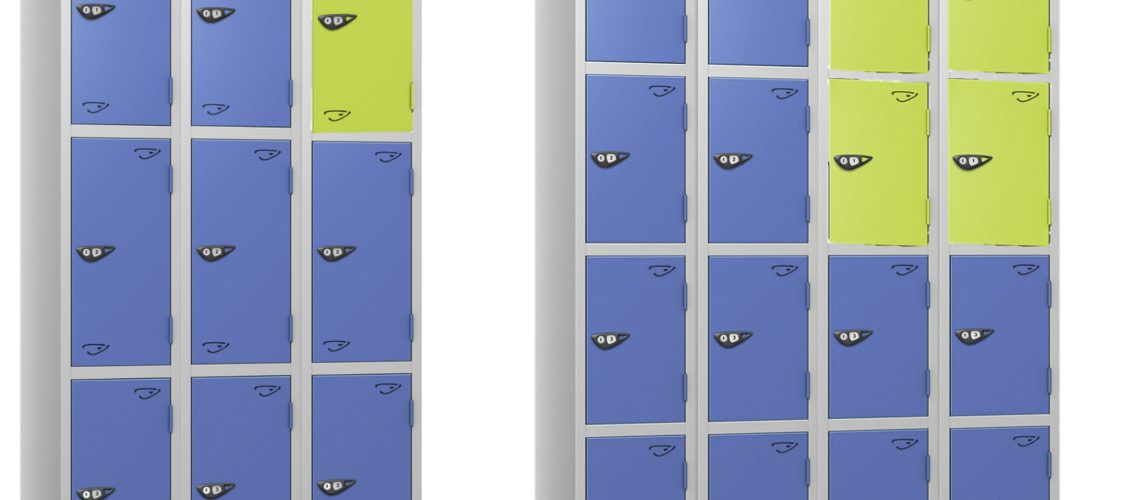
Buying lockers may appear straightforward. However, many organisations discover problems only after installation. Poor durability, lock failures, corrosion and congestion issues often stem from specification errors made at the procurement stage. This guide explains the most common mistakes made when Read more…

Smart Lockers UK: Systems, Costs and Investment Guide

Smart locker finger print reader

Smart lockers in the UK are no longer experimental technology. In 2026, they are increasingly specified in hybrid workplaces, universities and commercial environments. However, the key question remains: are smart lockers worth the investment?

While traditional cam and digital combination locks remain common, smart locker systems offer centralised control, access tracking and flexible allocation. This article examines RFID, keypad and app-based systems, hybrid working impact, lifecycle


Locker Regulations UK: What Employers Must Provide

Heated lockers for workplaces drying wet workwear, PPE and cycling clothing

The Workplace (Health, Safety and Welfare) Regulations 1992 require employers to provide suitable and sufficient facilities for storing clothing where workers change into special workwear.


Industrial Lockers & PPE Storage: Compliance and Separation

lockers for industrial use

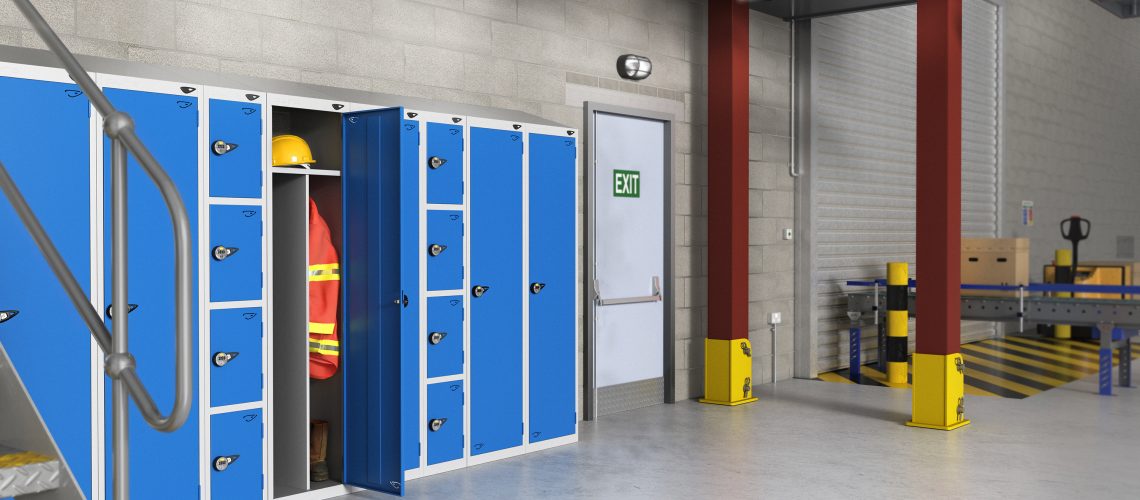
Industrial lockers are not simply storage units. In factories, warehouses and logistics centres, they form part of workplace compliance infrastructure. They support hygiene control, personal protective equipment (PPE) storage, and security in high-risk environments. Incorrect specification can create contamination risks, Read more…


How Long Do Lockers Last? Lifecycle & 10-Year Cost Analysis

Long life span lockers from Total Locker Service

Locker lifespan is one of the most overlooked factors in procurement decisions. Many organisations focus on upfront price rather than total lifecycle cost. However, lockers are long-term infrastructure assets. Choosing correctly can reduce replacement frequency, maintenance workload and capital expenditure over time.


Lockers for Wet Areas: What Actually Works Long-Term?

Plastic clocker

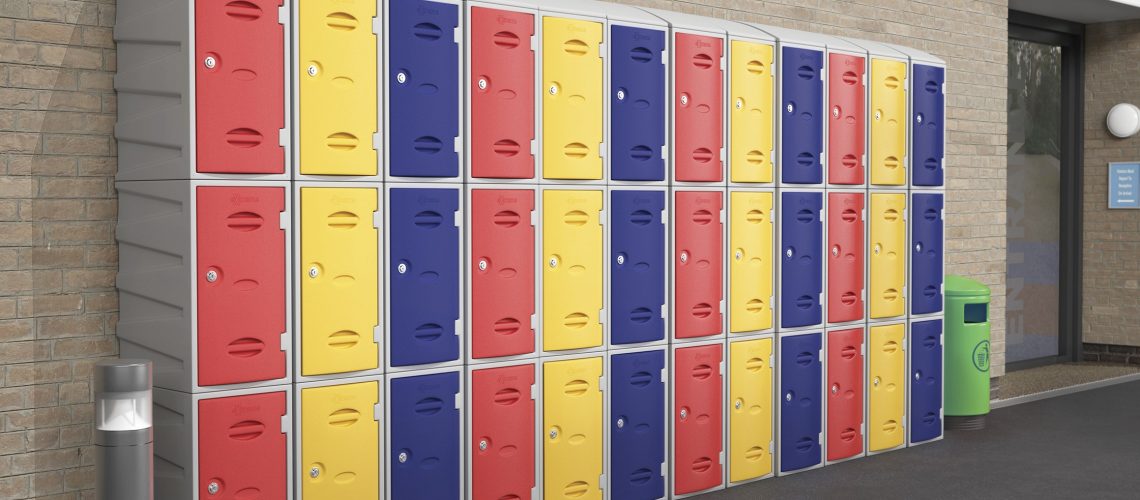
Wet area lockers operate in some of the harshest indoor conditions found in commercial buildings. Swimming pools, spas and leisure centres create constant humidity, condensation cycles and chemical exposure. Over time, these conditions test every component of a locker system. Read more…


Locker Locking Systems: Cam, Coin, Digital and Smart Compared

Locker locking systems

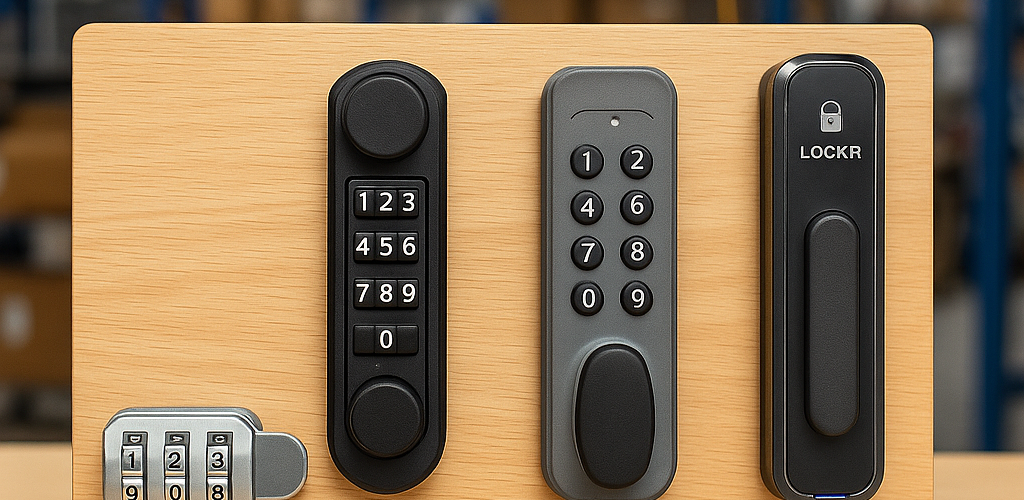
Locker locks determine security, administrative workload, and long-term operational costs. While the locker body provides structure, the locking system controls access and ongoing management burden. This guide compares cam locks, coin-operated locks, digital combination locks and smart locker systems. It Read more…


Lockers in the UK: Complete Guide to Types, Materials and Buying Advice (2026)

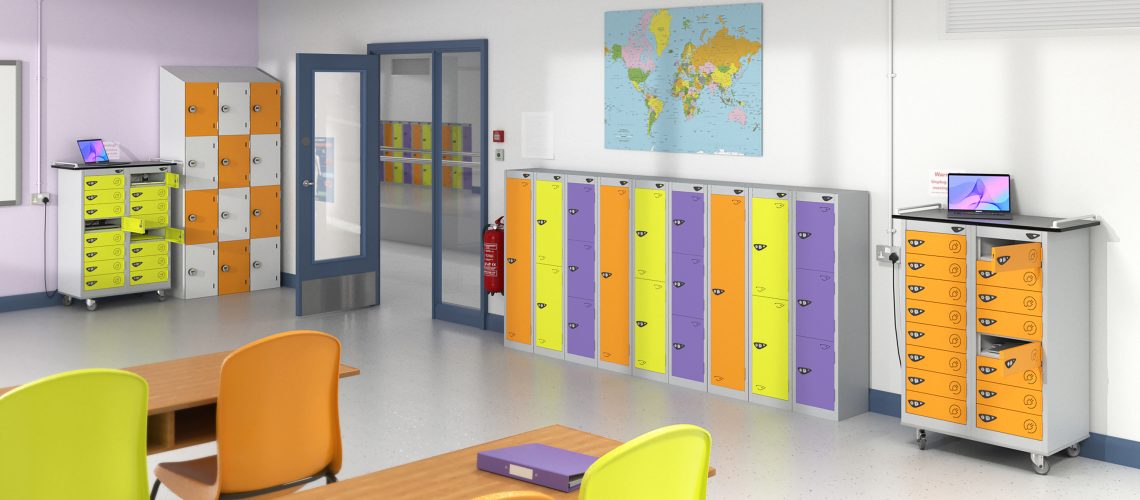
School lockers UK

Locker Types Comparison Table. This structured comparison helps you choose the correct lockers for your environment. It also strengthens search visibility for material and application queries.


Locker Security & Theft Prevention in Real Settings

Lockers designed for security. Synonyms

Locker security and theft prevention. Locker theft is a real issue in shared environments. It affects schools, gyms, workplaces and leisure facilities across the UK.

Locker security and theft prevention. However, theft is rarely caused by a single failure. Instead, it usually happens when layout, behaviour and security controls fail together.


Outdoor Lockers: Durable Storage for Schools, Gyms & Workplaces

outdoor waterproof lockers

Outdoor lockers offer immediate, secure storage exactly where users need it. Outdoor lockers solve different problems depending on the location. In schools, they help reduce corridor clutter by moving bags and kit outside. Gyms and pool facilities benefit by keeping wet clothing outdoors instead of bringing damp items into changing rooms. Workplaces also gain efficient storage for equipment or uniforms while preserving valuable indoor space.