Bowling club lockers
January 1, 2020
Cambridge Park Bowls Club approached Total Locker Service for replacement changing-room lockers. The existing timber lockers had served the club well, but a standard bowling-club locker would have been larger than necessary for the available rooms.
After discussing the club’s requirements, we carried out a site visit, measured both changing rooms and reviewed the access route. This allowed us to recommend a smaller compartment locker that would provide suitable storage while fitting the existing space and delivery constraints.
Selecting the right locker for Cambridge Park Bowls Club
The club’s previous lockers were relatively compact and had provided adequate storage. A larger standard bowling-club locker would therefore have reduced capacity unnecessarily and made the room harder to plan.
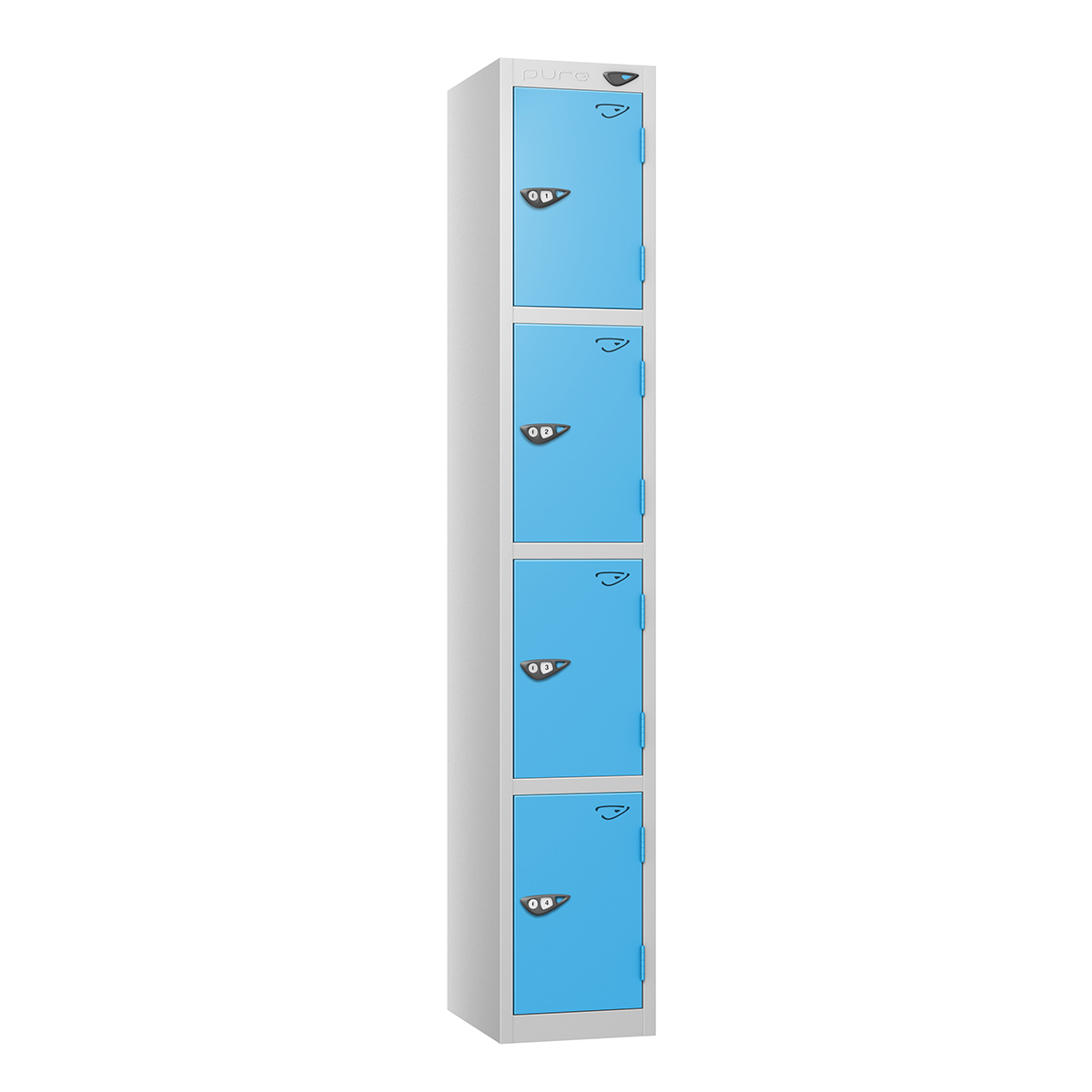
We recommended five-compartment lockers measuring approximately 1780 mm high × 300 mm wide × 380 mm deep. This provided slightly more space than the old timber lockers while keeping the overall footprint controlled.
Access and delivery constraints
The route into the changing rooms influenced the locker configuration. Larger factory-built nests would not pass comfortably through the available opening, so the lockers were specified in smaller nests that could be moved into position safely.
This is an important part of locker planning. A product may fit the finished room but still be unsuitable if it cannot be delivered through doors, corridors, stairs or other access restrictions.
For wider delivery and site-readiness planning, see our Locker Installation Planning UK guide.
Building the locker proposal
Once the locker size and room constraints were understood, we developed a layout and quotation designed to meet the club’s storage needs without overfilling the changing rooms.
The proposal also included several practical options:
- locker stands to raise the lockers from the floor;
- infill panels to help prevent rubbish collecting beneath the lockers;
- door numbering for easy identification;
- matching key fobs for members;
- a planned number sequence for each locker bank.
These details were agreed before production so the club could review the final layout, colours and numbering arrangement as one coordinated scheme.
Colour and numbering plan
After the proposal was accepted, the club selected its preferred locker colours. We then prepared a colour plan and locker-number sequence for approval before the installation was scheduled.
This step helps reduce mistakes during installation because the door colours, locker positions and numbering are agreed before the lockers arrive on site.
Locker installation at the bowls club
Our installation team arranged the delivery and installation date with the club and confirmed the planned work before attending site.
- the lockers were positioned on the specified stands;
- locker banks were secured in their final positions;
- door numbers were fitted;
- matching key fobs were prepared for member use;
- the completed installation was checked with the club representative.
After the final walk-through, any outstanding points were addressed, the club was provided with the relevant master-key arrangement and the installation was signed off.
Why the smaller locker format worked
This project shows why locker selection should start with the actual room and user requirement rather than a standard sector label.
| Project issue | Solution |
|---|---|
| Standard bowling-club lockers were larger than required | Selected a compact five-compartment locker |
| Existing rooms had limited space | Used narrower lockers to protect room capacity |
| Access route restricted large factory-built nests | Specified smaller nests for delivery |
| Cleaning beneath lockers was a concern | Used stands and infill panels |
| Member identification needed to be simple | Added door numbers and matching key fobs |
Planning lockers for sports clubs
Sports clubs often need a balance between storage capacity and limited changing-room space. The largest locker is not always the best option, particularly where users only need storage for clothing, shoes and personal items.
- measure the changing room before selecting the locker;
- check the delivery route and doorway dimensions;
- match compartment size to what members actually store;
- plan stands, plinths and cleaning access at the same time;
- agree numbering and key management before installation;
- avoid using a larger sector-specific locker when a smaller format works better.
For the wider project brief, use Locker Specification Planning UK. For room layout, use Locker Room Layout Planning UK.
Replacement locker keys
Total Locker Service also supplies replacement locker keys for many common lock systems. Where a club uses keyed lockers, recording the locker number and key reference makes future replacement much easier.
Bowling Club Locker Installation FAQs
Do sports clubs need specialist bowling-club lockers?
Not always. The correct locker should be chosen around the actual storage requirement, room size and access route. In this project, a smaller five-compartment locker was more suitable than a larger standard bowling-club locker.
Why were the lockers supplied in smaller nests?
The access route into the changing rooms restricted the size of factory-built locker nests that could be delivered. Smaller nests made installation practical without changing the final locker layout.
Why use locker stands and infill panels?
Locker stands raise the lockers from the floor, while infill panels can help prevent rubbish and loose items collecting underneath the locker bank.
Can locker numbering and key fobs be planned before installation?
Yes. Agreeing the numbering sequence and matching key references before installation makes the finished locker bank easier for members and staff to manage.
Summary: Cambridge Park Bowls Club lockers
The Cambridge Park Bowls Club project required a locker solution that was smaller than a typical bowling-club locker, easy to deliver through the existing building and simple for members to use.
By surveying the rooms first, selecting a compact five-compartment format, planning the locker nests around the access route and including stands, numbering and key fobs in the proposal, Total Locker Service was able to provide a coordinated replacement-locker installation suited to the club’s actual needs.
Discover more from Blog Total Locker Service
Subscribe to get the latest posts sent to your email.